
### Blog Post:
Vintage maximalism is transforming American homes, mixing bold personality with rich layers and one-of-a-kind finds to create rooms that spark conversation and feel truly lived-in. Whether you’re styling an open-plan living room, personalizing a small apartment, or reimagining a bedroom, vintage maximalism blends color, pattern, and heirloom-quality materials to ground your space with visual character that mass-produced décor just can’t replicate.
Key Takeaways
- Vintage maximalism centers on mixing timeworn, unique furniture with bold color and print, creating layered, authentic spaces that feel collected over time.
- Thrifted, handpainted pieces offer unmatched visual impact and styling flexibility, but sourcing high-quality finds and achieving cohesion can be challenging.
- Focus on proportion, material, and the story each object brings to your room for a space that’s both functional and deeply personal.
- What is Vintage Maximalism? Why Is It So Popular Right Now?
- How to Pull Off Vintage Maximalism: Step-by-Step Guide
- Advanced Analysis & Common Pitfalls
- Conclusion
- Frequently Asked Questions
What is Vintage Maximalism? Why Is It So Popular Right Now?
Vintage maximalism is a home décor movement that blends abundance, nostalgia, and creativity in everyday spaces. The look bridges the gap between high-drama interiors full of color, books, and bold textures, and the authentic feeling of rooms anchored by aged woods, artisan upholstery, and storied objects. Unlike minimalism, vintage maximalism invites you to surround yourself with what you love—even if it “clashes”—so long as it fits your proportions and feels cohesive to you.
In 2024, maximalist interior design peaked in popularity, with Google searches trending high for nearly two years. Vintage interiors saw even more growth, up nearly 14%, reflecting the hunger for one-off pieces and “well-loved” beauty. This trend isn’t just about overstuffing rooms: it’s a reaction to the sameness of fast furniture, offering US homeowners and renters a path to create uniquely personal, functional spaces.
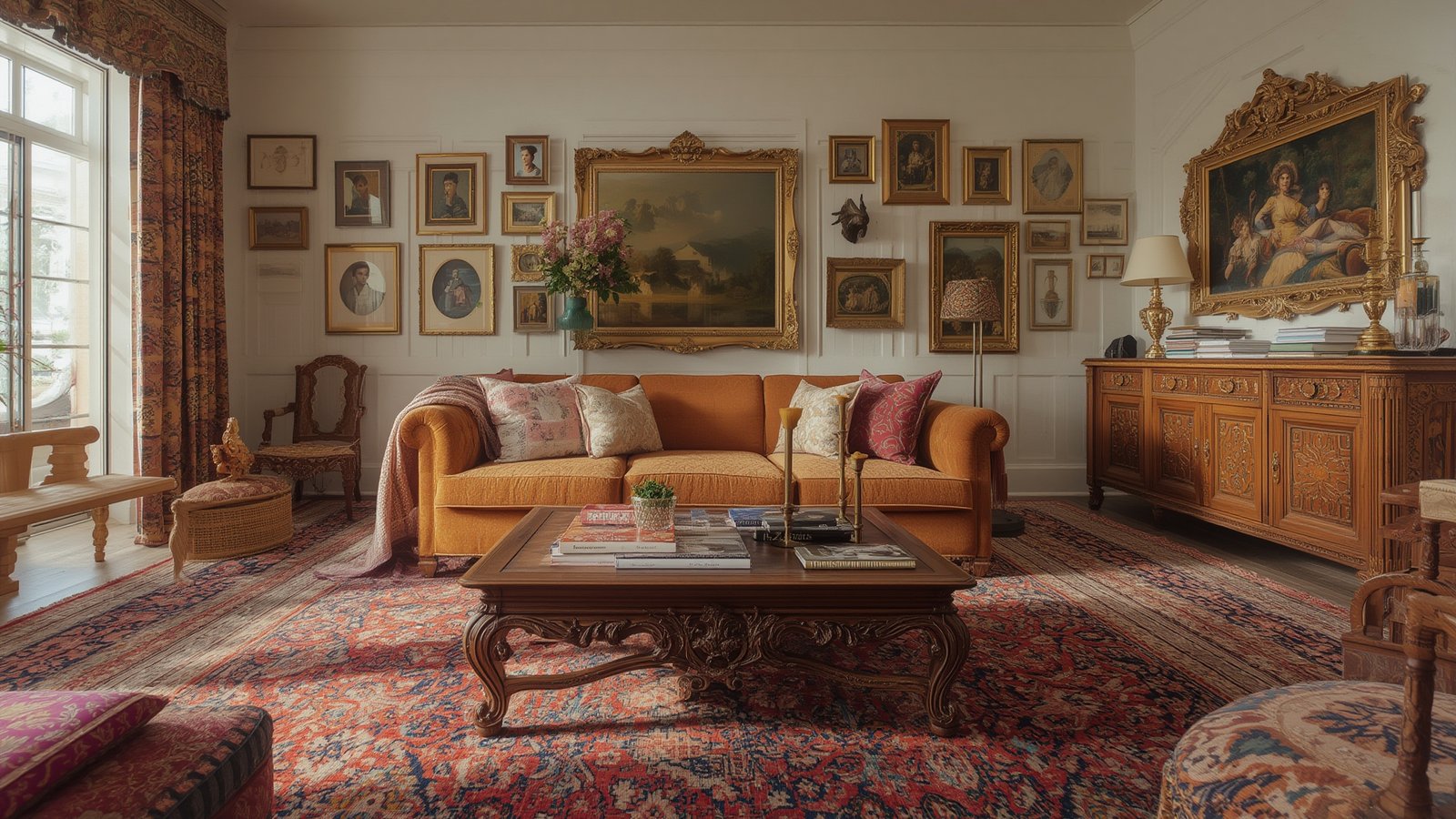
Vintage maximalism is especially well-suited for apartments, small bedrooms, and open-plan living rooms, where space may be tight but character can shine. By layering furniture with meaningful patina—like a velvet chaise, an art deco lamp, or a handpainted chest—you add instant depth and warmth, making even the barest rental feel inviting and lived-in. The key is styling flexibility: vintage maximalism lets you evolve your décor as life changes, swapping in thrifted finds or treasured family pieces for an always-interesting, upgraded look.
How to Pull Off Vintage Maximalism: Step-by-Step Guide
Ready to try vintage maximalism in your own space? These steps walk you through curating bold, livable rooms that merge function with dazzling personality—without losing comfort or balance.
-
Identify Your Core Pieces
Choose two to three larger furniture essentials with history, character, and solid construction—like a velvet sofa, turned-wood coffee table, or art deco dresser. For renters or small bedroom owners, seek out compact versions that still offer “wow” shape or patina. -
Mix Textures, Materials, and Eras
Layer smooth with worn, sleek with ornate: a mid-century chair with a vintage quilt or a glossy ceramic lamp atop a rustic trunk. Blending old and new prevents your home from feeling like a prop room and adds organic warmth, especially in open-plan living rooms. -
Add Vibrant, Unexpected Color
Maximalism celebrates jewel tones, deep greens, saturated pinks, and bold prints—whether in upholstery, wallpaper, or rugs. If your rental has neutral walls, use furniture and accessories to inject color for instant impact. -
Curate Accessories and Art
Stack books, layer vintage prints, and hang tapestries. Personal mementos, travel finds, and old books give the room narrative depth, anchoring maximalism in your real life. -
Balance with Negative Space
Cluster objects on one wall or a corner, leaving breathing room elsewhere. This technique makes maximalist décor feel intentional, not chaotic, and is especially useful in smaller spaces. -
Edit and Rotate
Vintage maximalism isn’t about cramming everything in forever. Swap pieces with the seasons or as tastes evolve, letting the room stay lively and fresh.
Remember: Everyday use matters. Upholstery should stand up to curling up with pets; painted surfaces need to resist scuffs. That’s why mixing in modern, durable elements—like a wood console table or storage coffee table—helps create a maximalist look that holds up.
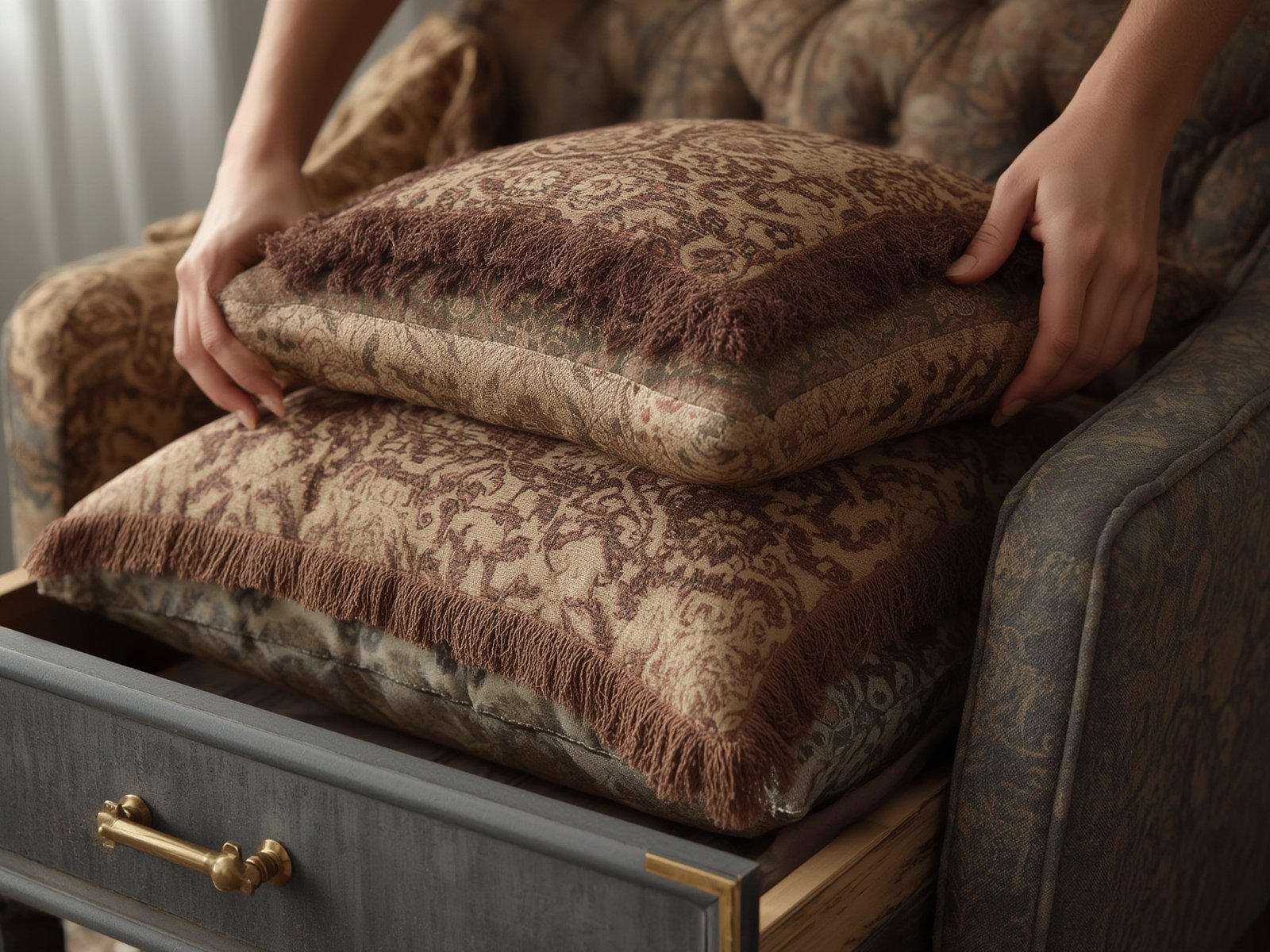
If you’re drawn to handpainted furniture, experiment with chalk paints, matte topcoats, or bold color-blocking to refresh tired finishes. While specific 2024 data on best paint types for furniture is lacking, using a primer and sealing with polyurethane or a hard wax can help your makeover last through daily wear. For DIYers wanting faster results or less risk, seek out high-quality pre-made handpainted pieces at local consignment shops, especially ones with visible brushstrokes and solid joinery.
For an added visual pop, try incorporating unique tiles as a surface accent. Our vintage tile sourcing guide has practical inspiration for anyone craving more pattern and color underfoot or on walls.
Last, don’t sweat perfection. Maximalism is personal. The richness comes from how each piece brings everyday joy and story to your lived-in space—no two homes will look the same.
Advanced Analysis & Common Pitfalls
Vintage maximalism looks effortless in magazines, but real homes—and real budgets—require some strategic planning. Here’s what you need to know before going all-in.
Common Pitfalls and How to Avoid Them
-
Challenge #1: Sourcing Quality Pieces
Many homeowners and DIY enthusiasts struggle to find vintage furniture with good bones. Thrift store gems are in rising demand and authentic finds (with that all-important patina) can be scarce, especially if you’re looking for statement lighting, curvy Biedermeier chairs, or pre-1920s antiques. Consider expanding your search to estate sales, local auctions, or verified online marketplaces. -
Challenge #2: Achieving Cohesion
With so many eras, materials, and colors at play, it’s easy for maximalist rooms to tip into clutter. Plan around one or two anchor pieces per room, then build out your palette with consistent undertones (like warm woods or jewel tones) to create unity. -
Challenge #3: Durability, Cost, and Real-Life Use
While designers praise vintage items for their authenticity and texture, not all thrifted items are built for daily use. Inspect joints, look for solid hardwoods, and be prepared for restoration costs. Investing in a few high-quality vintage or bespoke pieces usually outlasts buying multiple “fast fashion” furniture items. -
Challenge #4: Time Investment
Handpainting vintage furniture or reupholstering can be rewarding—but it’s rarely fast or cheap. There’s limited data on exact costs for 2024, but expect several days (or weekends) for preparation, painting, and drying, vs. the instant gratification of buying a pre-finished item. -
Challenge #5: Functionality
Maximalist spaces risk sacrificing function for flair. Make sure pieces—especially in spaces like the entryway or kitchen—actually serve your day-to-day, offering real storage or comfortable seating, not just visual drama. Multifunctional finds like a farmhouse storage bench or a rolling kitchen island can deliver both practicality and personality.
Comparison: DIY Handpainting vs. Buying Pre-Made One-of-a-Kind Furniture
| DIY Handpainting | Pre-Made Vintage/Artisan | |
|---|---|---|
| Upfront Cost | Lower (if you thrift basic pieces); cost rises with quality paints, tools | Higher (designer or rare pieces); can be investment-worthy |
| Time Required | Several hours to weekends (prep, paint, dry, touch up) | Immediate use (just delivery, minimal setup) |
| Uniqueness | One-of-a-kind, fully custom, personal | May be more rare or have historic value |
| Durability | Varies—depends on prep, materials, sealant | Generally high, especially mid-century and antique builds |
| Risk/Regret Factor | Possible beginner mistakes; restyling possible later | Fewer surprises, but limited ability to customize |
Coveted finds like vintage chaise lounges, art deco details, or printed linens are more sought-after every year—a reflection of Americans seeking identity and story in their homes (source). For more on choosing materials that last, review our guide to ladder bookshelves that offer display and storage in compact rooms.
Paint-wise, while techniques like limewash are trending for wall finishes, no single paint product dominates furniture restoration in 2024. The best results come from careful surface prep, compatible primers, and final sealing—whichever color or motif you choose. For renters worried about permanence, removable wallpaper or adhesive-backed tiles offer non-committal maximalism (get inspired by our unique tile design trends resource).
Conclusion
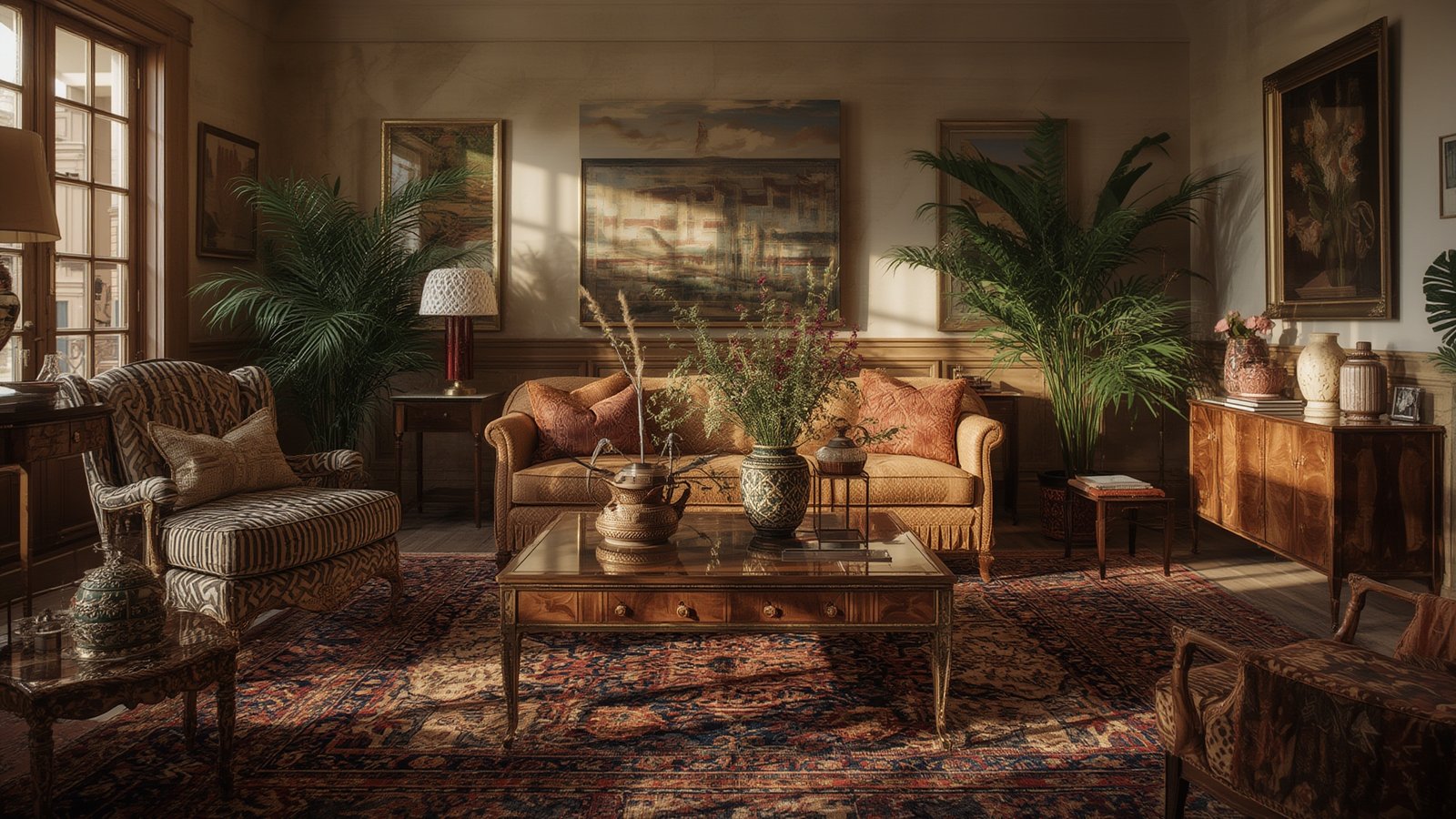
Vintage maximalism is more than a fleeting trend. It’s a blueprint for making your home as interesting, layered, and functional as real life. With a careful eye on proportion, a willingness to experiment, and the patience to find (or create) heirloom pieces, anyone can anchor a room that’s not only Instagram-worthy, but feels right every day. From apartments to family homes, the focus should always be on comfort, everyday use, and styling flexibility. Don’t be afraid to start small—vintage maximalism is best built over time. Ready to create a space that feels lived-in, storied, and utterly you? Start hunting for your next vintage treasure today, and let your space evolve as you do.
Frequently Asked Questions
What kinds of rooms work best for vintage maximalism?
Vintage maximalism thrives in living rooms, open-plan spaces, and bedrooms—especially where you want warmth and personality. Even small apartments can support maximalism by focusing on scale and editing around standout pieces.
Does maximalist décor make cleaning or organizing harder?
It can if you overdo clutter! Use storage furniture (like benches and console tables) and cluster smaller objects intentionally to keep surfaces tidy. Balance display with hidden storage to make upkeep easier.
How can I be sure thrifted or vintage furniture will last?
Check for hardwood frames, dovetail joints, and solid construction. Avoid pieces with excessive wobble or hidden damage. Sometimes it’s worth paying a bit more for professional restoration or a rare, investment-worthy item.
Is it possible to make vintage maximalism renter-friendly?
Yes—use freestanding pieces like vibrant rugs, shelving, or handpainted chests that don’t require wall mounting or major fixes. Adhesive tiles, removable wallpaper, and portable lighting also let you go maximalist without jeopardizing your deposit.
How do I avoid making my maximalist room look too chaotic?
Anchor your design around one or two main focal pieces. Stick to a general color family or undertone, and deliberately mix textures and eras. Edit regularly so every object has purpose; negative space is just as important as display surfaces.