

pet wipes have quickly become an essential item for many caring pet owners, offering a practical and reassuring way to keep your pet clean, comfortable, and your home a little fresher between baths. Whether you share your life with a muddy-pawed dog or a cat that gets into messes, choosing the right pet wipes comes down to trust, safety, and day-to-day comfort for both you and your pet.
Key Takeaways
- Pet wipes offer a convenient, safe option for routine pet cleaning—especially when bathing is not practical or needed.
- The market prioritizes hypoallergenic, natural, and eco-friendly wipes formulated for sensitive pets, with safety features and ease of use at the forefront.
- Always choose well-reviewed wipes, use them as intended, and inspect for potential skin sensitivities, as no clinical guarantees exist.
- Understanding Pet Wipes: What They Are and Why Use Them?
- How to Safely Use Pet Wipes: Step-by-Step Guide
- What to Watch For: Advanced Analysis and Common Pitfalls
- Conclusion
- Frequently Asked Questions
Understanding Pet Wipes: What They Are and Why Use Them?
Pet wipes are pre-moistened disposable cloths made specifically for cleaning dogs, cats, and other small animals. Unlike regular baby wipes, pet wipes use mild ingredients to ensure comfort on sensitive paws, fur, and even around faces. The core reason pet owners choose wipes is for quick cleanup, spot care after walks or litter box mishaps, and to reduce dander and odors in a gentle, calming way without a full-on bath, which many pets find stressful.
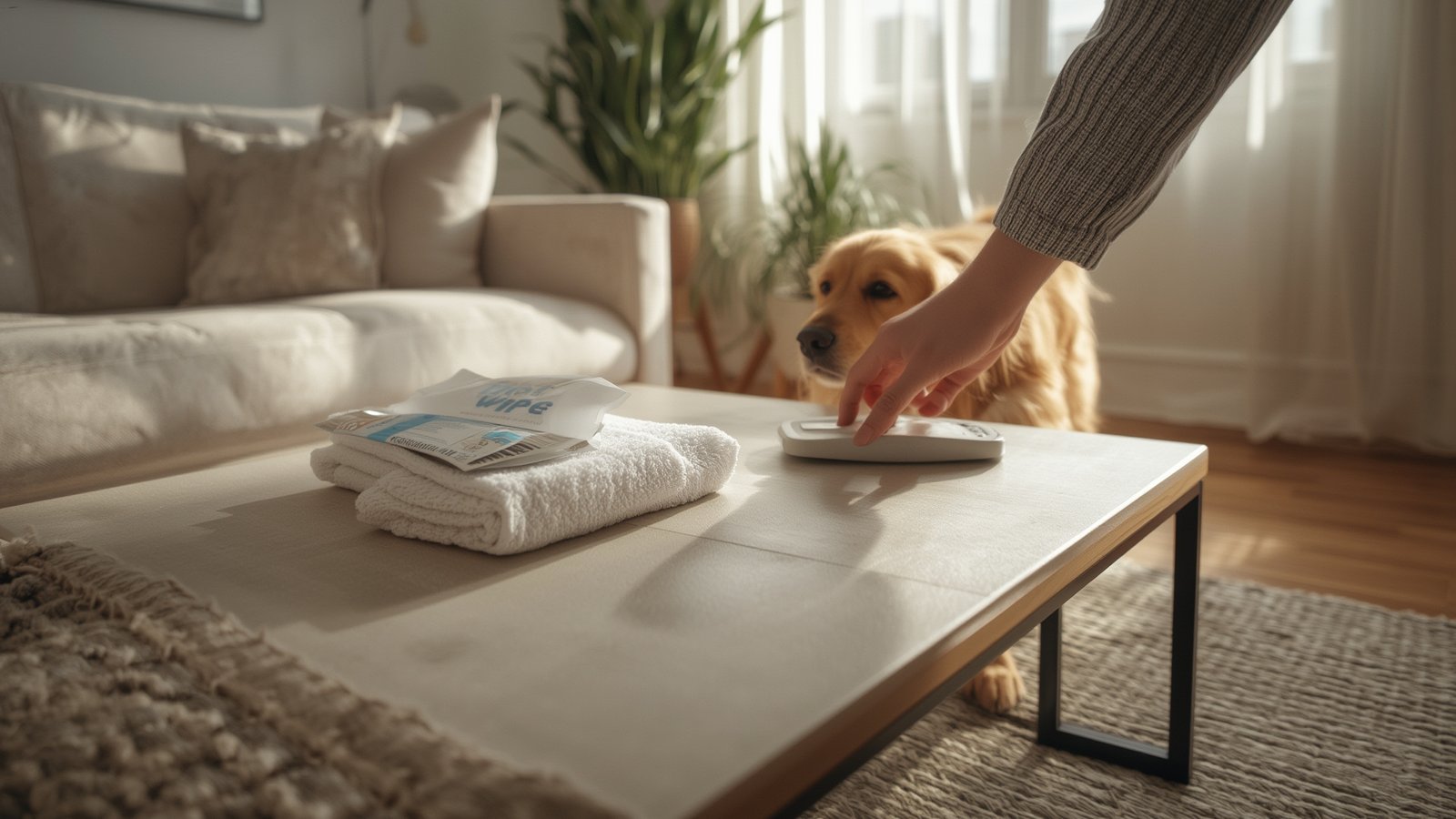
Recent market research confirms rapidly increasing demand for hypoallergenic, natural, antibacterial, and species-specific wipes. North America leads this market, but all regions are seeing growth thanks to rising pet ownership and a desire for cleaner, more comfortable homes—especially in apartments, rentals, or for indoor pets. Dog wipes lead overall, though cat wipes are gaining fast for their convenience with litter box users.
No wipe will replace a full bath for deep cleaning, but for minor muddy paws, everyday fur freshening, or prepping your pet before welcoming guests, the right wipe can make everyone’s day a little easier and more pleasant.
Safety-conscious owners will appreciate that leading brands focus on:
- Mild, soap-free, or hypoallergenic formulations
- Durable, tear-resistant material for strong chewers
- Fragrance-free or lightly scented options
- Convenient resealable packaging to prevent drying out
Comfort and enrichment are key—wipes should never aggravate stress, allergies, or cause panic, but instead support a gentle daily care routine. For further enrichment ideas, check out our guide on dog enrichment toys or explore ways to create safe outdoor spaces in our catio building guide.
How to Safely Use Pet Wipes: Step-by-Step Guide
Using pet wipes is straightforward, yet a little know-how ensures your pet stays comfortable and avoids unnecessary stress:
- Choose the Right Product: Select species-appropriate wipes—dog and cat wipes are not always interchangeable. Read the label for hypoallergenic, soap-free, and fragrance-free features if your pet is known to be sensitive.
- Test First: Gently wipe a small patch of fur and skin. Allow a few hours to check for any signs of irritation or discomfort—scratching, redness, or avoidance behaviors.
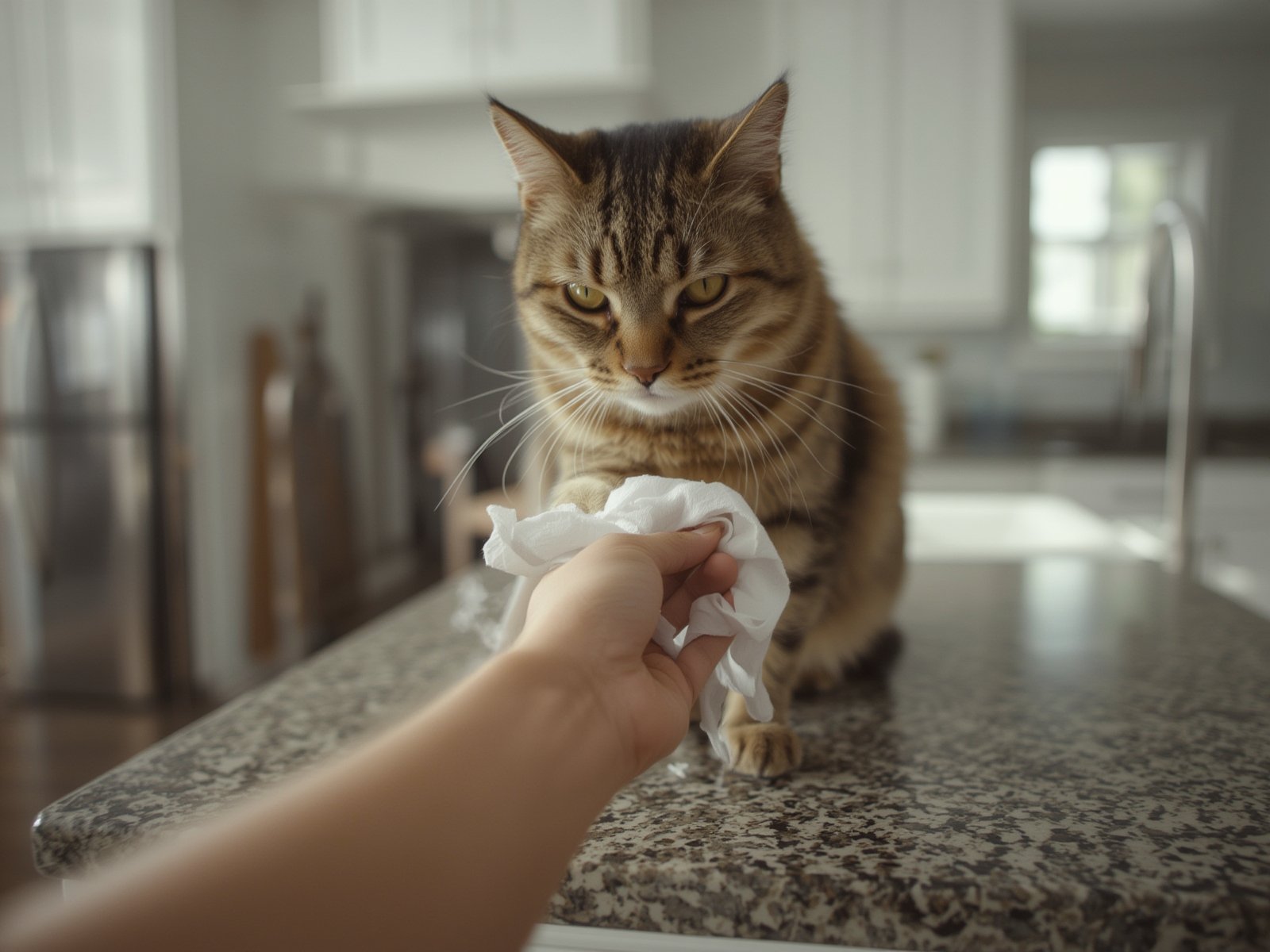
- Secure Your Pet: Most pets prefer calm handling. Let your dog sniff the wipe or reward your cat with a treat before and after use.
- Wipe Gently: Start with the paws, legs, and fur, using a fresh part of the wipe for the face. Avoid direct contact with sensitive eyes, ears, and inner mouth.
- Dispose Responsibly: Never flush pet wipes. Place them in a lidded trash bin, especially if your pet likes to dig for “treasures.”
Additional time-saving ideas:
- In multi-pet households, assign a wipe to each animal to reduce cross-transfer of scents and allergens.
- Keep a travel-sized pack in your cat carrier or dog walking bag for unexpected messes.
- Wipes can help reduce loose hair on furniture and clothing when used as part of a weekly grooming routine.
Always use wipes as directed for comfort and safety. For persistent dirt, odors, or any sign of skin distress, switch to traditional bathing or consult a vet for advice. And if you’re aiming for a more organized entryway, see our take on compact storage with the farmhouse storage bench.
What to Watch For: Advanced Analysis and Common Pitfalls
While pet wipes simplify cleaning, it’s important to approach them realistically and with care for your pet’s well-being. Major pitfalls and pain points include:
- Skin Sensitivity: No universal guarantee that any wipe will suit every pet—some may still show mild irritation. Fragrance, preservatives, or essential oils can bother sensitive skin.
- Ingredient Transparency: While many wipes claim to be hypoallergenic or all-natural, ingredient lists aren’t always fully disclosed. According to recent reports, chlorhexidine appears in some wipes but safety profiles can vary by use case and individual pet tolerance.
- Effectiveness for Deep Cleaning: Pet wipes aren’t designed for heavy fur matting or severe odors—only everyday maintenance. They’re great for muddy paws and spot cleaning, not full replacements for baths.
- Environmental Concerns: Not all wipes are biodegradable; some add to landfill waste, though eco-friendly options are growing in popularity (source).
- Cost and Convenience: The cost per wipe varies, and using many wipes daily can add up. There’s limited public pricing data on how wipes compare to bathing or full grooming in terms of cost, and no standardized measure of owner satisfaction after switching.
| Feature | Benefits | Potential Drawbacks |
|---|---|---|
| Hypoallergenic / Natural Ingredients | Gentle on most pets, good for routine use | May still cause reactions in highly sensitive pets |
| Durable, Tear-Resistant Material | Lasts longer during use, less risk of accidental tearing from claws or teeth | Non-biodegradable variants can add to waste |
| Species-Specific Formulation | Safer for intended pet (dog/cat) | Easy to confuse, so always check the label before use |
| Convenient Packaging | Keeps wipes moist, travel-friendly | Poor sealing leads to dried-out wipes—store flat, not upright |
Remember, the lack of direct clinical evidence or formal veterinary endorsements means owners should rely on labeled instructions, pay close attention to their pets’ individual responses, and seek medical advice only if concerning symptoms persist. For persistent odor or allergy issues in your home, you might also consider an air purifier as a complement to regular grooming.

Conclusion
Pet wipes provide a practical, empathetic solution for everyday cleaning, odor control, and a more comfortable life for your pet. The emphasis is always on safety, comfort, and ease, not a health guarantee. Be realistic—use them as a supplement to regular grooming, monitor your pet’s reactions, and choose products that are clear about their ingredients. As the pet care market continues to grow and innovate, pet wipes will remain the go-to tool for many modern, caring pet owners. If you haven’t yet tried pet wipes, start with a small pack from a trusted brand and add them to your daily routine for smoother, gentler pet care. Your floors, furniture, and furry friends will thank you.
Frequently Asked Questions
Are pet wipes safe for both cats and dogs?
Most reputable pet wipes are formulated for general safety, but always check the label for species-specific guidance. Cats and dogs have different sensitivities, so use wipes intended for each animal for best results.
Can I use baby wipes on my pet?
It’s best not to use baby wipes on pets. Baby wipes often contain fragrances, moisturizers, or chemicals that may bother a dog’s or cat’s skin. Pet wipes are designed with the unique sensitivities of animal skin and fur in mind.
What should I do if my pet reacts to a new wipe?
Stop using the wipe immediately and gently rinse the affected area with water. If redness, swelling, or itching persists, consult your veterinarian for further advice and switch to a different, hypoallergenic brand.
How do I dispose of pet wipes properly?
Always throw pet wipes in the trash—never flush them, even if labeled as flushable. Some eco-friendly options break down more quickly, but regular pet wipes can clog plumbing and harm the environment.
How often can I use pet wipes on my pet?
Frequency depends on your pet’s needs, skin type, and the wipe’s formulation. For most pets, daily to every-other-day use is safe if you monitor for irritation—but always follow package directions.