

Multi generational living is rapidly transforming the way many Americans approach home design, household budgets, and day-to-day life. As more families come together under one roof, understanding both the opportunities and unique challenges is essential if you’re considering this move, whether you own or rent.
Key Takeaways
- One in four US homeowners now live in multi generational households, with growth especially high among younger adults and minority populations.
- Designing for privacy, personal space, and accessibility is critical—ignore these at your own risk.
- Code, zoning, and permitting thresholds vary by city—always check local law before building or remodeling for multi generational living.
- What Is Multi Generational Living and Why Is It Growing?
- How To Successfully Transition Into Multi Generational Living: A Step-by-Step Guide
- Advanced Analysis & Common Pitfalls
- Conclusion: Should You Try Multi Generational Living?
- Frequently Asked Questions
What Is Multi Generational Living and Why Is It Growing?
Multi generational living refers to a household where more than two generations share a home. This can mean adult children living with parents, families housing their aging parents, or three generations (grandparents, parents, children) under one roof.
The trend is unmistakably rising. As of 2024, about 25% of US homeowners live in multi generational households, according to Good Housekeeping. By comparison, only 7% lived this way in 1971. Pew Research notes that as of 2021, nearly 60 million Americans lived multi generationally—and the number is still climbing, especially as housing costs outpace wages and young adults delay marriage. Three-generation households have seen a 271% jump in the last decade.
Cultural, demographic, and economic factors are behind the shift. The highest rates are found among Asian, Black, and Hispanic families, as well as among the foreign-born. Millennials and Gen Xers lead this movement—not just seniors. Major cities and Western states report above-average adoption, with tight real estate and rising rents fueling the phenomenon.
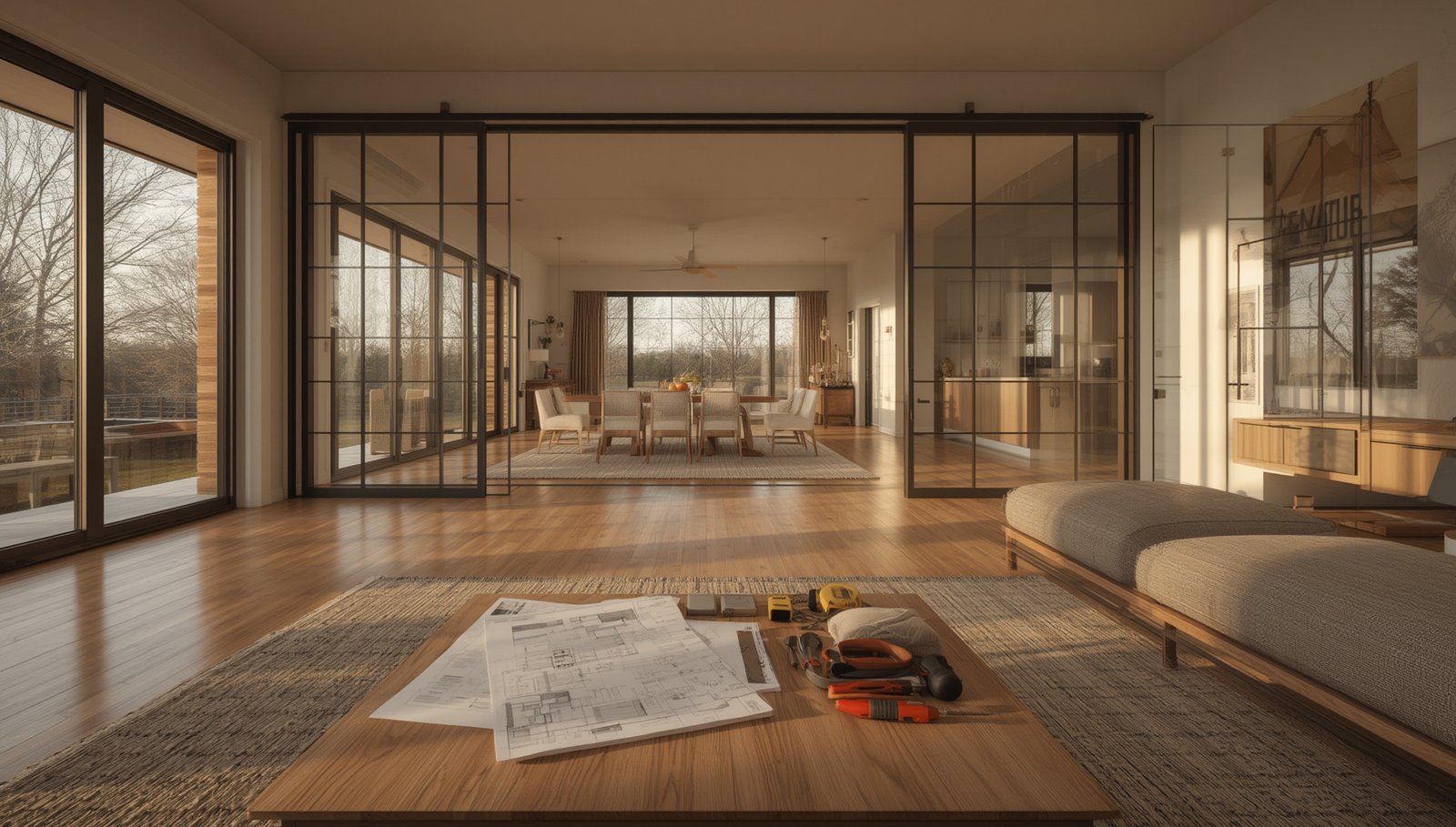
Globally, limited data exists, but in many parts of the world, multi generational living is a longstanding norm. In the US, however, its surge is closely linked to economic stressors—high home prices, job instability, and adult children returning home after college or job loss.
This living arrangement isn’t for everyone, but with the right planning, it can offer meaningful social, financial, and practical benefits.
How To Successfully Transition Into Multi Generational Living: A Step-by-Step Guide
This step-by-step guide is tailored for US homeowners and renters ready to make the leap. Skill level: Intermediate and above. Some steps are DIY-friendly; others may require professional help—especially concerning electrical, plumbing, or structural modifications.
-
1. Assess Needs Honestly:
- Map out who’s moving in, special mobility or privacy requirements, and daily habits (wake-up times, noise tolerance, bathing, cooking needs).
- Discuss expectations upfront—chores, expenses, boundaries. Difficult now, critical later.
-
2. Evaluate Your Space & Property Rules:
- Check local zoning codes: Many cities restrict garage, attic, basement conversions, or “in-law suites”—and nearly all require permits and inspections. For ADUs, see this guide on accessory dwelling units.
- HOA? Confirm allowed occupancy or improvement types.
-
3. Design for Privacy and Accessibility:
- Renter or DIYer? Use portable or lockable barriers, household noise dampeners (see acoustic panels guide), and separate entrances if possible.
- Building new or remodeling? Prioritize a bathroom on every floor, at least partial kitchen facilities, good lighting, slip-resistant floors, minimal thresholds, and wide doorways for aging relatives.
- For safety, invest in smart home security and fire escape solutions.
-
4. Budget Realistically—And Be Honest:
- Expect higher project costs than “standard” remodels, especially with new bathrooms, electric, or plumbing.
- DIYers: Minor upgrades (furniture, dividers) may run $500-2,000. Full conversions or detached ADUs typically exceed $100,000 and need a professional builder.
- Factor in insurance, permitting, inspection, and efficiency upgrades (see ventless washer dryer options for laundry retrofits).
-
5. Safety Considerations:
- Upgrade smoke/CO detectors, add fire extinguishers, and consider air quality solutions for homes with kids or seniors.
- Always shut off power at the breaker when tackling electric upgrades; don’t attempt gas or plumbing reroutes unless you’re qualified.
-
6. Trial Period—Then Tune:
- Start with a trial period—commit to revisiting boundaries and workflows after 30 or 60 days. Small adjustments can prevent bigger conflicts down the line.
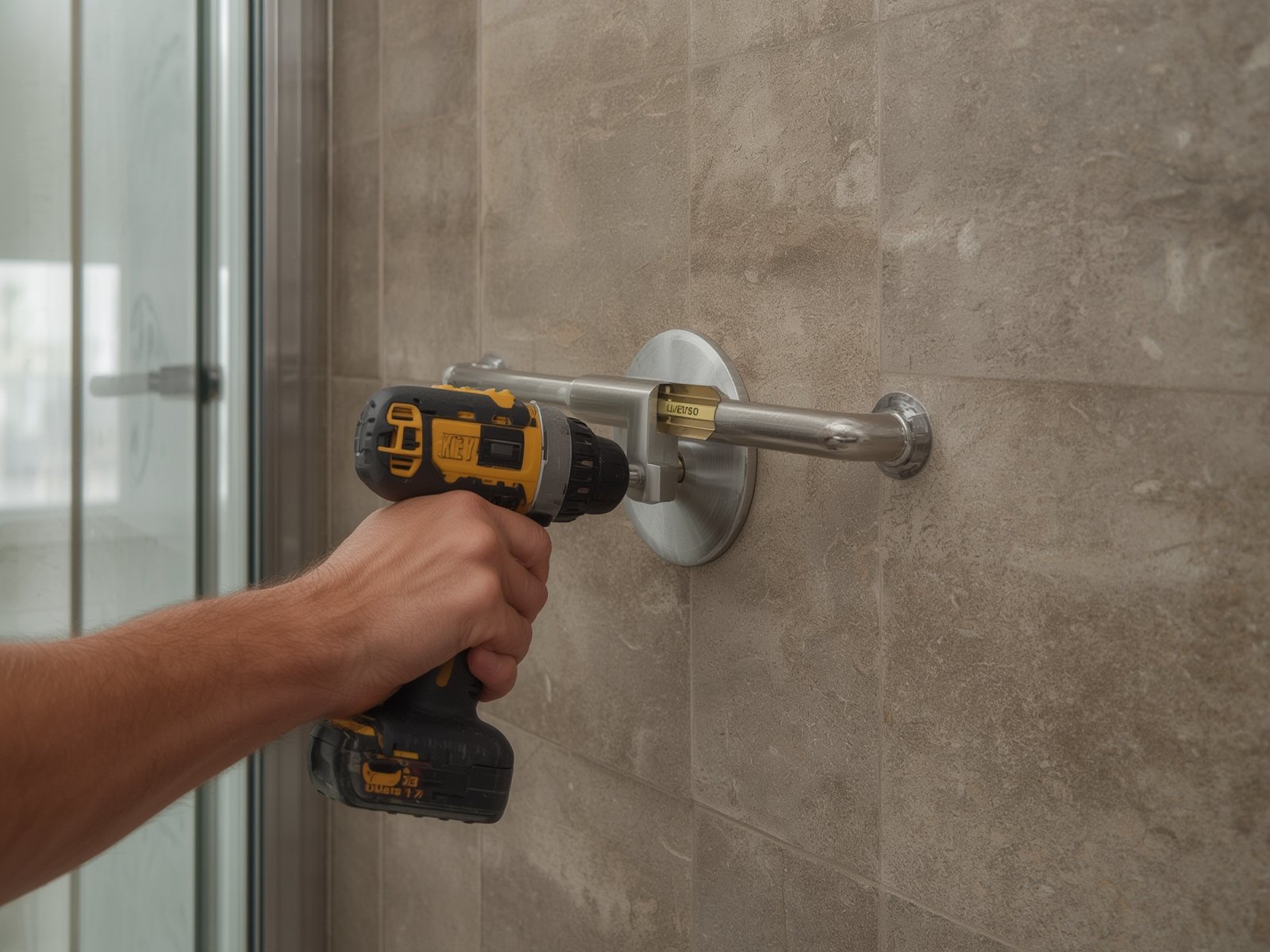
Safety, Time, and Skill Level Notes
- Beginner DIYers can safely manage furniture moves, room dividers, and minor fixture upgrades. Anything involving electrical, plumbing, or walls is intermediate to advanced—hire a professional if unsure.
- Expect basic non-permit changes to take a weekend. Permit-required jobs may take weeks or months, especially with backlogged city inspectors post-pandemic.
- Personal protective gear (gloves, eye and ear protection, N95 masks for dust) is mandatory for any hands-on modification.
Advanced Analysis & Common Pitfalls
Even with good intentions, multi generational living introduces challenges most Americans aren’t used to. Based on current trends and home improvement best practices:
- Privacy Shortfalls: Most conflicts stem from inadequate privacy zoning—think paper-thin walls, shared bathrooms, or kitchen bottlenecks at mealtimes. Sliding doors, separate laundry areas, and dual entrances are more valuable than “open concept” floor plans.
- Legal & Zoning Surprises: Many cities require permits for ADUs or converted living spaces. Unpermitted work can cause legal problems at resale or even trigger forced removal by the city. See this ADU construction guide for California specifics.
- Underestimating Costs: Budget overruns are common. Plumbing a new bathroom or kitchen, widening doorways, or adding accessibility features nearly always runs higher than expected. Insurance and property taxes may also rise.
- Stereotyping Needs: Not all seniors or adult children have the same needs. Physical accessibility, late bedtimes, medical equipment, and cultural or religious routines all change what “works best.”
- Adjustment Fatigue: Even close families can struggle in the first months. Noise, loss of independence, and disagreements on household routines require time and compromise from all ages.
| Pitfall | Impact | How To Avoid |
|---|---|---|
| Ignoring Zoning/Code | Legal/Financial trouble, forced removal | Always check local rules, seek permits |
| Skimping on Privacy | Family conflict, lost sleep | Use dividers, noise control, zone bathrooms |
| Underestimating Costs | Budget overrun, incomplete projects | Pad estimates by 15–30%; get multiple bids |
| Neglecting Accessibility | Mobility issues, injuries | Install grab bars, ramps, wide doors |
No matter how careful the plan, it’s smart to plan for friction—then address it with open communication and, when all else fails, outside mediation or counseling.
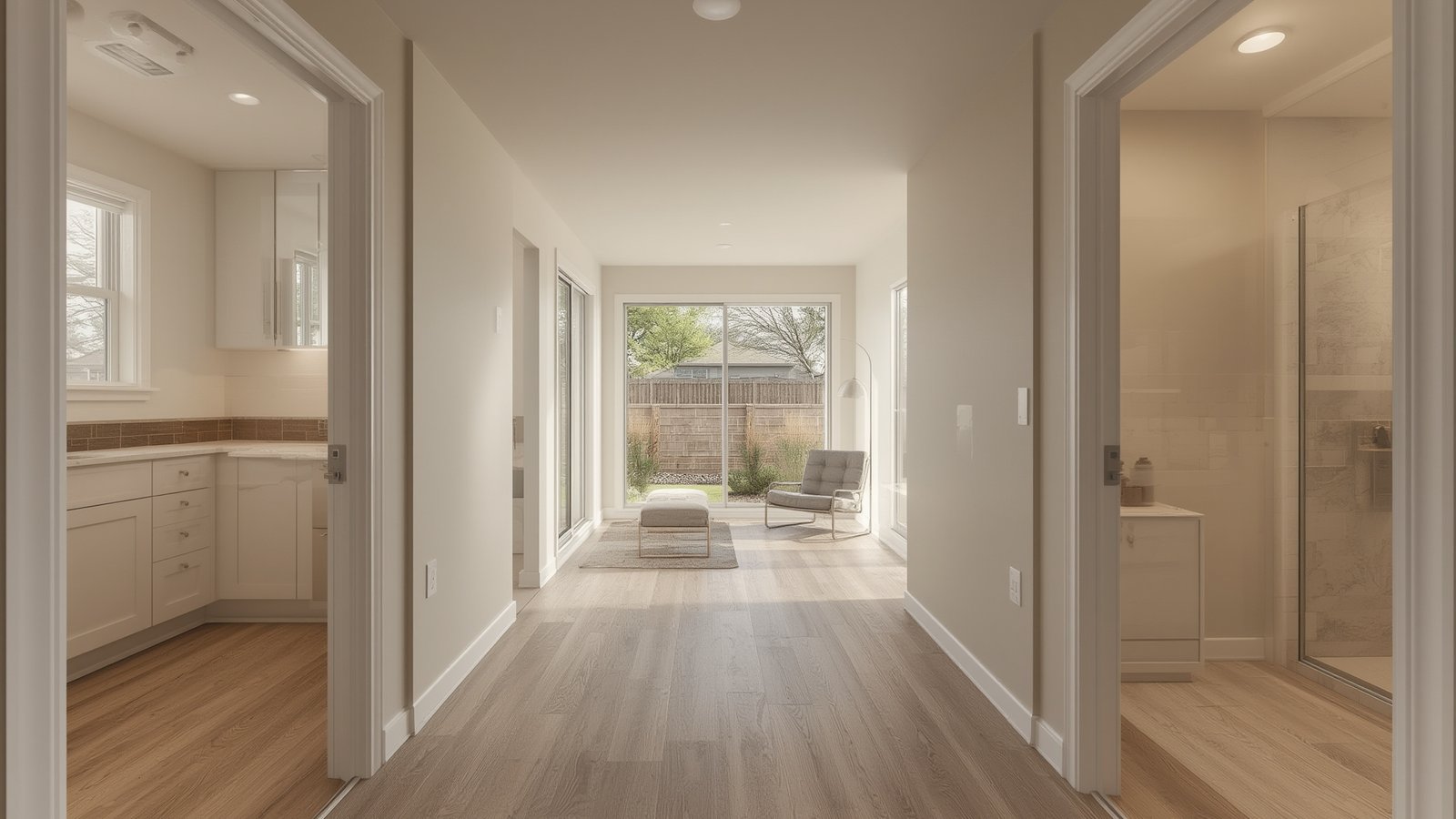
Conclusion: Should You Try Multi Generational Living?
The numbers don’t lie—multi generational living is on the rise for a reason. When approached with foresight, patience, and realistic investments in privacy and safety, it can help families share costs, support older generations, and build deeper connections. But it’s not a plug-and-play solution for everyone. Assess your home, budget, and family needs before you commit.
Ready to take the next step? Explore accessory dwelling unit options in our ADU cost breakdown or discover renter-friendly space tricks in our slim bookshelf review. If you need inspiration on privacy solutions, our fluted panels guide shows how renters and owners alike create peace and quiet—without a total overhaul.
- Best For: Intermediate DIYers with supportive family dynamics, flexible living spaces, a realistic budget ($2,000 to $100,000), and willingness to invest time and honest discussion.
- Who Should Skip: Renters with inflexible leases or hostile HOAs, households already struggling with conflict, or anyone unwilling to address code, safety, or privacy up front.
Multi generational living is a major shift—build it thoughtfully, and your home can adapt to nearly any season of life.
Frequently Asked Questions
Is multi generational living only for families with seniors?
No, while many take this approach for aging in place, current data shows a surge among young adults (ages 25–39) moving in with parents due to financial or cultural reasons. Multi generational living covers wide age ranges and family types.
What’s the lowest-cost way for renters to try multi generational living?
Start with temporary solutions like partition screens, lockable storage benches, and portable furniture. Avoid any permanent changes without landlord permission. See our storage bench review and LVP flooring guide for affordable, reversible ideas.
Are there safety risks to multi generational living?
Possible risks include overcrowding (fire egress and airflow), overloaded electrical circuits, and trip or fall hazards if adapting for elders. Always follow electrical and building codes—hire a pro if the job exceeds your DIY skill level.
Can I build an ADU or “granny flat” in any US city?
No. Zoning laws for ADUs vary widely. Some cities allow detached units or garage conversions; others forbid them or limit size/occupancy. Start by checking city planning and permit requirements—see our ADU construction guide for more.
What interior features best support multi generational living?
Separate entrances, private bathrooms, soundproofed spaces, slip-resistant flooring, well-lit walkways, and easy-access storage are key. For renters, acoustic panels and room dividers can make a bigger difference than full remodels.