
Accessory dwelling unit projects are rapidly reshaping American housing, but actual costs, headaches, and returns can surprise even experienced homeowners.
Key Takeaways
- Building an accessory dwelling unit isn’t cheap. Total costs in 2024 range from $120,000 to $400,000 depending on type, city, and region.
- Permitting, site prep, and unforeseen issues (like complex utility hookups or soil problems) can eat up your budget quickly.
- Zoning, financing, and ongoing maintenance issues are often underappreciated challenges for homeowners considering a backyard ADU.
- 1. The Core Concept
- 2. Step-by-Step Guide
- 3. Advanced Analysis & Common Pitfalls
- 4. Conclusion
- 5. FAQ
The Core Concept
An accessory dwelling unit (ADU) is a small, self-contained residential unit located on the same lot as a traditional single-family home. Homeowners are building ADUs to house family members, generate rental income, or increase property value. Growing housing shortages and regulatory changes in states like California and Arizona have fueled a boom in backyard cottages, granny flats, and garage conversions.
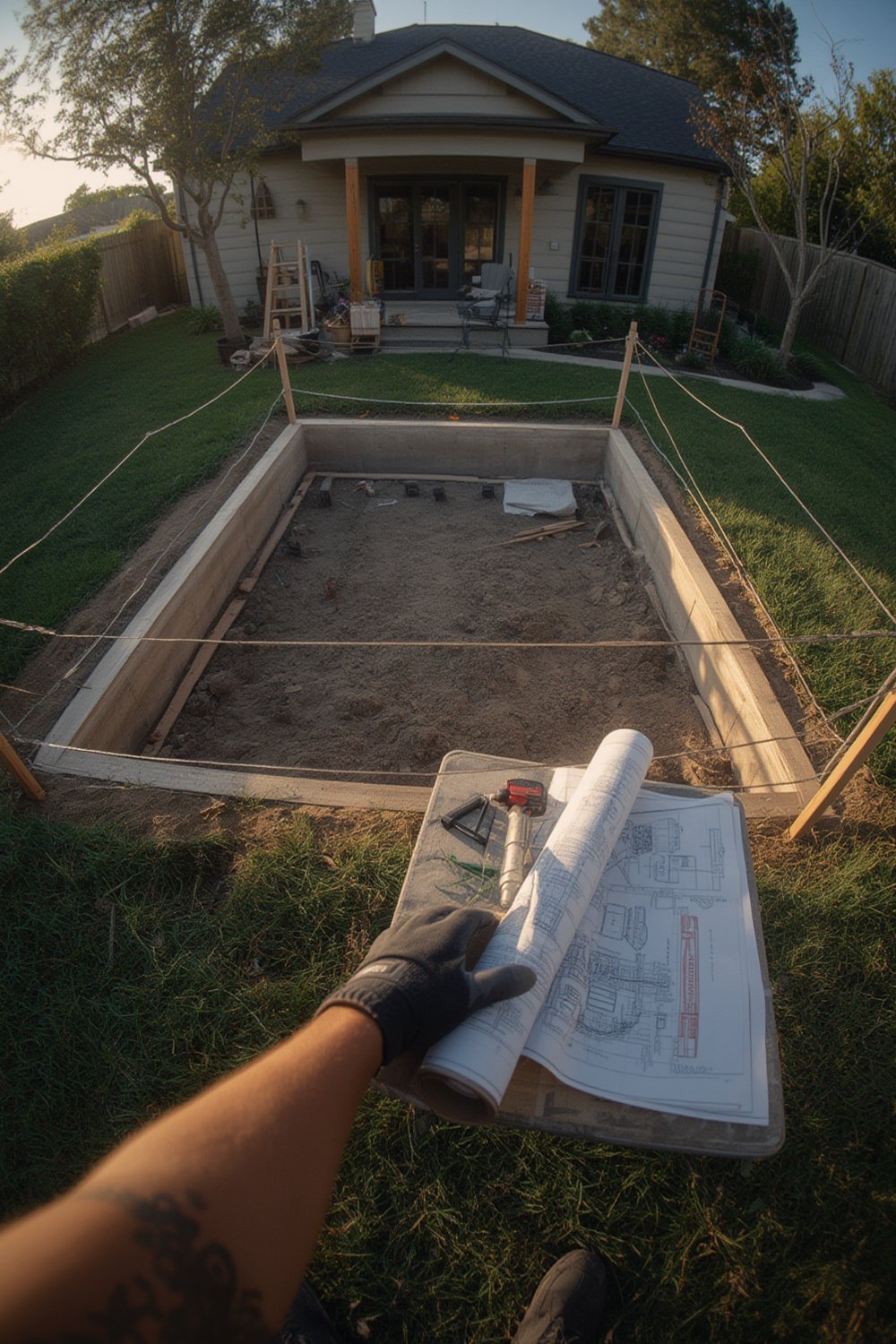
While the rewards can be substantial, adding an ADU is never as simple as placing a shed in the yard. Expect complicated permitting, custom design choices, and unpredictable build costs. For example, ADU construction in California routinely exceeds $300,000 for detached units, especially when local impact fees or tough site conditions are involved.
Successful projects require upfront planning, a clear return-on-investment mindset, and a willingness to navigate both city hall and your own backyard.
Step-by-Step Guide
Ready to build an accessory dwelling unit? Follow these clear, actionable steps to maximize your odds of success while staying realistic about time, cost, and stress.
- Assess Your Yard & Zoning. Measure access paths, slopes, and check for tree protection or environmental overlays. City planning departments are your first stop—don’t rely on contractors to check legal details for you.
- Estimate Your True Budget. Use local cost ranges as a starting point:
- Monterey/Santa Cruz: $173,000–$245,000 for mid-range new builds (design, permits, foundation, exterior, plumbing/electrical, HVAC/solar all included)
- Los Angeles: $150,000–$400,000+ (detached), $100,000–$160,000 (garage conversion)
- Arizona/Maricopa County: $8,000–$15,000 permitting, site prep $5,000–$15,000
- Texas: $100,000–$300,000 depending on size and scope (full ADU cost breakdowns)
Always add a 10–20% buffer for unexpected issues like utility setbacks or permit delays.
- Plan Your Design Based on ROI Goals. Will you rent the unit, house family, or use it as a studio? Detached units cost more but offer better privacy and rental potential (full ADU guide).
- Design & Engineering. Budget $5,000–$25,000 for plans, especially in seismic zones or coastal areas with strict code checks.
- Permitting & City Submissions. Prepare for a wait: Some cities issue permits in weeks, others take months. Be ready for impact fees ($3–$4 per sq ft in Los Angeles), special reviews, and neighborhood input.
- Site Prep & Foundation. Costs jump if your lot is sloped, soil is poor, or access is tight ($10,000–$60,000 possible). Utility trenching and extensions can add $15,000–$50,000, especially if main lines are far.
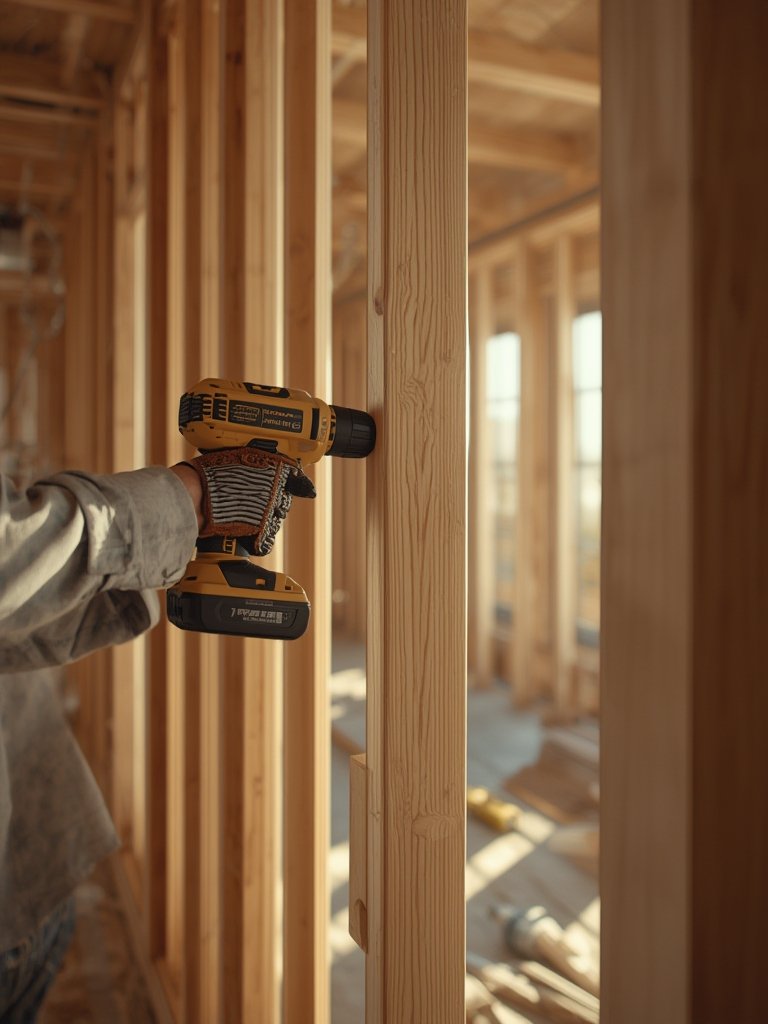
- Construction Phase. Source at least three bids. Labor rates in popular regions are typically $85–$150/hr in California, $60–$110/hr in Arizona. Prefab installs are generally faster but don’t bypass local code requirements.
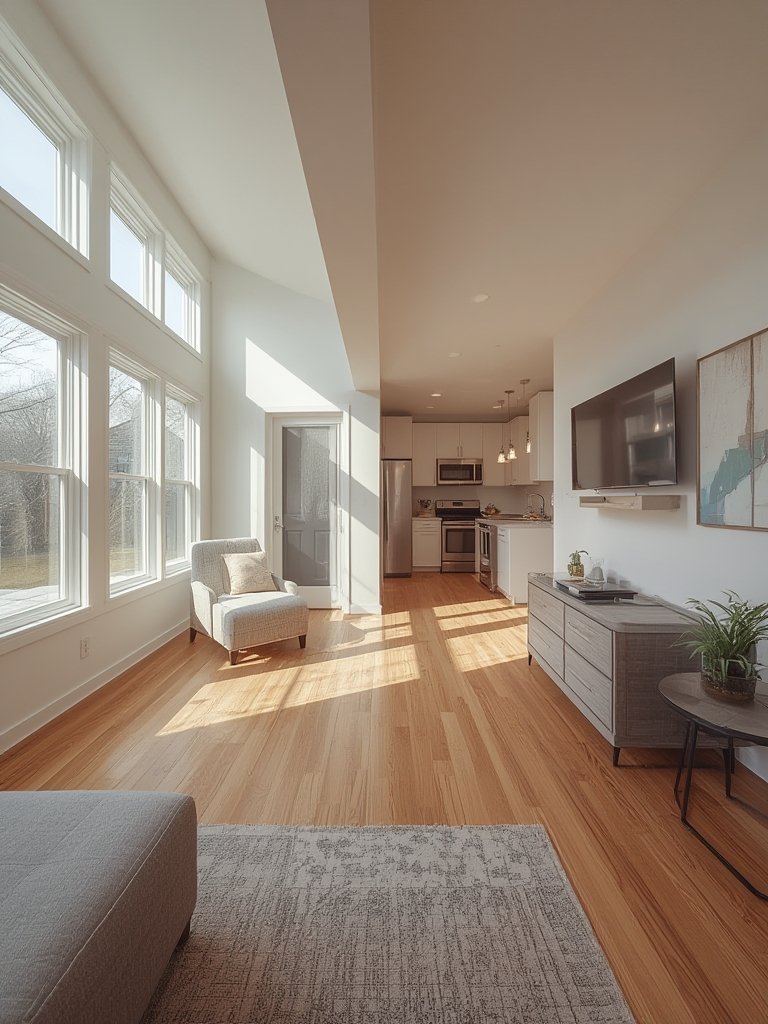
- Final Inspections, Landscaping, Move-in. Finish details add time. Double-check final city sign-off before scheduling tenants.
For small-space living tips and furniture to maximize your ADU, check out reviews of options like the Pure Garden outdoor planter 2-pack and rolling kitchen island to enhance functionality without renovations.
Ready for a more technical dive or want a complete toolkit? A mechanics tool set or an under hood work light are practical investments for DIY ADU maintenance after construction wraps up.
Advanced Analysis & Common Pitfalls
Even well-managed ADU projects can go sideways for reasons rarely discussed in glossy how-to guides. Here’s a realistic breakdown of frequent pitfalls, using the most up-to-date research data and regional averages for 2024.
| Challenge | Frequency | What To Watch For | Estimated Added Cost |
|---|---|---|---|
| Site Prep Surprises | Very Common | Tree roots, poor soil, sloped lots, hard access for equipment | $5,000–$60,000 |
| Permitting & Impact Fees | Common (varies by city) | Seismic/coastal reviews, neighborhood objections, long wait times | $8,000–$30,000 |
| Utility Extensions | Very Common | Lengthy trenching, sewer/water upgrades, panel work | $15,000–$50,000 |
| Labor Shortages or Delays | Increasing | Skilled trades booked up, project management gaps | Hidden: +15–25% time cost |
| Zoning and Financing | Often Overlooked | Loan eligibility, appraisal issues, setback restrictions | Potential project cancellation or major redesign |
| Maintenance/Tenant Issues | Poorly Documented | Ongoing care, noise, privacy complaints | Ongoing: Varies |
Real-life owner forums are light on personal regrets but construction professionals overwhelmingly emphasize budgeting for every step—including full utility trenching and sometimes rigid local reviews. Unexpected cost overruns can easily derail ROI projections, so revisit budgets whenever scope changes.
If maximizing vertical storage or truly flexible furnishings is a must in your design, options like the VASAGLE 5-tier ladder bookshelf can help make compact ADU interiors feel bigger and less cluttered.
Conclusion
Building an accessory dwelling unit in 2024 is a powerful—but complex—path to flexible living, family independence, or extra passive income. Steep construction costs, tricky permitting, and unpredictable site issues can quickly turn dreams into headaches if you cut corners or skip planning steps. If you’re serious about maximizing your outcome, start with a firm handle on both your city’s zoning and your total cost range. Remember, a successful accessory dwelling unit project balances clear goals, transparency about risks, and a stepwise—not rushed—approach. Ready to get started? Begin your research by reading our California ADU guide for region-specific laws and build advice.
FAQ
What is the average cost to build a backyard ADU in California?
Most projects in major cities land between $150,000–$400,000 all-in. Detached units trend higher; garage conversions and prefab options can go lower but still require permits and hookups.
How long does it take to get permits for an accessory dwelling unit?
Timing varies by city, with some areas issuing permits in a few weeks and others taking months. Complicated reviews or special zoning can add significant delays.
What are the most overlooked hidden costs?
Site prep, utility trenching, impact fees, and complicated foundation work routinely exceed owner expectations. Always add a buffer to your original estimate.
How do ADU rental returns compare with other property investments?
No reliable city-by-city data is available, but detached ADUs in high-rent areas tend to offer strong yields relative to cost. Repairs, maintenance, and tenant management still affect your bottom line.
Are there new laws making it easier or cheaper to build an ADU in 2024?
Few major changes took effect in 2023–2024. California remains regulated, while Arizona offers more streamlined approvals. Always check with your municipality for the latest updates.
[…] lawn or backyard that functions as well as it looks? Explore our reviews on entryway benches and accessory dwelling units to upgrade every square foot of your property. Ready to get leveling? Start today and enjoy a […]
[…] safe, full-speed charging—especially if adding other major appliances (see the cross-over with ADU and secondary dwelling unit […]
[…] Check local zoning codes: Many cities restrict garage, attic, basement conversions, or “in-law suites”—and nearly all require permits and inspections. For ADUs, see this guide on accessory dwelling units. […]