
ADU construction is quickly reshaping the housing market in California, offering homeowners a chance to boost property value and provide new rental units. But this surge comes with real challenges, shifting laws, and cost realities that are critical to understand before you jump in.
Key Takeaways
- ADU construction in California has grown by over 14% year-over-year, but most projects still face significant hurdles and delays.
- Affordability and timely completion remain issues—only a small percentage of new ADUs address moderate-income housing needs.
- Recent laws make it easier to sell ADUs separately as condos, but gaps remain in transparent cost and timeline data for most homeowners.
- What Is ADU Construction and Why Does It Matter?
- How to Build an ADU: Step-by-Step Guide for 2024
- Advanced Analysis: What Most Homeowners Miss About ADUs
- Conclusion: ADU Construction in 2024 — Big Opportunity, Real Tradeoffs
- FAQ: ADU Construction in California (2024 Edition)
What Is ADU Construction and Why Does It Matter?
ADU construction refers to building Accessory Dwelling Units on residential lots—think backyard cottages, in-law suites, or transformed garages that function as independent living spaces. They are one of the fastest-growing segments in California housing, accounting for around 20% of all new units statewide in 2024. This upswing responds directly to high housing costs, zoning reforms, and a dire need for flexible homes that accommodate multi-generational living and create rental income.
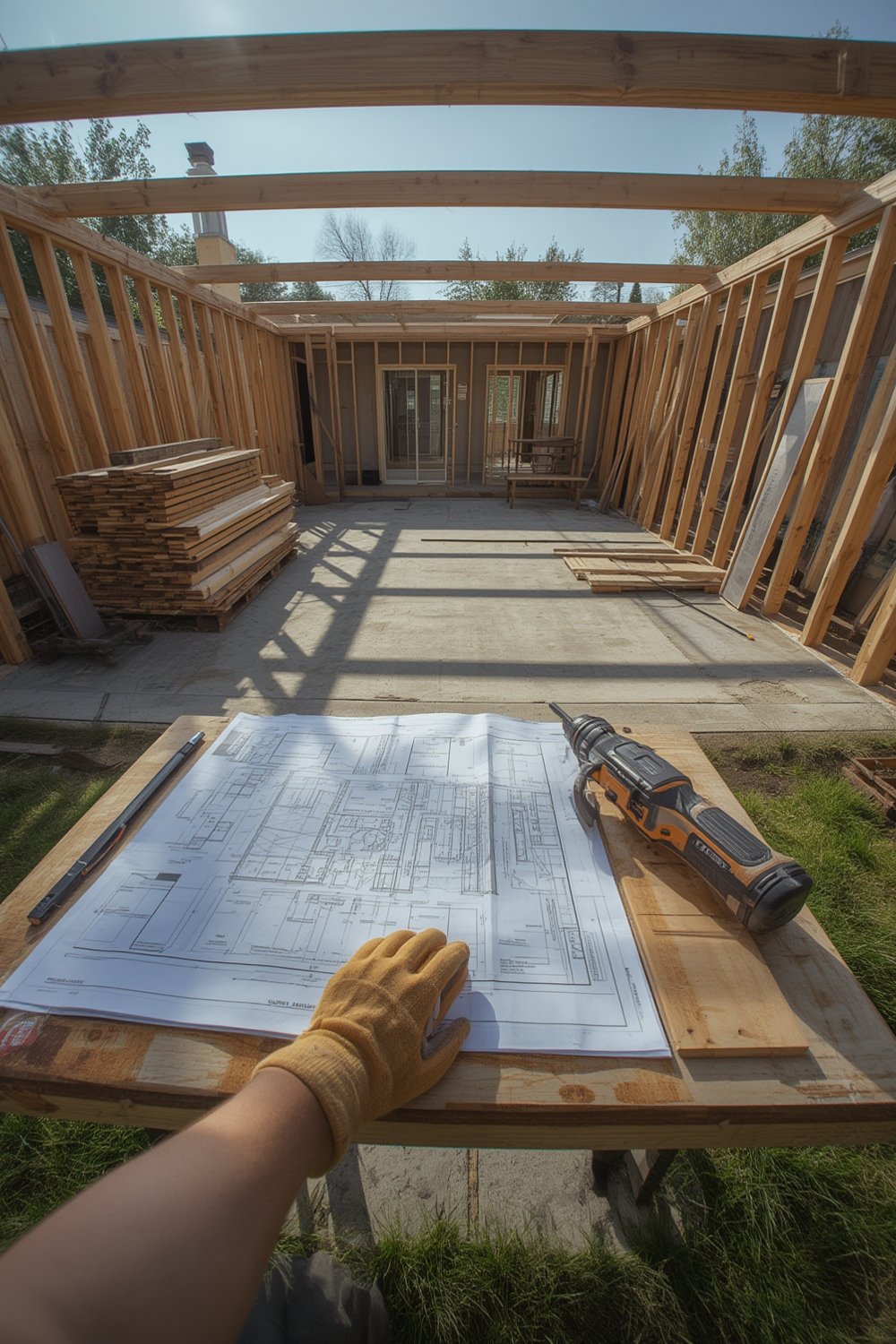
But why the frenzy? Besides the added space, ADUs can dramatically increase property value and allow homeowners to tap into California’s strong rental market without buying another property. Los Angeles alone handles about 60% of all ADU applications. Increasingly, buyers and investors see ADUs as a hedge against rising shelter costs.
It isn’t just about opportunity—there’s also complexity. Navigating the intricacies of permits, local ordinances, construction timelines, and new regulations can be overwhelming, especially with recent legislative shifts such as California Assembly Bill 1033, which opens the door for separate ADU sales as condominiums.
For those considering a build, the realities of modern concrete work and evolving urban trends—like ventless washer dryer—should factor into design and planning choices as well.
How to Build an ADU: Step-by-Step Guide for 2024
Getting from idea to move-in-ready ADU is rarely quick, but a structured approach beats confusion every time. Here’s how California homeowners should attack ADU construction this year:
- Define Your Goal. Decide if you are building for rental income, family, resale value, or flexibility.
- Check Local Rules and Zoning. Contact your city’s planning office or use online zoning maps to see what you’re allowed to build. Don’t assume every detached garage or backyard fits the bill—lot size, setbacks, and height limits matter.
- Budget Hard—and Add a Buffer. No public database tracks the real-life costs of ADU construction, but expect surprises. Permits, site prep, design, and materials pile up quickly, and shortages of skilled labor can spike prices. Research compact kitchen solutions and efficient fixtures early to trim costs where possible.
- Draw Up a Realistic Timeline. Some projects permit within 3 months; others stall for over a year. In 2019-2023, nearly 36% of pulled ADU permits hadn’t resulted in a built unit yet (source).
- Hire Experienced Pros. Get quotes from ADU specialists, architects, or design-build firms with local permits under their belt. Check past projects, ask about ADU-specific experience, and compare several contractors, prioritizing responsiveness and transparency.
- Design for Efficiency. Small footprints demand clever layouts. Integrate multi-purpose furniture and space-saving strategies upfront. Energy-efficient heating/cooling and appliances can greatly reduce long-term costs—see trends in heat pump water heater now required by new codes.
- Submit Your Permit Application. Provide clear, code-compliant plans. Expect multiple rounds of review and corrections—keep digital records and over-communicate with city officials.
- Build, Inspect, Adjust. Breaking ground is only half the battle. Budget for delays in inspections, change orders, or supply chain hiccups.
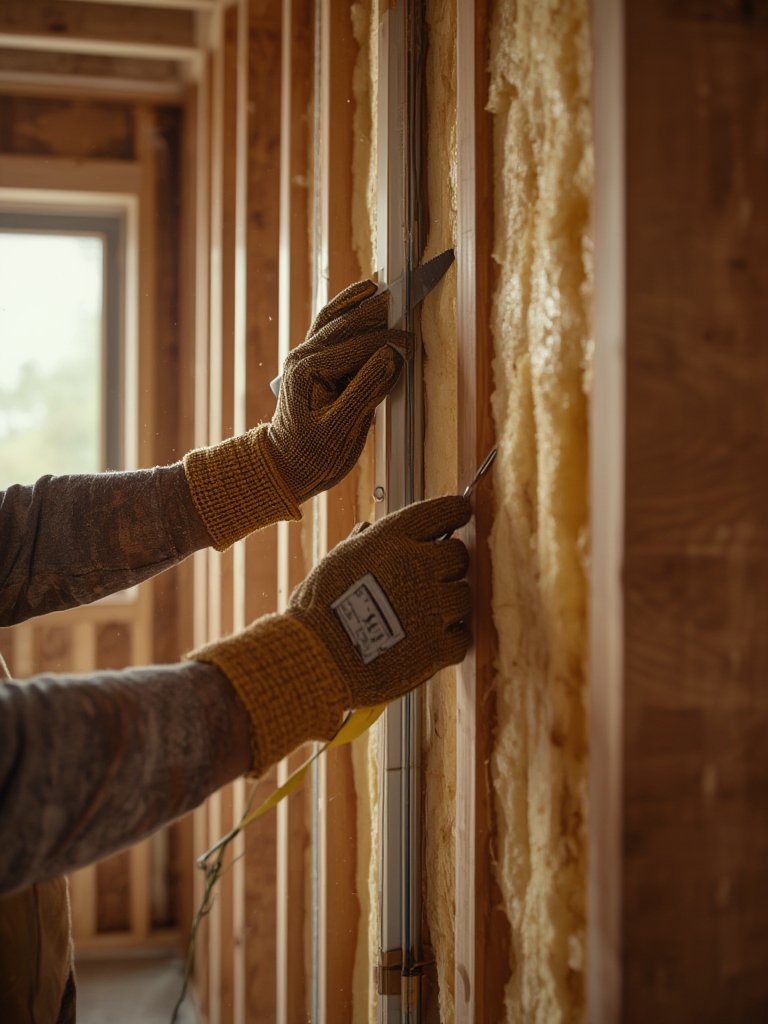
Practical details can make or break your timeline. For example, consider modular or prefab ADU options if your lot and budget allow, as these approaches often face fewer delays and can sometimes bypass common permitting bottlenecks (though not always).
And don’t ignore the smaller stuff: simple fixtures like a slim entryway console can help maximize limited floorplans. Lastly, future-proof your ADU for changing codes—energy and water efficiency standards are tightening annually.
Advanced Analysis: What Most Homeowners Miss About ADUs
Rapid growth has fueled optimism, but the research shows real limits and frequently overlooked downsides.
-
Pitfall: Permit Delays and Complexity.
The state’s ADU laws are broad, but enforcement and review vary by city. Lack of staff, confusing code interpretations, and backlogs can stretch “simple” projects into year-long ordeals. There’s no universal timeline, and homeowners often underestimate time lost to repeated corrections and resubmissions. -
Pitfall: Affordability Isn’t Guaranteed.
While ADUs boost the number of available rentals, only 2–4% of new ADU stock in major counties like San Diego meets moderate-income criteria (see San Diego County analysis). Deed-restricted units are rare, and most ADUs, like those in LA, end up priced at or above market rate. -
Pitfall: Missing Cost Transparency.
Construction costs are rising, and few public data sets break down true averages per type (detached, garage conversion, prefab). Some homeowners report differences of $100k+ between expectations and actual bids. -
Pitfall: Financing Barriers.
Many are surprised by limited financing options. Conventional lenders remain cautious about appraised value for new ADUs, and government grant funding is often competitive or capped. Resources like the CalHFA ADU Grant Program exist but aren’t sufficient for demand. -
Pitfall: Design Functionality.
Space is tight and mistakes are costly to fix. Poor storage, awkward floorplans, or skipping soundproofing are common regrets—products like a ladder bookshelf or a carefully chosen kitchen island can help maximize usability.
| Pitfall | Frequency | How to Avoid |
|---|---|---|
| Permit Delays | High | Use pre-approved plans. Submit clear, complete applications. Follow up often with city staff. |
| Overbudgeting | Moderate | Get multiple bids. Add a 20% buffer. Revisit finishes and materials if needed. |
| Poor Layout | Common | Prioritize built-in storage. Consult designers with small space expertise. |
| Rental Mispricing | Moderate | Research local comps. Expect seasonal vacancy variations. |
| Financing Issues | High | Explore government grants and credit unions. Consider ADU-friendly renovation loans. |
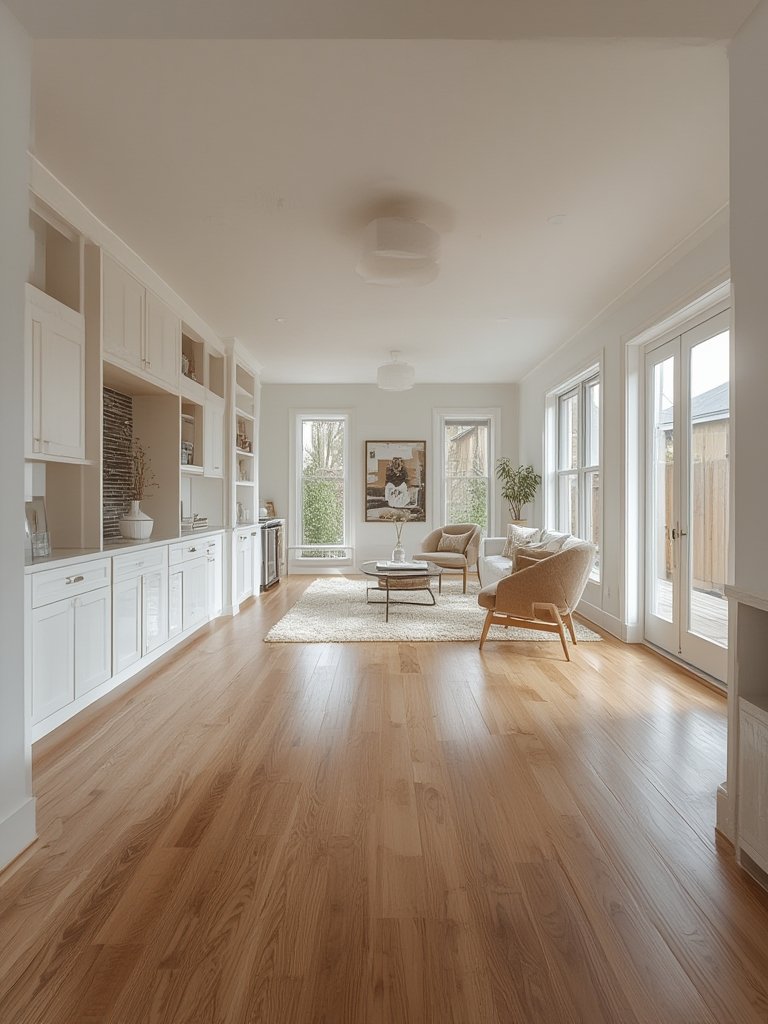
Lastly, be realistic about what an ADU adds and where it falls short. Most will not singlehandedly solve affordability for owners or renters—the latest research shows the vast majority of completed units are market-rate.
Conclusion: ADU Construction in 2024 — Big Opportunity, Real Tradeoffs
California’s ADU construction scene is hotter than ever, driven by law changes, sky-high housing demand, and more experienced local builders than ever before. But the process is still governed by rigorous permits, unpredictable costs, and delays that even seasoned pros can’t fully dodge.
If you want to add space, secure passive income, or raise home value, getting educated on the latest stats and pitfalls is step one. For a real-world look at how product selection and small-footprint design can help, see our reviews on outdoor planters or air purification for small spaces.
Ready to take the next step in ADU construction, or need help with planning? Contact a California ADU specialist or local permit consultant before you spend a dollar. Smart prep saves time, stress, and cash.
FAQ: ADU Construction in California (2024 Edition)
How long does ADU construction typically take in California?
Timelines vary widely. While some projects permit and complete in six to nine months, many take a year or more due to city backlogs and revisions. Modular and prefab ADUs can move faster but aren’t immune from delays.
What are typical ADU permit fees and construction costs?
There is no statewide standard; fees and costs depend on your city, ADU type, and current rates for labor and materials. Always request full quotes—including permit, design, and utility connection fees—before committing.
Do ADUs have to be affordable or rent-controlled?
Not usually. In most California cities, the vast majority of new ADUs are priced at market rate. Only a small subset—under 5%—are deed-restricted or include affordability protections.
Can I finance my ADU with a special loan or grant?
A few grants (like the CalHFA ADU Grant) exist, but most financing involves home equity loans, renovation loans, or cash-out refinancing. Always compare rates and lender requirements before applying.
Can I sell my ADU separately from my main home?
As of 2024, Assembly Bill 1033 allows cities to let certain ADUs be sold as condominiums, but only if your local ordinance has opted in. Most still require ADUs to be owned and sold with the main property.
[…] Expect complicated permitting, custom design choices, and unpredictable build costs. For example, ADU construction in California routinely exceeds $300,000 for detached units, especially when local impact fees or tough site […]
[…] in California, see our deep-dive on ADU construction rules—some compliance overlaps with freestanding […]
[…] panel. These combos are small-space friendly, which is why they’re surging in popularity for accessory dwelling units (ADUs), urban apartments, and even modern office makeovers where every square inch counts. If you […]
[…] you’re renovating your backyard, consider adding a secondary dwelling unit (ADU) or upgrading your garden’s drainage and leveling for optimal water absorption. A dedicated lawn […]
[…] you’re considering a kitchen or bath remodel, unique tiles can turn your space from forgettable to memorable—provided you understand the major […]
[…] kitchens, and entryways. For more rental property upgrade inspiration, check out our guide to ADU construction and ventless washer dryer […]
[…] Still remodeling? Pair your new seat with modern unique tiles or rethink your whole space with a kitchen island or storage bench. Your bathroom—just like your living room—deserves an upgrade you don’t have […]
[…] to stay within your comfort zone and prioritize safety. For trickier upgrades—like larger ADU construction or smart home wiring—don’t hesitate to call in a […]