

Afrobohemian home decor is changing the way modern spaces feel by blending soulful African textiles with free-spirited bohemian ease. This fresh look is on the rise, yet most advice misses the hard details: how to get it right, where to source, and what pitfalls to watch for. Here’s a real-world guide to getting it done—without the guesswork.
Key Takeaways
- Afrobohemian home decor is trending, mixing bold African artistry with relaxed boho comfort, but most style guides skip crucial technical steps.
- Success hinges on placement, balance, and fabric care—especially with unique textiles like adire or Berber motifs.
- Authenticity and ethical sourcing matter, yet reliable sourcing and pricing info is still limited.
- Afrobohemian Home Decor: What It Is & Why It Matters
- How to Create an Afrobohemian Space: Step-by-Step
- Common Pitfalls & Realistic Problems
- Conclusion
- FAQ
Afrobohemian Home Decor: What It Is & Why It Matters
Afrobohemian home decor fuses African craftsmanship—adire indigo cloth, vibrant Kuba, or Berber rugs—with effortlessly casual bohemian layers. The concept champions individuality, color, and meaning while nodding to comfort and sustainability. Pinterest Predicts and design analysts have spotlighted its momentum: searches for “Afrohemian decor” and “colorful African textiles” are soaring as people crave authentic, globally inspired spaces.
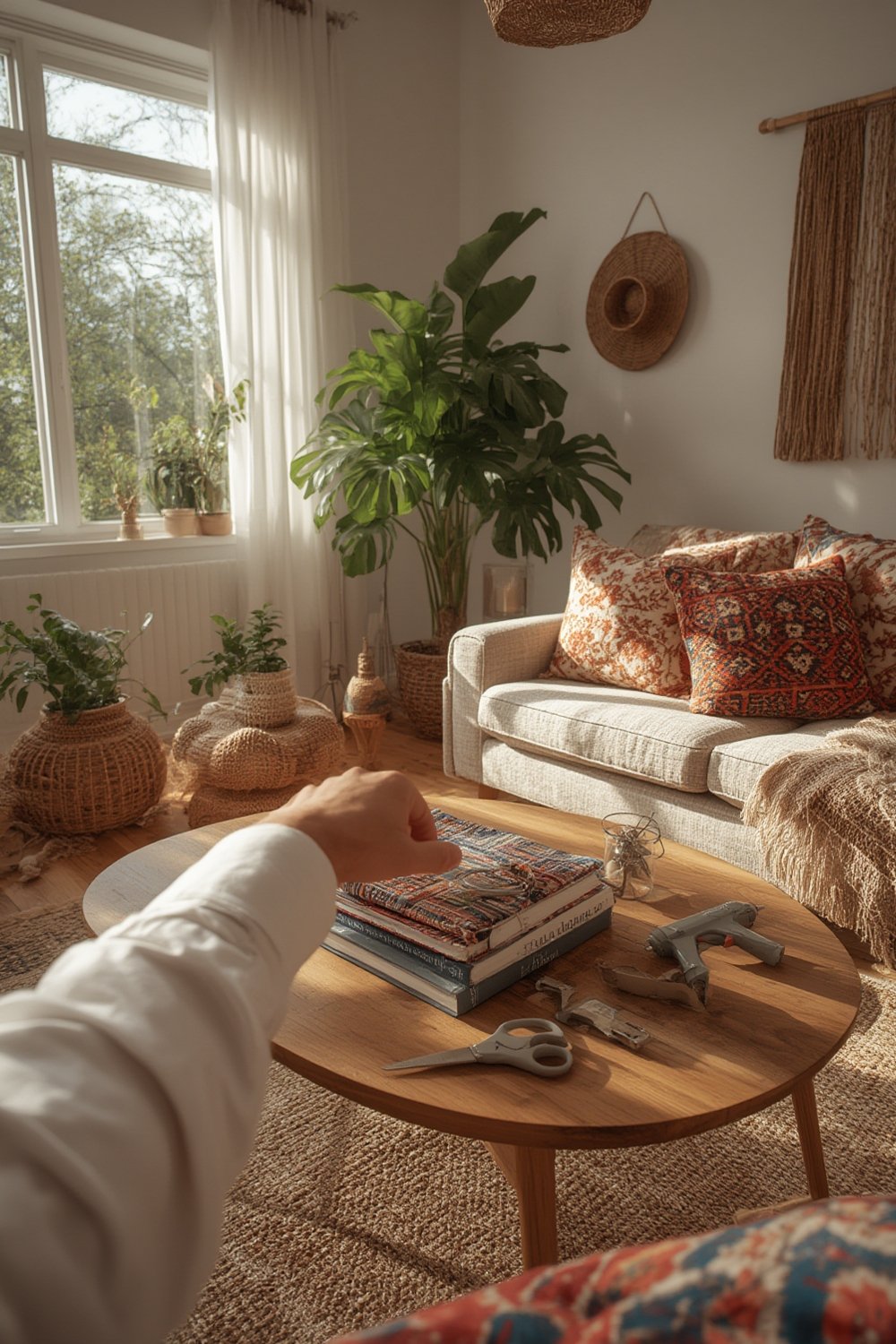
This mix isn’t just about style. It’s about supporting artisans—brands like People of the Sun back over 600 African makers—and celebrating cultural stories with every piece. The challenge: most how-tos skip the technical nitty-gritty, from wall art placement to fabric preservation. Here’s where the real work happens if you want results that last and feel truly personal.
How to Create an Afrobohemian Space: Step-by-Step
- Choose Your Signature Textile:
- Pick one lead element—adire indigo wall hanging, Berber motif pillow, or a handwoven rug. Go authentic where possible. If you’re struggling to source, try African-centered brands or reputable global marketplaces. Major stores like World Market may have sales but verify origin.
- Create Your Palette:
- Ground your room in warm neutrals (beige, bone, flax) as the backdrop. Layer with bold African hues: deep indigo, saffron, clay red, and night black. Balance is critical; let bold patterns shine against calm surroundings.
- Placement Matters—Especially for Wall Art:
- Hang large adire pieces or printed textiles at eye level—about 60 inches from the floor. Avoid direct sunlight, as indigo dyes can fade. Use curtain rods or wooden dowels, allowing fabrics to breathe and fall naturally. Consider indirect lighting to enhance dye vibrancy.
- Mix Textures and Materials:
- Pair woven baskets, straw poufs, or jute rugs with your chosen African textile. Stick to three or four major textures for a cohesive but layered feel—avoid overwhelming with too many competing surfaces.
- Edit—Don’t Overcrowd:
- For small rooms, use one or two statement textiles (like a single adire throw and a patterned rug). Keep the rest pared down: plain sofas, light wood tables, maybe a slim console table or minimalist bench. If you want creative storage, try a farmhouse storage bench for entryway function without fuss.
- Source Responsibly:
- Look for artisan stories and proven origins. People of the Sun is one example, but research brands for fair trade. Ethical sourcing isn’t always easy to verify; if in doubt, do your homework to avoid generic knockoffs.
- Care and Longevity:
- Keep adire and indigo-dyed textiles out of harsh light. Dust regularly using a soft brush. For wall hangings, use museum putty for lower corners to prevent flapping. Wash by handwash only in cold water if needed, using mild soap.
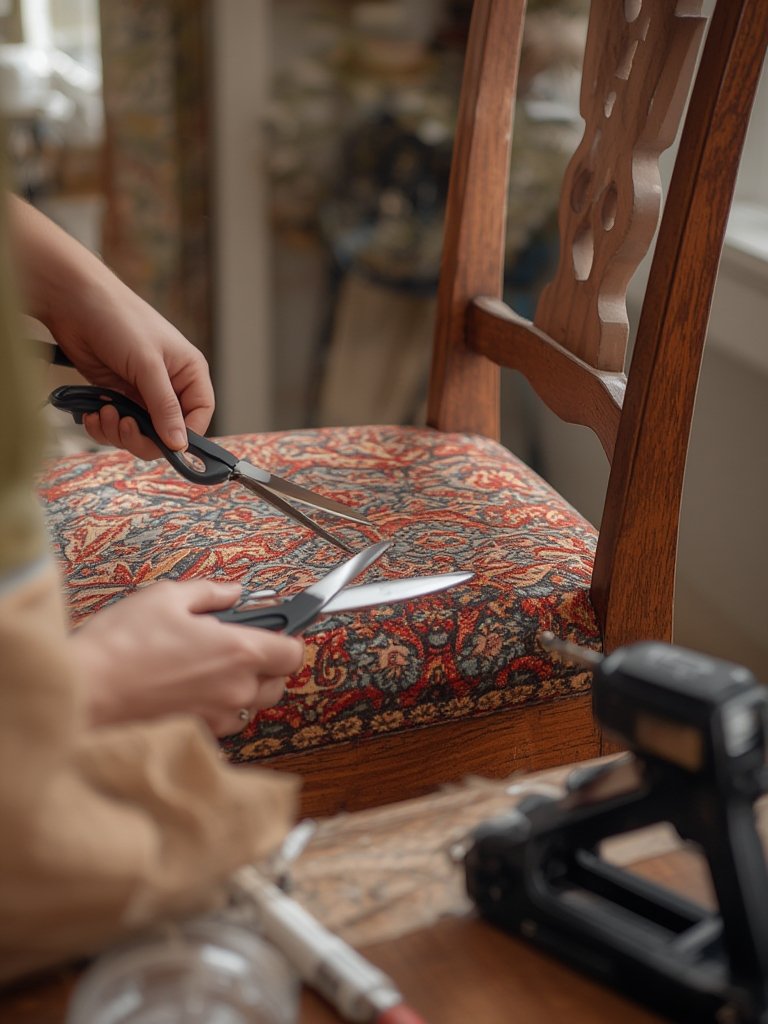
For practical side pieces, browse ladder bookshelves or modern planters to keep the Afrobohemian feel uncluttered yet personal. Mixing in plants or a garden planter can help ground the look in nature.
Common Pitfalls & Realistic Problems
Even design pros admit that integrating Afrobohemian decor with real African textiles is more complex than it seems. Here’s where things go off the rails:
- Bold Patterns Overwhelm Small Rooms: Dense batik or Berber designs can easily dominate a compact space, especially when combined with multiple competing textures.
- Fabric Fading: Placing wall art or indigo-dyed pieces near sunny windows fades colors fast. This problem is rarely covered in style guides.
- No Clear Placement Strategy: Most articles lump textile wall art with macrame or generic tapestries, leaving gaps on exact height, layering, and how to enhance natural dyes.
- Weak Sourcing Information: While stores like World Market run “Afrocentric” sales, it’s tough to confirm authenticity or actual production region for adire and Berber pieces.
- Maintenance Details Missing: Traditional boho guides skip care advice for unique African dyes—risking damage or lost vibrancy.
| Issue | Typical Advice | What Actually Works |
|---|---|---|
| Textile Wall Art Placement | “Hang with macrame or wicker art” | 60 inches from floor, indirect light, allow fabric drape, avoid direct sun |
| Protecting Textile Dyes | Not addressed | Keep out of direct sunlight, dust monthly, handwash only |
| Mixing Bold Patterns | “Add lots of color!” | Limit to 1-2 statement pieces; neutral odds-around items |
| Sourcing Authentic Textiles | Shop sales, little context | Verify artisan origin, research fair trade suppliers |
Since third-party sources lack regional cost info, compare prices and ask vendors about origin. If working with storage or display furniture, consider upgrading with a storage bed or pedestal dining table for easy Afrobohemian adaptation in bedrooms and dining spaces.
Conclusion
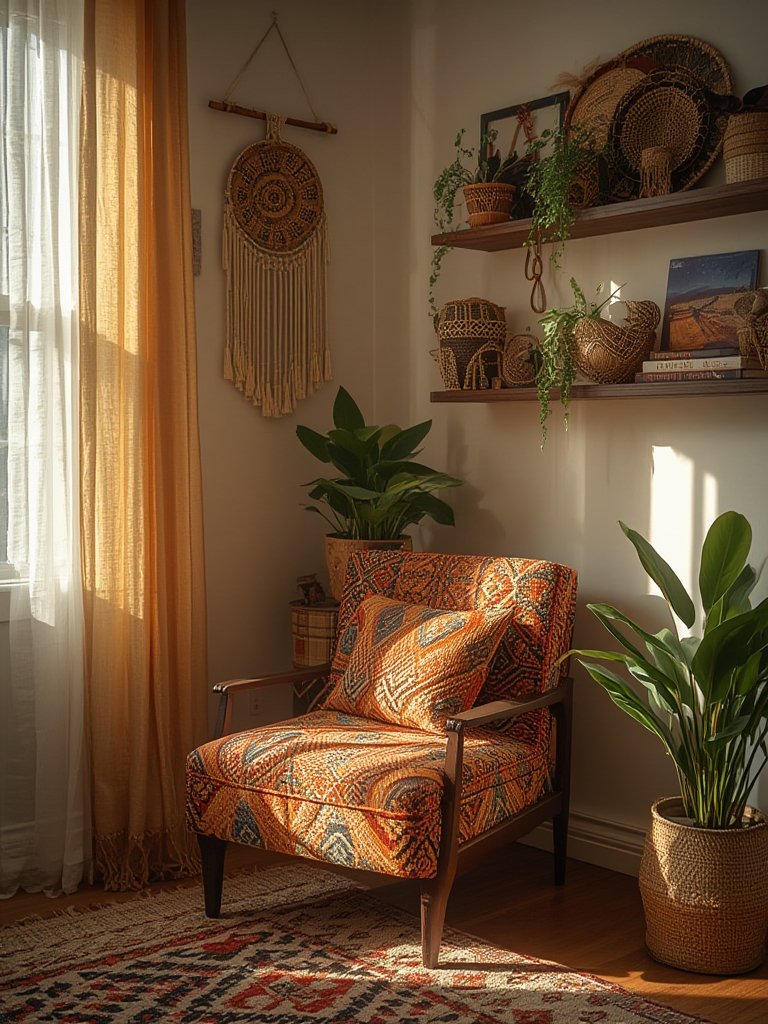
Afrobohemian home decor delivers vibrant, meaningful interiors when you ground it in authentic textiles, careful placement, and responsible care. Don’t settle for generic advice—focusing on proportion, lighting, and sourcing separates real Afrobohemian style from fleeting trends. Now is your chance: pick your standout textile, plan its space, and let your room tell a richer story. Ready to start your own Afrobohemian home decor journey? Choose one textile, try one tip, and make your space truly personal.
FAQ
What is Afrobohemian home decor?
Afrobohemian home decor combines African-inspired textiles and patterns—such as adire, Kuba, or Berber designs—with relaxed bohemian furnishings. It’s about bold, soulful prints set against layered, comfortable backgrounds, supporting artisan heritage and global style.
Where can I buy authentic adire or Berber textiles?
Look for artisan-focused brands or fair trade cooperatives. People of the Sun and similar companies highlight artisan backstories. Major retailers may offer lookalikes; always check product origins before buying.
How do I protect indigo-dyed fabrics from fading?
Keep textiles out of direct sunlight. Hang wall art under indirect or shielded light. Dust occasionally and handwash only with cool water and mild soap to preserve the deep blues.
What are the biggest mistakes people make with Afrobohemian decor?
Common pitfalls include overcrowding bold patterns in small rooms, neglecting textile care, and buying decor without verifying authenticity or artisan origin.
Can I mix other styles with Afrobohemian decor?
Yes. For example, pair Afrobohemian textiles with vintage tiles or minimalist planters to keep the look eclectic but intentional.