

Art deco vintage is making a remarkable comeback, transforming ordinary living spaces into statements of geometric elegance and opulent charm. Yet, getting the look right—while keeping it realistic for modern homes—requires more than bold colors and a few antiques. This guide reveals authentic styling principles, step-by-step upgrades, advanced restoration advice, and the overlooked details that most homeowners miss. Whether inspired by true 1920s glamour or craving a fresh Neo Deco twist, here’s how to make vintage artistry livable today.
Key Takeaways
- Authentic Art Deco vintage combines geometric patterns, luxurious materials, and urban sophistication—Neo Deco adapts these for modern lifestyles.
- Applying Art Deco room by room avoids “theme park” overload and maximizes real impact on a realistic budget.
- Most homeowners overlook eco-friendly sourcing and key restoration pitfalls, risking both value and sustainability.
- What is Art Deco Vintage? Understanding the Core Concept
- How to Style Art Deco Vintage: A Step-by-Step Guide
- Advanced Analysis & Common Pitfalls
- Conclusion
- Frequently Asked Questions
What is Art Deco Vintage? Understanding the Core Concept
Art Deco vintage refers to the design movement that flourished in France and internationally during the 1920s and 1930s. Its signature is sweeping geometric motifs—zigzags, chevrons, sunbursts—paired with lavish materials like exotic woods, chrome, glass, marble, gold, and lacquer. Deep jewel tones and urbane symmetry create drama, while low-profile furniture is adorned with stylized details. Compare this to mid-century modern, which is more pared back, focused on organic shapes, soft woods, and simplicity (source, reference).
Neo Deco reinterprets classic Art Deco with cleaner lines, modern sustainable materials, and a scaled-back opulence. These spaces still feel dramatic but deliver everyday livability, catering to open layouts and contemporary tastes. Compared to bold but mass-produced 1980s Deco revivals, authentic vintage has richer craftsmanship and subtler sheen (read more).
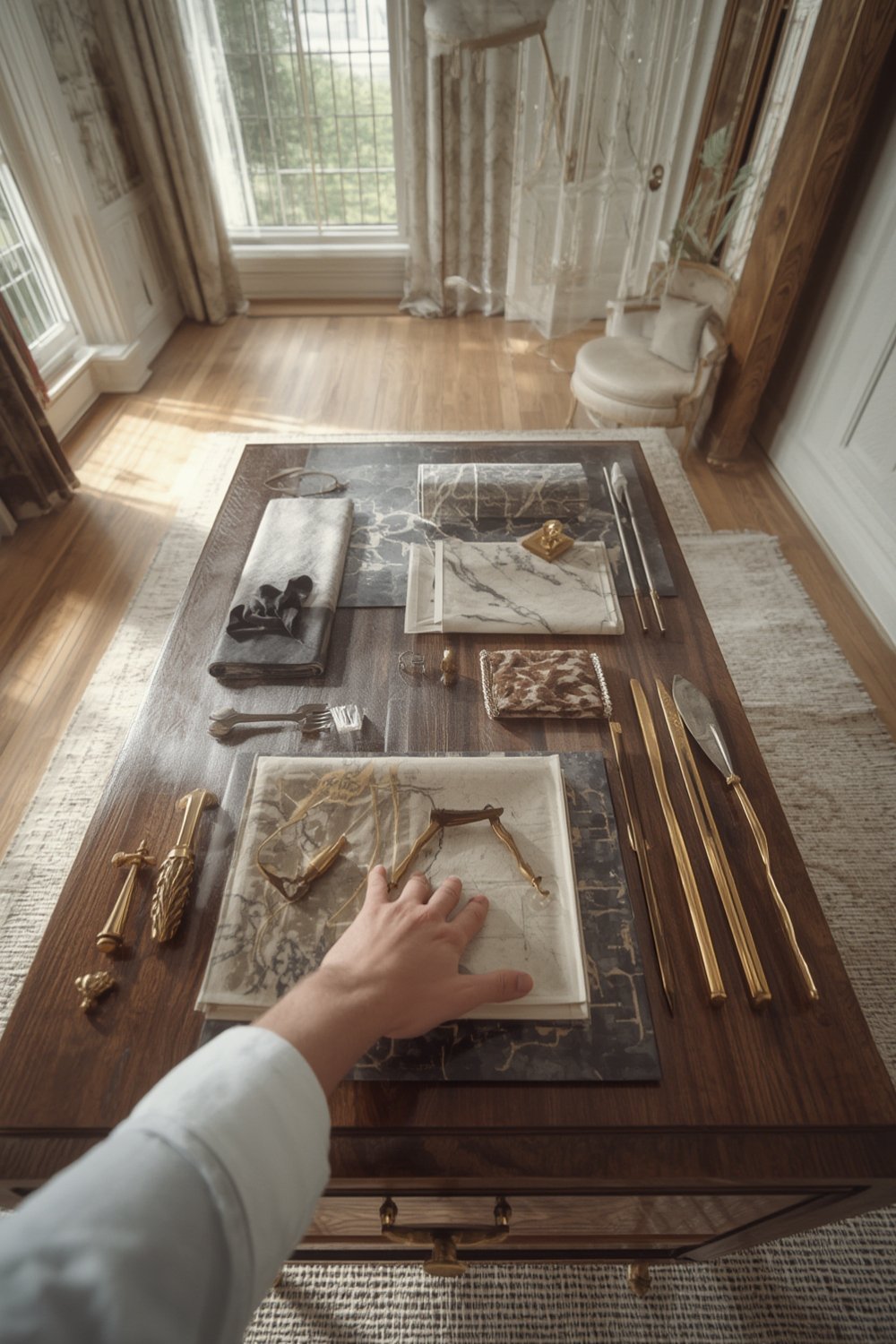
Why does it matter? Because true Art Deco vintage offers more than visual drama. It signals urban ambition, confidence, and a love of craft—a mindset just as relevant today. Yet, balancing historic flair with practical comfort is where most “retro” makeovers falter, suffering from impracticality or feeling inauthentic.
How to Style Art Deco Vintage: A Step-by-Step Guide
- Start with a Statement Piece. Pick one hero object (a geometric rug, club chair, or mirrored sideboard) as your design anchor. Avoid filling a room with only antiques; balance is vital for a real home.
- Layer Materials Thoughtfully. Pair rich woods and metallics with contemporary counterparts. For example, a marble-topped table alongside velvet upholstery and glass accents evokes the era without overpowering the space.
- Establish Strong Geometry. Use zigzag or sunburst patterns on cushions, tiles, or wallpaper. For more subdued rooms like bedrooms, smaller motifs on nightstands or pendant lamps work well.
- Vary Your Color Palette. Move beyond monochrome—integrate navy, emerald, and burgundy. Matte black hardware and brushed brass lighting update the look with today’s flair.
- Mix Vintage and Neo Deco. Source authentic details (restored bar carts, original sconces) and combine them with eco-friendly, modern reproductions. Ethically sourced objects preserve both style and conscience.
- Update Room by Room. In kitchens, try geometric backsplash tiles and chrome light fixtures. For bedrooms, add a deco-inspired headboard and streamlined console (unique tiles sourcing).
- Integrate Storage & Function. Avoid “museum” syndrome—make sure accent tables, benches, and bedside pieces offer storage or practical use. For example, pair an art deco mirror above a modern, solid wood console (console table review).
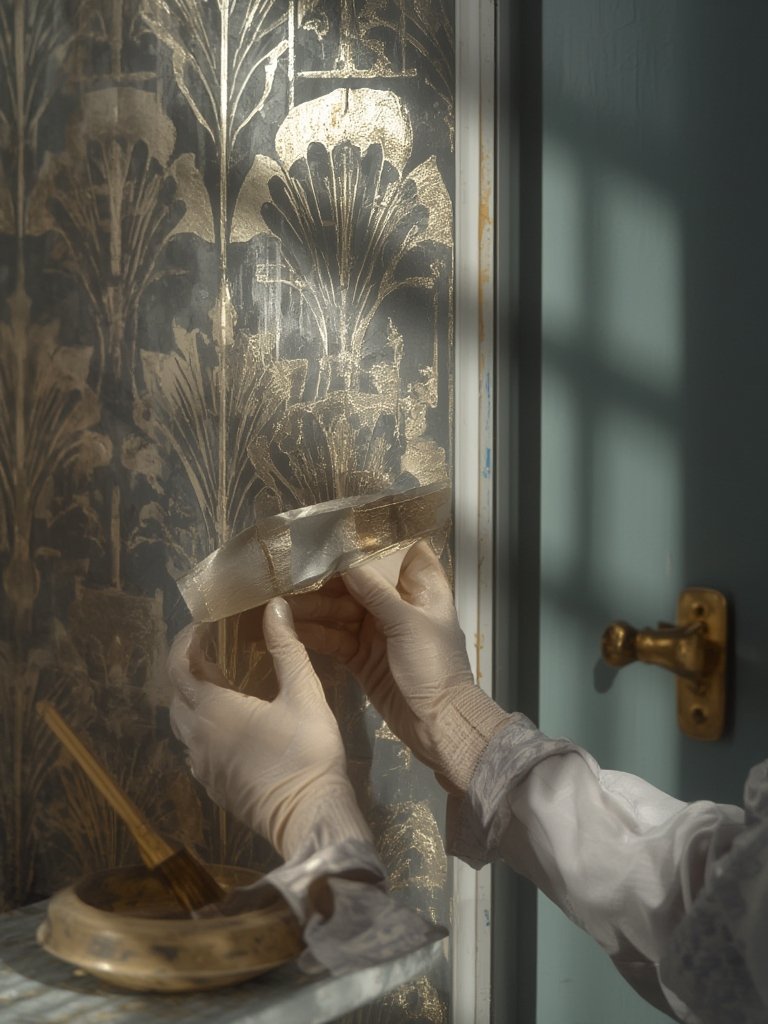
As you layer in accent furniture, don’t forget function. For example, a bench with hidden storage can echo deco curves while solving everyday entryway clutter (modern bench solutions). If you want a compact island, a rolling kitchen island provides extra prep space and storage, blending effortlessly with Deco flair.
Kitchens and dining rooms especially benefit from round, pedestal tables and iconic geometric pendant lights. In bedrooms, try an elevated storage bed with a moody palette for Deco drama that doesn’t overwhelm.
Advanced Analysis & Common Pitfalls
A true Art Deco vintage scheme is more complex—and riskier—than many guides admit. Here are the biggest homeowner hazards:
- Over-theming: Turning an entire home into a Deco “set” quickly feels cheesy and dated. Limit heavy motifs to one or two rooms, and always contrast with modern or streamlined pieces.
- Restoration Blunders: Authentic 1920s pieces require careful material handling, especially lacquer, chrome, and exotic woods. Harsh cleaning products or ill-matched finishes ruin value. Consult professional preservationists before attempting substantial refurbishing.
- Poor Sourcing Choices: Many “vintage” finds are 1980s revivals—bold but lacking original craftsmanship (more details). Double-check provenance if authenticity is your goal.
- Ignoring Eco-Ethics: Top guides don’t cover ethical sourcing. Seek out FSC-certified woods, chrome alternatives, and local craftspeople when commissioning Deco-style reproductions.
- Ignoring Needed Functionality: Many classic Deco pieces are beautiful but not built for daily life. Check that bar carts roll smoothly, lamps are safely rewired, and storage works for contemporary needs.
| Feature | 1920s Art Deco Vintage | Neo Deco / Modern Repro | 1980s Deco Revival |
|---|---|---|---|
| Material Craft | Handcrafted, exotic materials (marble, rare wood, lacquer) | Eco-friendly or engineered materials, simpler build | Mass-produced, layered look, less authentic |
| Geometry | Detailed zigzags, sunbursts, stylized motifs | Scaled-down, minimalist patterns | Exaggerated, high-contrast patterns |
| Colors | Jewel tones, metallics, gloss | Rich but muted or matte for modern appeal | Bold primaries, high shine, contrast |
| Sustainability | Rarely prioritized in original fabrication | Key concern: FSC woods, local production | Often overlooked, synthetic-heavy |
If you need to modernize a Deco interior without a full remodel, consider adding a mobile standing desk or slim, vertical storage (desk review, ladder bookshelf). These blend Deco verticality with real working needs.
Conclusion
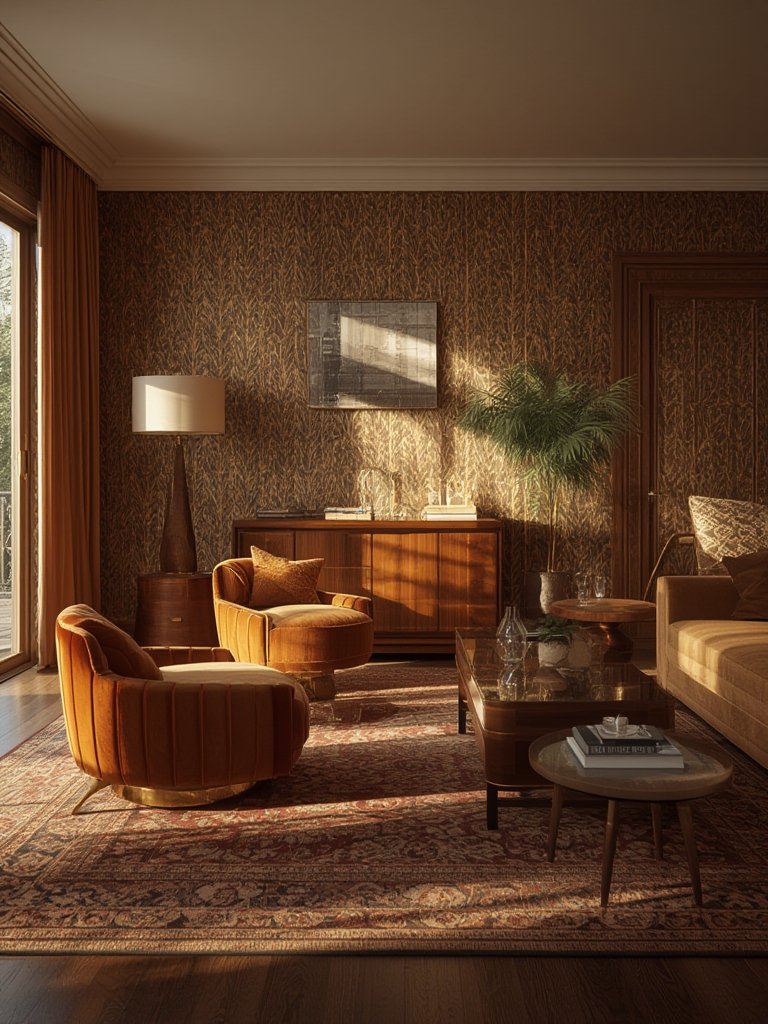
Art deco vintage is about more than era-correct pattern—it’s a creative attitude that values craftsmanship, geometry, and confidence. By balancing authentic antiques, eco-friendly new finds, and functional updates, you can deliver real Deco impact without turning your home into a stage set. Explore modern reproductions, restore with care, and update room by room. If you’re ready to take your home from plain to purposeful, let art deco vintage inspire your next decor move.
Ready to give your space a bold Deco upgrade? Start now with a statement piece or unique tile, and share your progress or questions below!
Frequently Asked Questions
What are the key characteristics of authentic art deco vintage decor?
Authentic art deco vintage decor features bold geometric patterns (like zigzags and sunbursts), luxurious materials such as exotic woods, lacquer, chrome, and marble, rich jewel-tone colors, and ornate low-profile furnishings with urban flair. Lighting is often geometric, with materials like frosted or colored glass.
Can art deco vintage work in small or modern homes?
Yes. Focus on one or two statement pieces, subtle geometric accents, and a strategic mix of vintage and modern reproductions. Avoid over-theming; scale patterns and materials for small spaces and use rich colors sparingly.
How do I find eco-friendly art deco vintage or Neo Deco furniture?
Look for FSC-certified woods, low-VOC finishes, and local makers who use sustainable materials. Many Neo Deco reproductions use recycled metals and engineered composites, offering the look without the environmental footprint.
What common mistakes should I avoid when restoring vintage art deco pieces?
Avoid aggressive chemicals or abrasives on lacquer, chrome, and rare woods. Testing repair methods in hidden areas is essential. When in doubt, consult a restoration specialist to preserve value and character.
How does art deco vintage differ from mid-century modern?
Art deco is more ornate, dramatic, and luxurious, with bold motifs and glossy finishes. Mid-century modern favors functional simplicity, earth tones, and organic lines with minimal decoration and softer wood tones.
[…] paint, or thrifted finds. Want more practical ideas? Explore our modern wall paneling guide or art deco styling tips for unique ways to blend theatrical decor with everyday […]