
Barkitecture turns ordinary backyards into pet-friendly spaces where your dog’s needs shape the design from the ground up. Instead of treating the yard as an afterthought, Barkitecture ensures both pets and people get real, daily value from their outdoor area.
Key Takeaways
- Barkitecture is a practical trend that makes backyards safer, more fun, and easier to live with if you have pets.
- Most problems come from plant toxicity, maintenance hassles, and escape risks, so realistic planning is essential.
- Simple design tweaks, careful material choices, and attention to dog behavior can help avoid costly mistakes.
- Barkitecture: The Core Concept Explained
- How to Build a Pet-Friendly Backyard (Step-By-Step Guide)
- Advanced Analysis: Problems & Real-World Pitfalls
- Conclusion
- Frequently Asked Questions
Barkitecture: The Core Concept Explained
Barkitecture is more than just a cute buzzword. It describes a realistic design movement focused on making outdoor spaces functional, safe, and enjoyable for pets—mainly dogs—while still looking good for their owners. Instead of simply adding a dog house, Barkitecture integrates pet amenities into the landscape itself: graded runs, splash pads, non-toxic plants, easy-clean areas, and shaded rest zones.
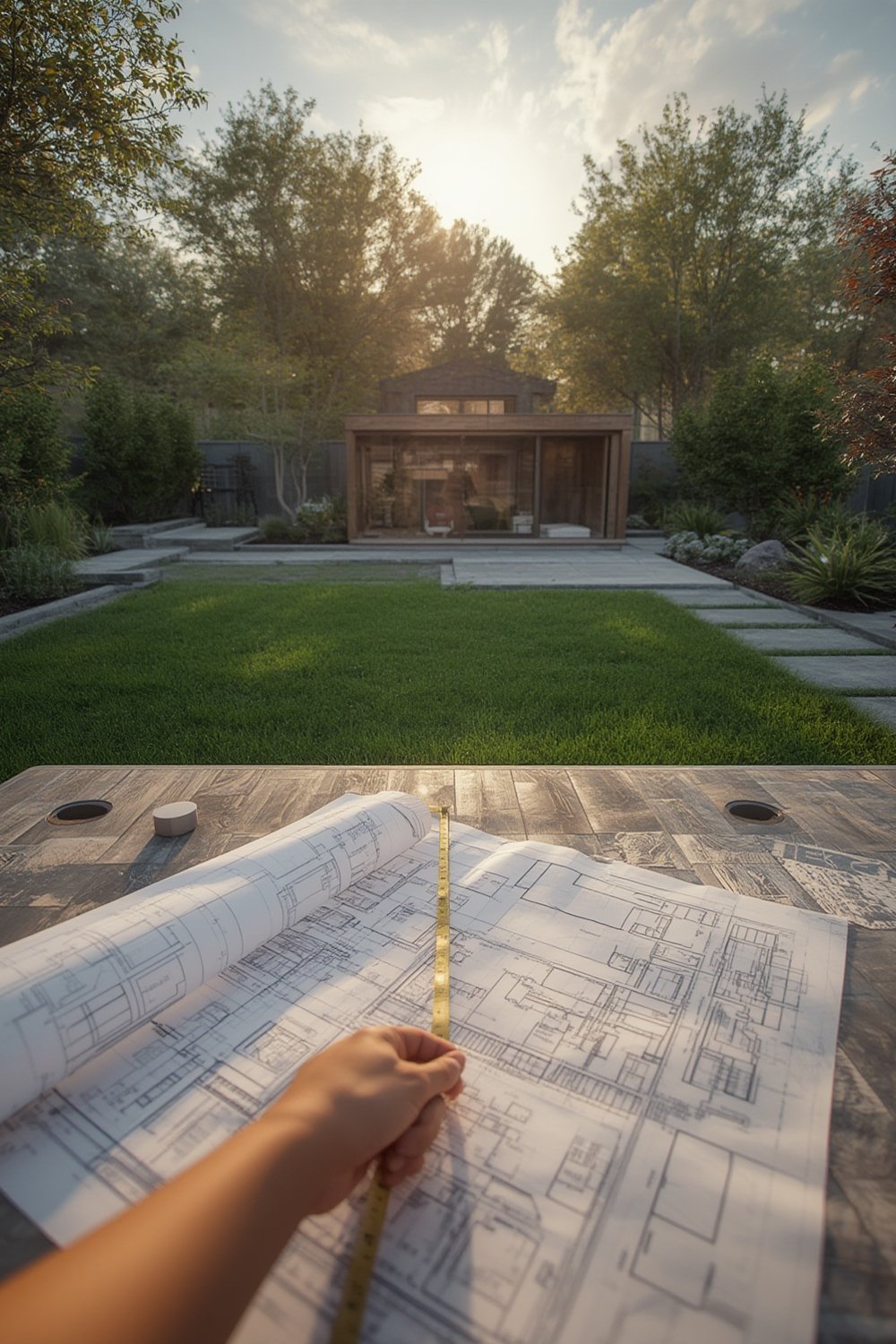
This trend is growing with the global pet furniture market on track to hit $5.5 billion by 2033, and 82% of buyers now actively seeking homes with pet-friendly features. While the style may be new, the core idea—outdoor spaces everyone (paws included) can use—builds real lifestyle and resale value. According to NAR Magazine, Barkitecture responds to “an unprecedented shift where pets’ needs drive real estate decisions.”
Typical Barkitecture features go far beyond a basic fence. They include:
- Paw-friendly grass and turf areas for play and comfort
- Dog splash pads or shallow water features
- Enclosed pet zones that blend with human use spaces
- Pet-safe plants to avoid accidental poisonings
- Runways or tracks for exercise
- Automated feeders, dog runs, and water refilling stations
- Easy-clean surfaces and smart storage for pet items
For inspiration in combining durable backyard features, see our lightweight concrete planter review and Pure Garden planter guide, which cover modern, weather-resistant materials popular in today’s outdoor spaces.
How to Build a Pet-Friendly Backyard (Step-By-Step Guide)
Planning Barkitecture means thinking about your dog’s needs and your yard’s realities before spending on upgrades. Here’s a realistic, no-nonsense approach you can follow at any budget or property size.
- Assess Yard Safety
Check all fences for gaps, weak spots, and escape routes. Note any toxic plants and map out hazards like sharp edging, exposed wiring, or chemicals stored nearby. - Pick Paw-Safe Surfaces
Select grass, turf, mulch, or pavers designed for dogs. Catios and safe enclosures offer inspiration for multi-pet households. Avoid cocoa mulch, sago palm, azalea, and lilies, which are toxic. - Create Functional Zones
Divide your yard into play, potty, rest, and people areas. Use durable yet pet-friendly features; for storage solutions, check our VASAGLE storage bench review for entry/utility ideas. - Add Water Elements
Install a dog splash pad, shallow fountain, or even a DIY kiddie pool. Make sure any water feature drains well and stays clean to prevent health risks. - Choose Shady, Restful Zones
Use patios, pergolas, or even a simply tented corner. Avoid metal surfaces in direct sun, as these can burn paws fast. - Automate Where Possible
Consider smart feeders, motion-activated hydration stations, or self-cleaning surfaces. While some advances are new, simple hacks (like outdoor-timer waterers) work just as well for many homes.
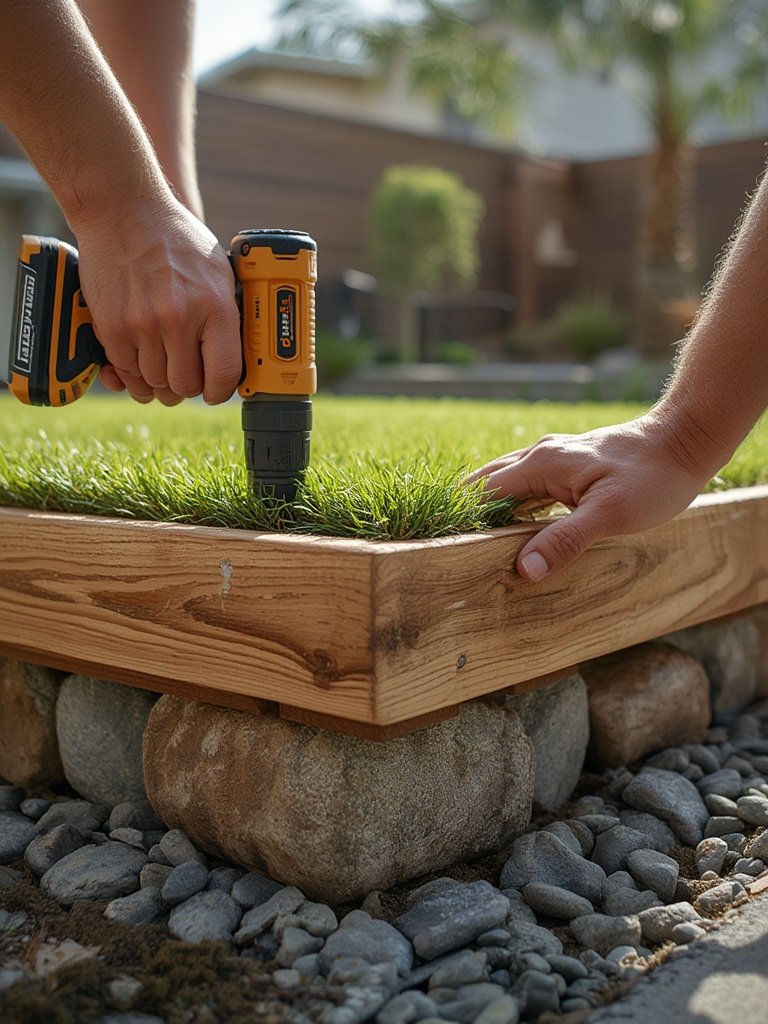
Budget is a common concern. Professional dog splash pads start around $500 but can easily top $2,000 installed. DIY options cost less if you’re handy. Paw-friendly turf ranges from $5 to $15 per square foot installed. Simple play areas using mulch or pea gravel are much more affordable but may require more upkeep. For quick, easy-clean zones, check lightweight, moveable solutions like our honest review of lift-up storage beds—adaptable for storing outdoor pet gear.
Durability and ongoing maintenance matter more than looks alone. Spend more up front on tough fencing and surfaces to avoid costly repairs later. For materials reviews focused on practicality and style, see our console table and pedestal dining table review, which both highlight furniture that works for real-life, high-traffic homes.
Advanced Analysis: Problems & Real-World Pitfalls
Most Barkitecture projects derail when homeowners underestimate dog behavior or the realities of home landscaping. Below are the biggest gaps and actionable solutions:
- Plant Toxicity: Many popular ornamentals are dangerous for pets. Always cross-reference plant lists from trusted veterinary sources, not just garden centers. Mix non-toxic, hypoallergenic, and tough plants like Boston Fern, Bamboo Palm, or Blue Fescue.
- Wear & Tear: Dog claws, urine, and digging destroy weak materials fast. Prioritize durability. Avoid coir matting, soft wood mulch, or untreated wood that can splinter or rot.
- Escape Risks: Smart dogs can dig under or climb fences, so secure bottoms with hardscape, add inward-leaning toppers, and regularly check for weak points.
- Water & Mud Issues: Splash pads must drain well or they become mud pits. Drainage, slope, and a quick-dry surface keep things manageable. Consider self-draining splash pad kits or place features away from shady, muddy corners.
- Poor Zoning: Without clear zones, dogs may treat veggie gardens or patios as play or potty areas. Guide behavior with paths, low fencing, and barrier plantings.
- Ongoing Maintenance: Pet-safe backyards require more routine cleanup, especially with water features or play mulch. Plan for time, not just the initial install.
| Design Element | Potential Problem | Realistic Solution |
|---|---|---|
| Paw-Friendly Grass | Urine spots, digging, maintenance costs | Use durable varieties (fescue, rye); train dog for potty spot; reseed as needed |
| Dog Splash Pad | Poor drainage, algae, slip risk | Install with gravel base; clean regularly; use textured, slip-resistant surfaces |
| Puppy Play Zones | Noise, unsightly wear, canine boredom | Rotate toys, refresh mulch, change layouts seasonally |
| Pet-Safe Plants | Limited color choice, slower growth | Mix with containers for more variety; use raised beds to add height and shape |
Another common pitfall is over-investing in high-end amenities without considering your specific dog’s habits. A self-cleaning dog run won’t help a lazy slumberhound; a splash pad is wasted on water-shy pups. Always start small and expand based on real use.
Conclusion
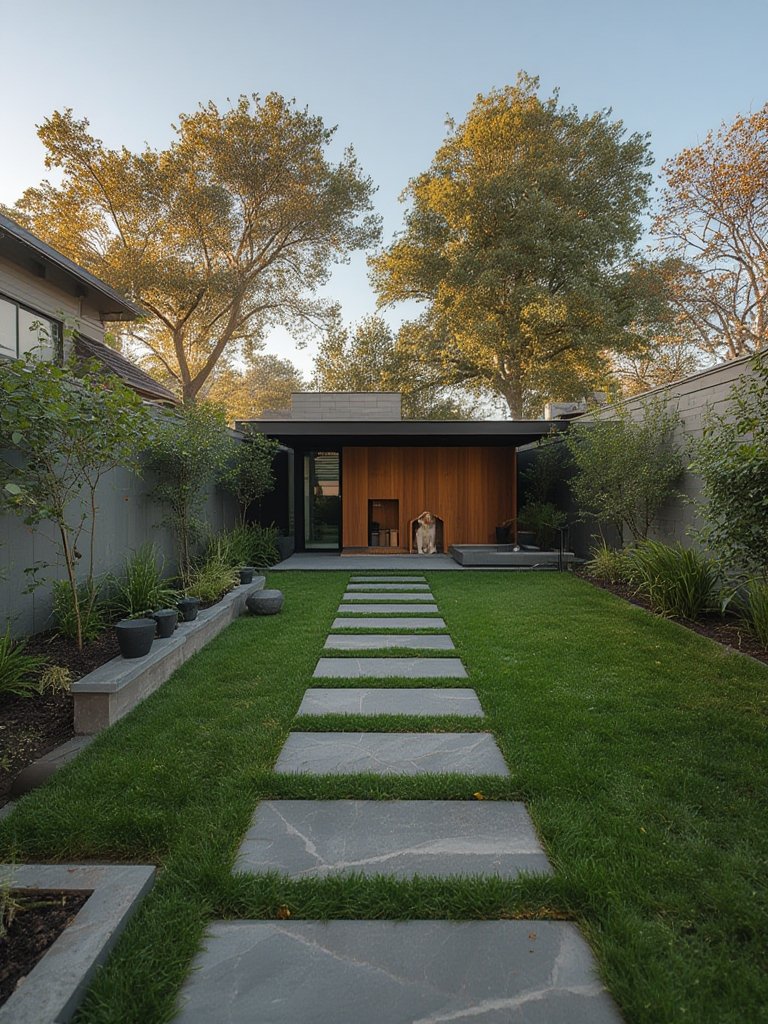
Barkitecture is not about turning your backyard into a theme park—it’s about practical design that gives your dog safety, comfort, and joy without making your own life harder. Start with the basics: non-toxic plants, tough surfaces, clear zones, and secure fencing. Add features your dog will use daily, not just trendy extras.
Done right, Barkitecture can boost your quality of life and strengthen resale appeal. With 82% of buyers seeking pet-friendly features (source), investing in a pet-centered yard is likely to pay off—even if direct property value numbers are hard to isolate today.
Your next step? Walk your yard, list your dog’s needs, and map out one change at a time. Planning with a Barkitecture mindset is the smartest way to create a backyard everyone will love. Ready to get started? Begin with a design sketch, a quick plant audit, or a small pilot project—then build from there.
Frequently Asked Questions
What is Barkitecture?
Barkitecture is the design approach focused on making yards and homes more pet-friendly. It integrates pet amenities—like splash pads, safe fencing, and paw-friendly surfaces—into the overall landscape, so both dogs and humans benefit.
Are all plants safe for dogs in Barkitecture designs?
No. Many popular landscaping plants are highly toxic to pets. Always choose non-toxic varieties like Boston Fern or Blue Fescue and double-check new plant purchases against trusted veterinary lists.
How much does it cost to add dog-friendly features?
Costs vary widely. A simple play area might cost a few hundred dollars in materials, while a pro-installed splash pad could exceed $2,000. Maintenance costs also add up, especially for water features and turf.
Will Barkitecture improve property value?
Pet-friendly yard features don’t always directly raise property value, but they greatly increase resale appeal. With over 80% of buyers seeking pet amenities, homes with Barkitecture elements stand out.
Can Barkitecture work for renters or small spaces?
Absolutely. Many Barkitecture solutions—like portable planters, modular turf tiles, and temporary dog runs—are designed for flexibility and can be removed if you move.
[…] your pocket forest into a broader, eco-friendly backyard layout? Explore practical ideas for pet-friendly landscaping or incorporating water-saving appliances indoors for a comprehensive sustainability […]
[…] your system waters plants you never use or you struggle with “dead zones,” check out a pet-friendly backyard guide or experiment with water-smart landscaping layouts. You’ll minimize waste and potentially create […]
[…] designing a pet-friendly home and want to maximize your dog’s comfort, check out our guide to dog friendly landscaping—gut health and the environment work together for total […]
[…] Barkitecture: Pet-Friendly Backyard Design […]
[…] cat engaged, reducing fights around shared resources. If you’re new to multi-cat home design, our pet-friendly backyard guide offers smart enrichment strategies that complement an indoor self-cleaning […]
[…] For an indoor-friendly approach, combine enrichment toys with space-saving home upgrades. Adding a durable, washable rug creates a comfy play area and makes clean-up easier after treat-dispensing toys. For pet parents thinking bigger, read about dog-friendly landscape ideas in our pet landscaping guide. […]
[…] where possible, and always request sample warranties or manufacturer test data. See our guide to creating pet-friendly living spaces for more on protecting your […]