

battery cleaner isn’t just for mechanics—it’s an affordable, home-friendly tool that every US car owner should understand. Whether your vehicle won’t start or you want to prevent battery issues, keeping your battery terminals clean gives your car a fighting chance to start every time. You don’t need pro skills to clean corrosion yourself, but safety matters and skipping steps can create bigger headaches later.
Key Takeaways
- Regular use of a battery cleaner prevents poor electrical connections and extends your car battery’s reliability—aim for cleaning every six months.
- DIY battery terminal cleaning is possible for beginners, but always wear gloves and safety glasses and be prepared to call a professional if leaks or severe corrosion are present.
- Homemade cleaning solutions like baking soda work; however, commercial sprays and corrosion inhibitors often make the process faster and help prevent problems from returning.
- What Is Car Battery Cleaner—and Why You Need It
- Step-by-Step: How to Use Battery Cleaner on Your Car at Home
- Advanced Analysis & Common Pitfalls
- Conclusion
- Frequently Asked Questions
What Is Car Battery Cleaner—and Why You Need It
Battery cleaner, whether in spray or paste form, is used to remove corrosion buildup on automotive battery terminals and posts. Corrosion is that white, green, or bluish powder you’ll find on your battery’s terminals—it acts like an insulator, blocking electrical flow and causing starting issues, dim lights, and even total electrical failure. Keeping those connections clean ensures your battery and alternator aren’t working overtime, which helps maximize battery lifespan.
Ignoring corroded terminals not only causes starting problems but also leads to earlier-than-necessary battery replacements. Cleaning every 6 months is recommended by leading battery suppliers (source). Though there isn’t a precise statistic for 2023-2024 battery failures caused by corrosion, it’s widely accepted that regular maintenance prevents common breakdowns and saves you money.
Step-by-Step: How to Use Battery Cleaner on Your Car at Home
Skill Level: Beginner (but patience is required). Time needed: 20-40 minutes. Most DIYers can handle this if you follow basic safety steps. Here’s how to safely and effectively clean your car battery terminals at home:
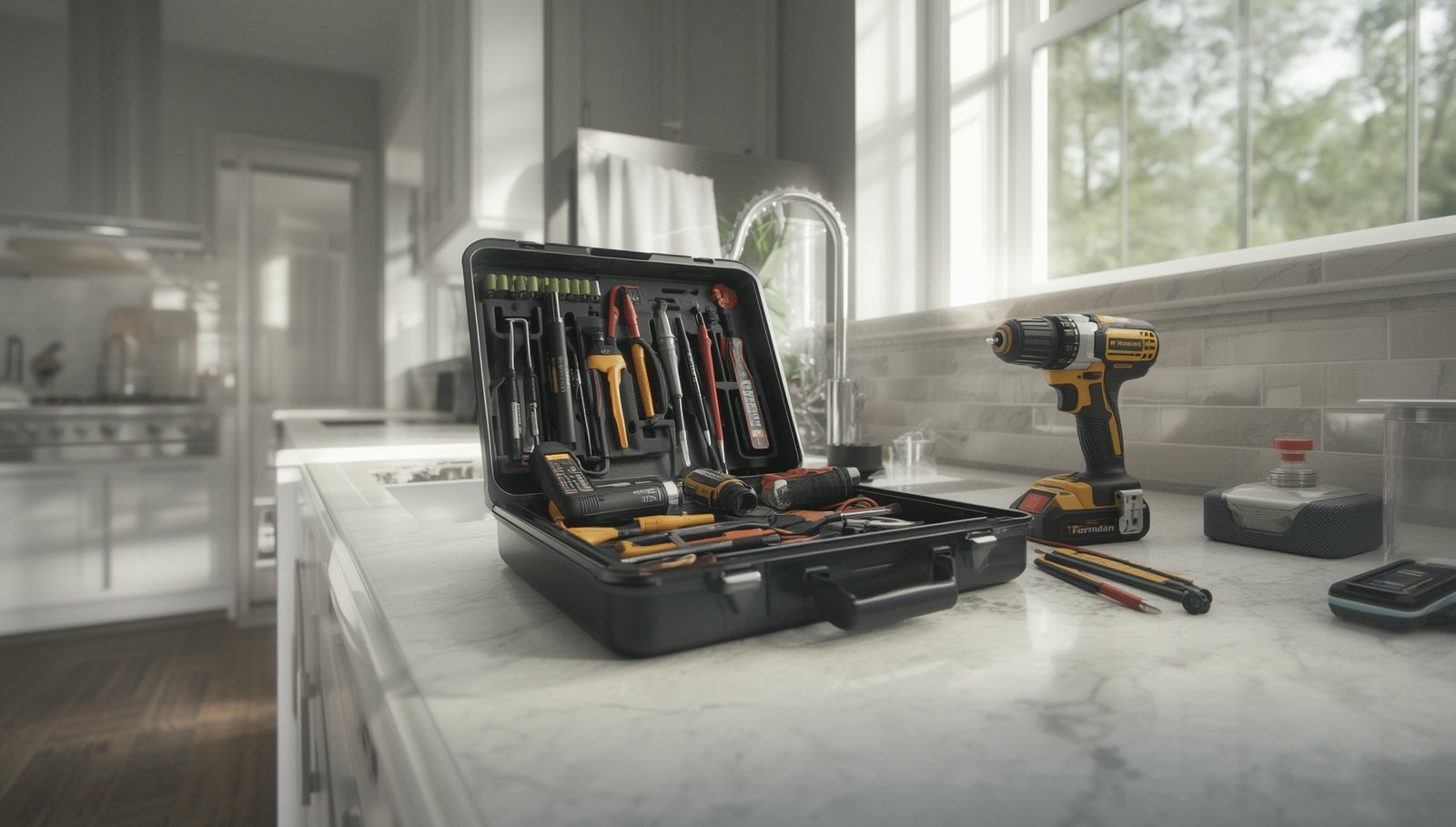
- Gather Supplies: Safety glasses, disposable gloves, battery cleaner spray or baking soda, old toothbrush or battery terminal brush, small socket or wrench, clean rags, cup of water, and optionally a corrosion preventative spray (after cleaning).
- Prep Your Vehicle: Park outdoors or in a well-ventilated garage. Turn off the ignition, set the parking brake, and remove keys. Open the hood and locate the battery. Never smoke or use open flames near the battery—it can emit hydrogen gas.
- Use a Memory Saver (Optional but recommended for newer cars): If you’re worried about losing radio presets or stored settings, plug in a memory saver via the OBDII port or 12V socket.
- Disconnect the Battery Terminals: Always remove the negative (black, “–”) terminal first, then the positive (red, “+”) terminal. Never let your wrench touch both terminals at once.
- Inspect for Leaks or Damage: If you see cracked cases, bulging, or signs of leaking acid, stop and call a professional. Battery acid is corrosive and dangerous to handle at home.
- Apply Battery Cleaner: Spray the battery cleaner generously on corroded areas, or apply a paste of 4 tablespoons baking soda mixed with ¼ cup water, vinegar or lemon juice. Let it bubble for 3–5 minutes to neutralize deposits. Don’t let mixture seep into battery vent caps.
- Scrub Thoroughly: Use your brush to scrub posts and terminals. Wipe away residue with a clean rag.
- Rinse and Dry: Rinse the area with a cup or bottle of water (never with a hose) to remove all leftover cleaner. Dry posts and connectors completely.
- Apply corrosion preventative: (Highly recommended) Spray or brush on a corrosion preventative, made for batteries, to keep terminals cleaner for longer.
- Reconnect the Battery: Attach the positive (“+”) terminal first, then the negative (“–”) terminal. Tighten snug but don’t overtighten.
- Start the Car and Check: Ensure the car starts easily and all electricals work.
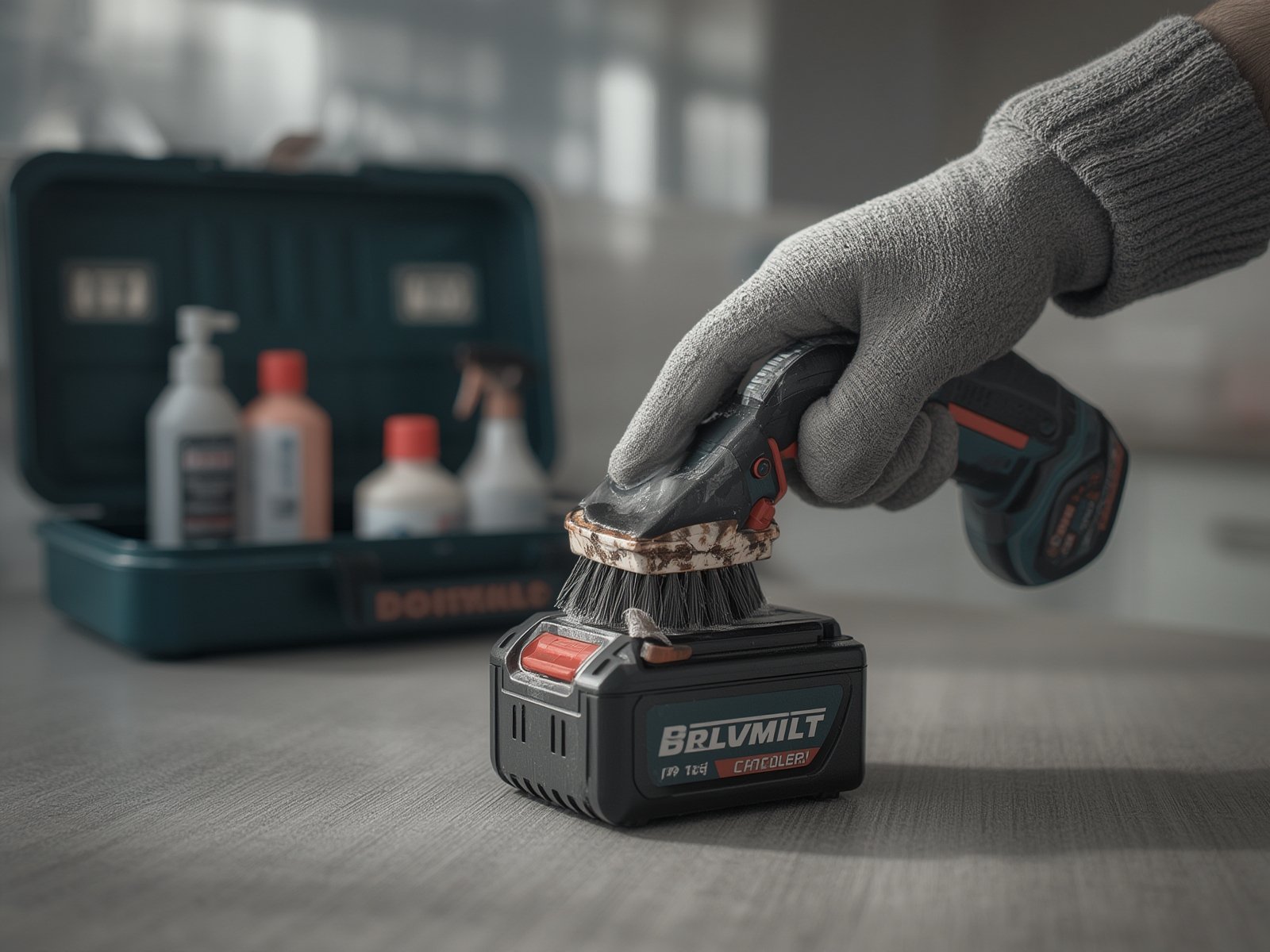
For a more comprehensive car DIY toolkit, see our CRAFTSMAN Mechanics Tool Set review and check out this Car Battery Tester home guide for an extra diagnostic boost.
If you’re planning projects in the garage, a reliable under hood work light makes battery cleaning safer and easier.
Advanced Analysis & Common Pitfalls
Cleaning your car battery terminals is simple in theory but can go sideways fast if you skip steps or overlook safety.
Common Pitfalls
- Forgetting to disconnect the battery: Cleaning while still connected risks short circuits—always disconnect negative first.
- Letting cleaner seep into battery cells: Don’t allow any liquid (even water or baking soda) inside vent holes or caps. This dilutes acid and ruins the battery.
- Mixing up terminal order: Wrong order reconnecting can short electronics. Positive goes on first, negative last.
- Skipping eye or hand protection: No one expects a splash, but acid burns instantly and can cause permanent injury.
- Trying to clean wet, oily, or damaged terminals: If there’s oil or the battery is visibly leaking or bulging, cleaning will not fix the underlying problem—call a mechanic.
- Using too much water: Flooding the battery area can cause more corrosion or leak inside the battery case.
Corrosion Colors and Clues
- White powder: Usually lead sulphate—common with most lead-acid batteries.
- Blue or green corrosion: Indicates copper presence (often from cable terminals).
- Brown or reddish corrosion: Points to iron or steel parts reacting.
If you see heavy corrosion only on the negative terminal, this could suggest starter or charging system issues (reference).
Comparison: DIY Battery Cleaner Options
| Method | Effectiveness | Safety | Cost | DIY Friendliness |
|---|---|---|---|---|
| Baking soda + Water Paste | Good for mild corrosion; more scrubbing required | Safe if kept out of case | $1–$3 | Beginner |
| Commercial Battery Cleaner Spray | Speeds up removal; targets stubborn spots; some foaming formula reveals corrosion | Safe if used outdoors; wear PPE | $6–$15 | Beginner |
| Dedicated Terminal Cleaning Tool | Makes quick work of rust on posts/clamps | Safe—manual tool; avoid shorts | $8–$15 | Beginner |
| Professional Mechanic Service | Ideal for heavy corrosion or leaks; checks system health | Safest for unsure DIYers | $30–$60+ (labor) | No DIY |
No matter which method you use, never mix up the process. When in doubt, opt for a professional if there are cracks, leaks, or you just aren’t comfortable. For more tips on tool selection for vehicle and home projects, check our DEWALT Compact Drill Driver review.
Conclusion
A battery cleaner routine is simple, affordable, and can be the difference between a car that starts reliably and one that leaves you stranded. Clean, corrosion-free terminals help your alternator and electrical system work efficiently, extend battery life, and reduce unexpected repairs. For most US homeowners and renters with basic hand skills and a bit of time, this chore is within reach. If you’re dealing with leaking acid, heavy buildup, or worry about damaging electricals, it’s smart to involve a professional.
Ready to tackle your own battery maintenance? Gather your gear, follow the steps above, and get peace of mind every time you turn your key. Not sure which DIY tools make the job easier? Consider upgrading your arsenal with our honest mechanics tool set or light the way with a smart under hood work light.
Who Should Try DIY Battery Cleaning?
- Best for: DIY beginners and intermediate car owners with no leaks or heavy damage, homes with a driveway or ventilated garage.
- Who should skip: Anyone uncomfortable with car electricals, renters without outdoor space, or those facing leaking or swollen batteries—hire a professional instead.
Frequently Asked Questions
Is battery terminal cleaning safe for beginners?
Yes, as long as you follow safety steps—wear gloves, safety glasses, and disconnect the negative terminal first. If you see leaks or a cracked battery, stop and call a professional.
Do I need special tools to use battery cleaner at home?
Not necessarily. An old toothbrush and baking soda work well, but a dedicated battery terminal cleaning brush and commercial spray will save you time and effort.
How often should I clean my car battery terminals?
Most experts recommend every 6 months. More often if you notice buildup, slow cranking, or inconsistent starts.
What if the corrosion returns quickly after cleaning?
Try using a corrosion preventative spray after cleaning. If corrosion is back within weeks, your battery or charging system may have underlying issues that need attention.
Can battery cleaner fix a car that won’t start?
It can help if the problem is poor electrical contact due to corrosion. It won’t fix a dead battery, faulty cables, or a failed starter—diagnose carefully or consult a professional if symptoms persist.
—