

Car battery tester tools are the unsung heroes for any US homeowner or renter who wants to handle car problems before they become emergencies. With repair costs rising dramatically, having a car battery tester in your garage can save you time and serious money—especially if you prefer doing things yourself or just want peace of mind before a road trip.
Key Takeaways
- Using a car battery tester at home can prevent unexpected breakdowns and avoid unnecessary trips to the mechanic.
- Digital battery testers now offer Bluetooth, app connectivity, and advanced diagnostics that make them easy for DIYers.
- Safe usage requires attention to protective gear and knowing when it’s time to call in a professional.
- The Core Concept: Why You Need a Car Battery Tester at Home
- How to Use a Car Battery Tester: Step-by-Step Guide
- Advanced Analysis & Common Pitfalls (What Can Go Wrong?)
- Conclusion: Should You Buy a Car Battery Tester for Your Home?
- FAQ
The Core Concept: Why You Need a Car Battery Tester at Home
Owning a car battery tester is no longer just for pros with a mechanic shop. As car batteries have grown more complex and prices for simple diagnostic work have jumped, more American DIYers and renters are grabbing affordable testers to handle quick checks themselves. In 2024, the global market for car battery testers was valued at over $1.2 billion and is projected to more than double by 2035, mainly because everyday drivers (not just professionals) are doing their own maintenance. View market growth source.
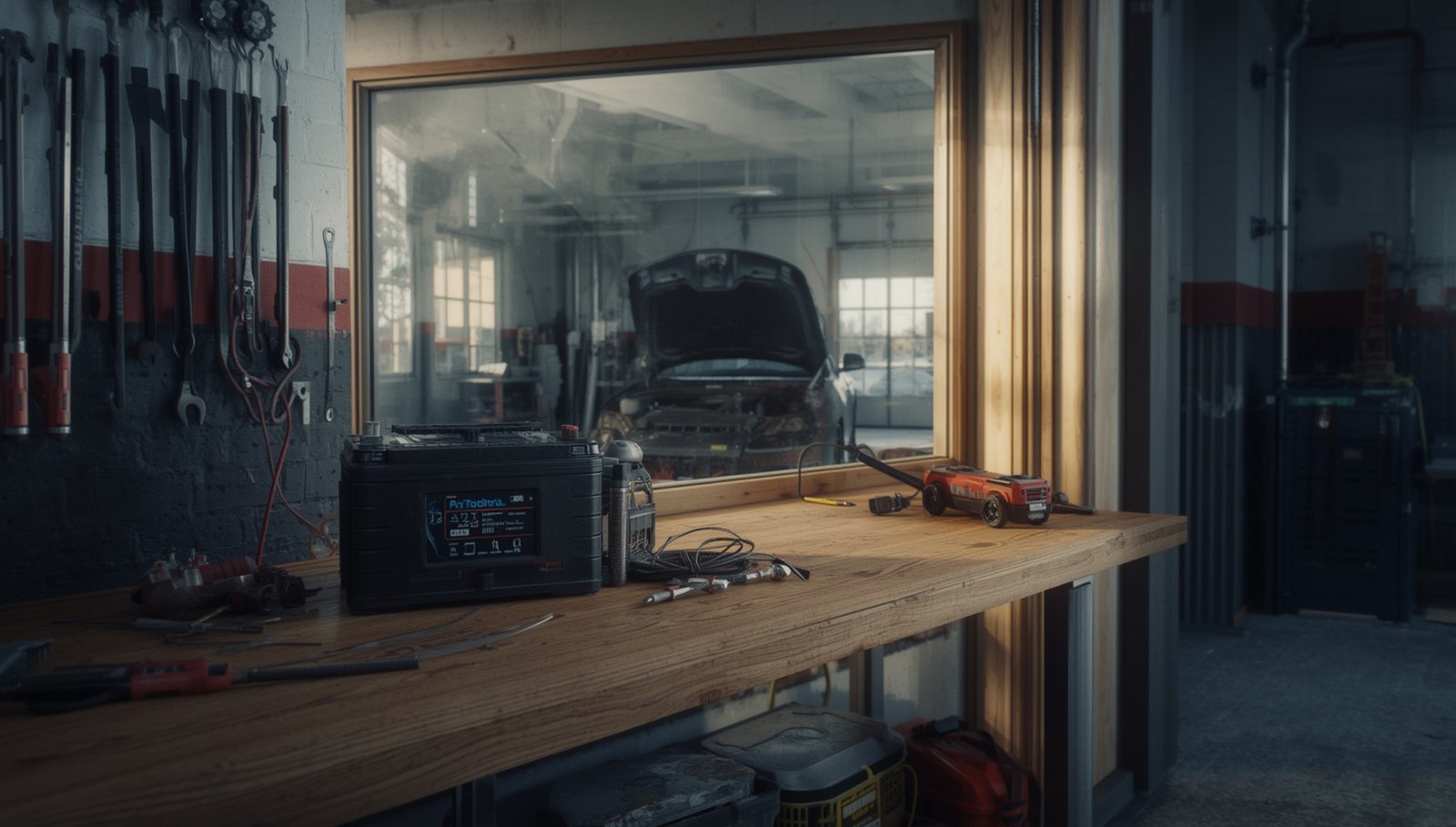
Why is testing your own battery so valuable? A battery can fail with almost no notice—often while running late or far from home. But most battery problems start small. The right car battery tester lets you catch a weak battery before it strands you, possibly even before any dashboard warning lights appear. For renters and homeowners who rely on older vehicles or want to keep their cars reliable on a budget, a tester quickly pays for itself. This isn’t just about vehicles sitting all winter; even new batteries sometimes fail.
Today’s car battery testers aren’t just fancy multimeters. Digital battery testers offer easy-to-read results, automated health reports, and smartphone integration. Many are designed for lead-acid, AGM, or even newer lithium-ion batteries, so you can trust them for older trucks, family cars, and even some garden equipment. The DIY segment makes up over 70% of car battery tester sales, thanks to their plug-and-play designs and reliable results. See more on the competitive segment.
In short, if you can use a flashlight and follow step-by-step instructions, you can use a modern car battery tester without drama—and possibly stop an expensive repair before it starts.
How to Use a Car Battery Tester: Step-by-Step Guide
This guide is for beginners or intermediate DIYers. You don’t need any special auto training, but you will be using some basic protective gear and safety steps to stay safe around your car’s electrical system.
- Gather Safety glasses and disposable gloves Gear and Prep
- Safety glasses and disposable gloves (battery acid and corrosion can irritate skin/eyes)
- Work in a well-ventilated garage or outdoors to avoid inhaling gases.
- Turn off ignition and all electronics. Avoid jewelry or metal watches.
- Locate Your Car’s Battery
- Most are under the hood; some are in the trunk for certain sedans and EVs. If unsure, check your owner’s manual.
- Connect the Tester Safely
- Connect the red/positive clamp to the battery’s positive (+) terminal first.
- Connect the black/negative clamp to the negative (–) terminal.
- Avoid touching the tester’s clamps together, and keep away from moving engine parts.
- Select Test Mode
- Many digital car battery testers offer two modes: a simple voltage test, or an “engine start/load test” which simulates starting stress.
- Refer to your model’s instructions. For most DIY use, the simple voltage/health test is enough.
- Read & Interpret Results
- Over 12.4V: Battery is generally healthy.
- 12.2–12.4V: Marginal; may need charging or monitoring soon.
- Under 12.2V: Battery may be failing; consider replacement or deeper testing.
- Advanced testers show CCA and internal resistance—compare to your battery’s specs.
- Finish & Clean Up
- Disconnect the negative/black clamp first, then the positive/red clamp.
- Check for corrosion or leaks; clean terminals if needed.
- Dispose of gloves safely, and store the tester in a dry spot.
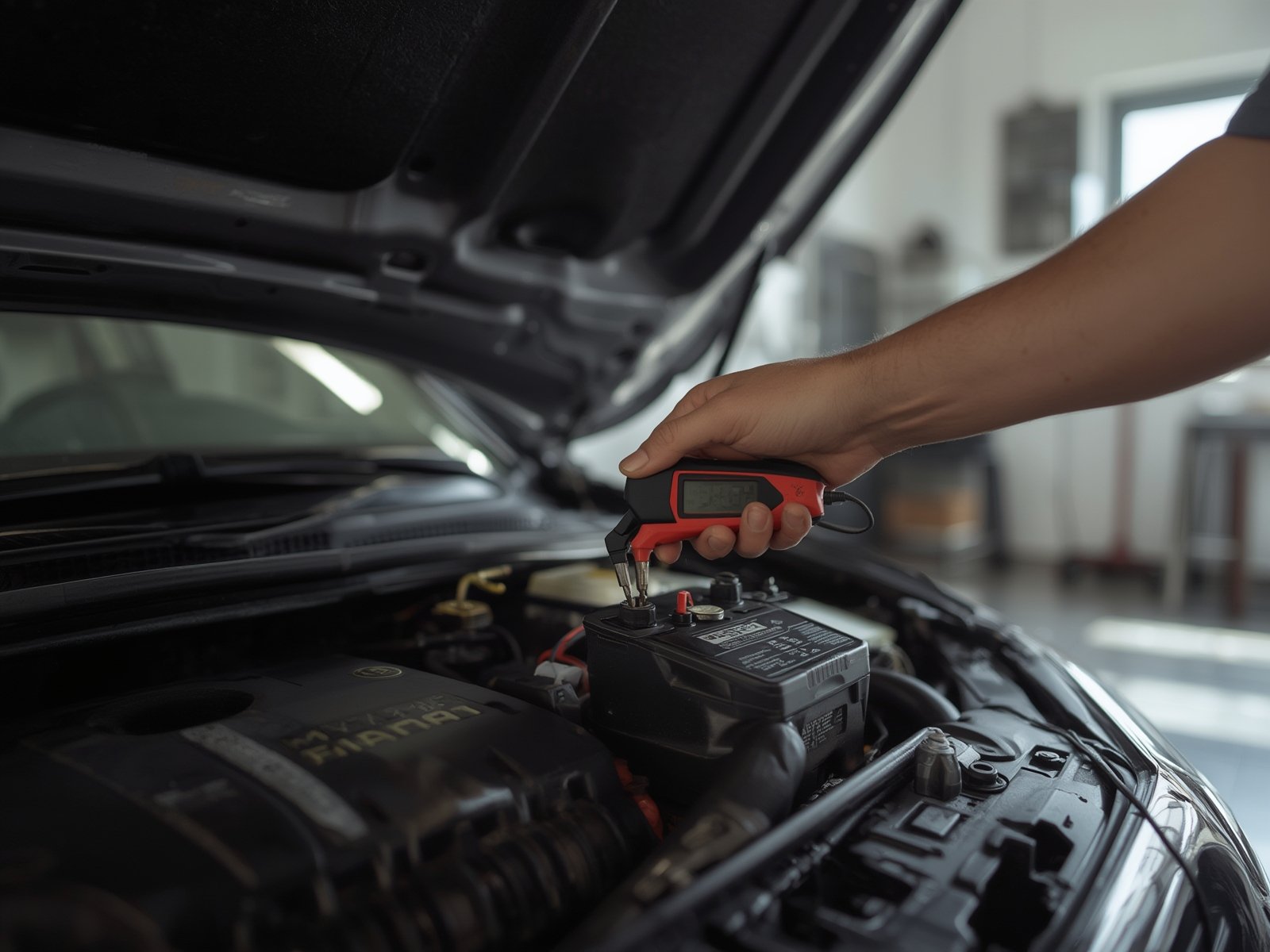
Safety reminder: If your battery case is swollen, cracked, or leaking, do not test it. Call a professional or roadside service. Handling a damaged battery can be hazardous.
After testing, if your car’s battery repeatedly shows low voltage but starts the engine, have your alternator checked too. Many testers can run a quick “charging system” check but diagnosing alternator problems fully may require a mechanic with advanced diagnostic tools.
If you’re working on other DIY automotive projects, you may also find it helpful to use tools like a mechanics tool set or ensure good visibility with an under-hood work light. These upgrades can make home auto maintenance safer and less frustrating.
Advanced Analysis & Common Pitfalls (What Can Go Wrong?)
While car battery testers sound straightforward, there are a few pitfalls and technical limits to be aware of before relying on DIY diagnostics:
| Tester Type | What It Diagnoses | Accuracy | Best Use Case | Common Pitfalls |
|---|---|---|---|---|
| Simple 12V Digital Tester | Voltage, general battery status | Good for basic checks | Routine monthly home checks | Can miss battery with dying cell; some show “OK” until failure |
| Battery Load Tester | Battery health under simulated load | Very accurate | Testing before winter; older batteries | Can overheat; unsafe if battery is leaking |
| Alternator Tester/Check | Charging system diagnosis | Moderate—best for basic alternator faults | Post-battery replacement, charging doubts | Easy to misread; advanced tests require pro tools |
| Smart/Digital Tester w/ Bluetooth | Battery condition, CCA, more | High if model is quality | Frequent testers; multi-car households | Connectivity/app can be buggy; higher upfront cost |
Other common pitfalls:
- Misreading results: Some testers will say “OK” if a failing battery is fully charged but still dying internally. Always compare CCA and resistance with spec values.
- Accidentally shorting connections: Rushing the connection process can cause sparks, especially if you touch the metal clamps together or wear jewelry.
- Testing damaged or frozen 12V lead-acid batteries: DIY testing is not safe for batteries that show visible damage, leaking fluid, or have been exposed to freezing temperatures—call a professional instead.
- Relying on one test: If you consistently have trouble starting but your tester says “good,” take your car to a mechanic for deeper analysis.
- Buying very cheap testers: Models under $20 often miss important diagnostics. Invest in a reputable tester; digital and smart testers are worth the extra cost for better accuracy.
For next-level DIY work, consider pairing your tester with essential power drill kits or upgrading your garage workspace with a mobile prep island to keep tools organized during repairs.

Conclusion: Should You Buy a Car Battery Tester for Your Home?
The rise of DIY car battery testing is grounded in real savings and reliability. Today’s digital, smart-enabled testers make it possible for almost anyone to check their own vehicle’s battery with confidence—and most models are safe and easy with just a few precautions. Having a car battery tester on hand means you’re less likely to be caught off guard or pay for unnecessary battery replacements from shops upselling on fear.
Ready to add this tool to your DIY kit? Choose a digital, Bluetooth, or app-integrated tester from a trusted brand for the best mix of convenience and accuracy. Review battery health every few months, especially before long trips, winter, or if your vehicle sits unused for extended periods.
Who this is best for:
- Beginner or intermediate DIYers and anyone tired of surprise breakdowns or costly mechanic “diagnostics”
- Renter or homeowner with at least one car (especially 5+ years old)
- Budget-conscious families wanting peace of mind before road travel
Who should skip it:
- Anyone uncomfortable working around batteries—hire a pro if you see battery leaks, swelling, or severe corrosion
- Those with new cars still under full warranty may want to rely on dealer checks
For more advanced or electric vehicle charging needs, check out our smart charging station guide. And if you’re upgrading your DIY workspace, you might find a slim ladder bookshelf handy for storing other small auto tools.
FAQ
Can a car battery tester damage my vehicle if used incorrectly?
A quality tester used as instructed is safe. However, shorting clamps, connecting to a leaking or damaged battery, or testing while the car is running can cause sparks or damage. Always follow the manual and use protective gear.
What is the difference between a battery load tester and a regular car battery tester?
A load tester simulates engine starting, measuring how the battery performs under stress. Regular digital testers read voltage and internal resistance but may not spot issues that only show under heavy load. Load testing is more accurate but not always needed for quick checks. Learn more.
How often should I use a car battery tester at home?
Test seasonally (every three months), before long trips, and after your car sits unused for over a week. New batteries can still degrade quickly if exposed to extreme heat or cold.
Does a car battery tester work for hybrid or EV batteries?
Most affordable home testers are designed for 12V lead-acid batteries that power accessories in hybrids and EVs—not the main high-voltage batteries. Specialized tools are required for full battery pack diagnostics.
Why do some testers say my battery is OK, but my car still won’t start?
Testers may miss a battery with an intermittent internal fault, dying cell, or a failing alternator. If you have regular starting trouble but your tester says “good,” seek professional diagnosis.
[…] more comprehensive car DIY toolkit, see our CRAFTSMAN Mechanics Tool Set review and check out this Car Battery Tester home guide for an extra diagnostic […]