
Catios are gaining popularity among cat owners who want to let their cats enjoy the outdoors safely. Yet, setting one up involves more than just fencing off a corner—cost, build difficulty, and safety concerns all come into play. Here’s what you need to know before investing in or building a catio, with step-by-step actions, market insights, and honest advice.
Key Takeaways
- The catio market is rapidly growing, reflecting a major shift in how people prioritize cat safety and enrichment.
- Success with catios depends on planning for safety, cost, and local regulations—pitfalls are common among first-timers.
- Not all catios are created equal; build quality, durability, and user experience vary widely, so compare before you commit.
The Core Concept
Catios—outdoor enclosures for cats—provide the best of both worlds: sunshine, fresh air, and stimulation for your cat, minus the dangers of roaming loose. These structures range from small window boxes to elaborate backyard “cat mansions.” Their demand is surging for good reason: studies show indoor-outdoor enrichment reduces boredom, prevents destructive behavior, and protects wildlife. The catio segment of the pet market is expected to reach $1.02 billion by 2033, up from $425 million in 2024, with continued strong growth driven by pet humanization and urban living trends (source).
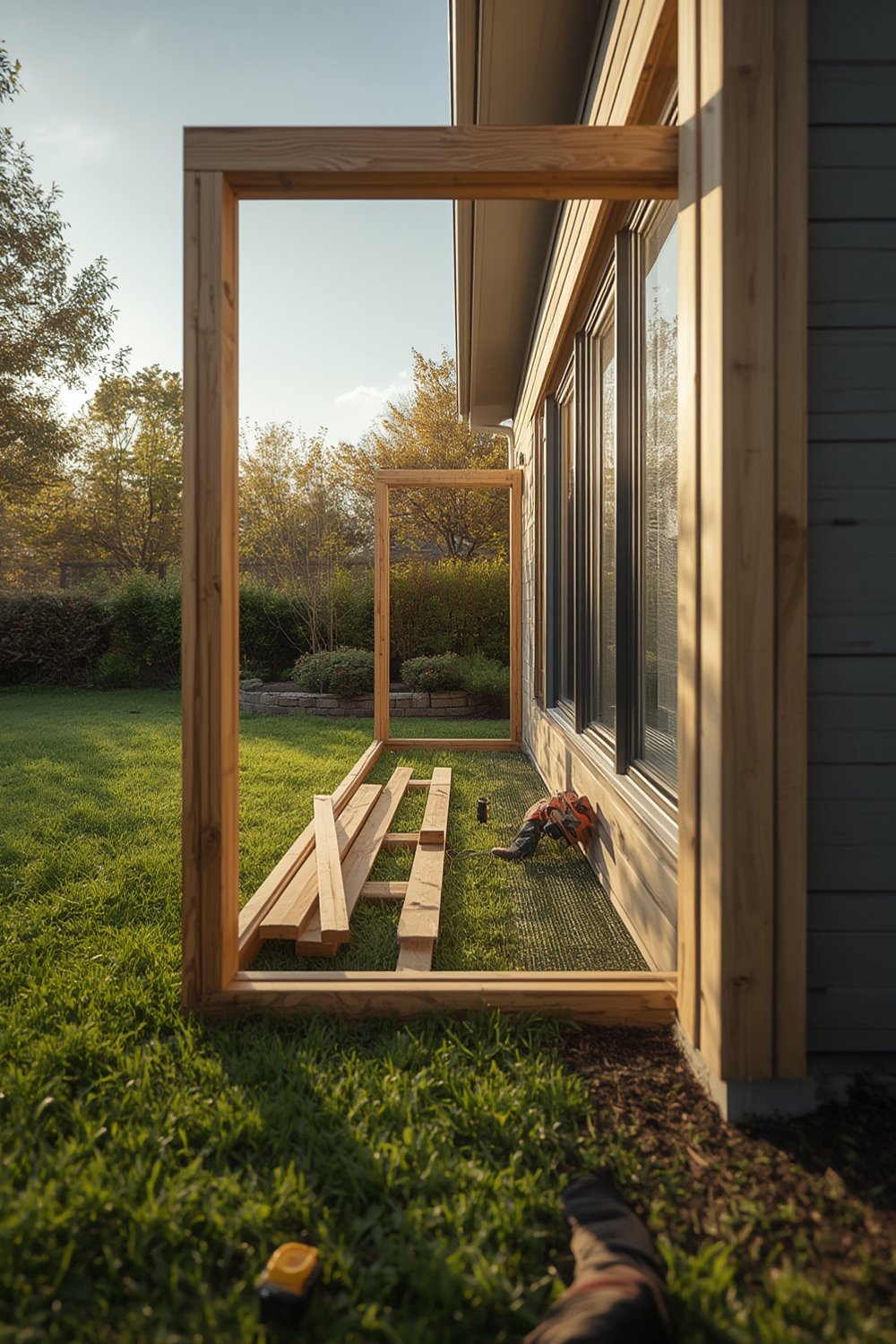
For apartment dwellers, a secure catio might mean mounting a box unit outside a window. Homeowners have options for tunnels, patios, or even entire screened playgrounds. As interest has grown, so have the types and features available. Some catios can be assembled yourself with basic tools, while others demand professional installation. The thriving cat pet accessories market (projected to top $3.7 billion by 2030) reflects this broader trend.
Step-by-Step Guide
Building or buying the right catio is straightforward if you follow a methodical process. Here’s how to avoid common mistakes and ensure your catio stands the test of time—while keeping both your cat and wallet safe.
- Assess Your Needs.
- Decide on a window box, balcony catio, or freestanding structure. For apartments or smaller spaces, window boxes and compact enclosures are usually best. Larger yards can accommodate tunnels or “cat patios.”
- Sketch out your space and plan where your cat will safely enter and exit the enclosure.
- Check Local Rules and Regulations.
- Investigate whether your HOA, landlord, or city requires permits. Some towns have restrictions against exterior animal structures, and apartment complexes may ban window installations.
- If in California, see our deep-dive on ADU construction rules—some compliance overlaps with freestanding catios.
- Set a Realistic Budget.
- Basic DIY window catios can run $40–$120, using simple wood and hardware.
- Kit-based large enclosures or custom builds often range from $250 to well over $2,000, depending on materials and features.
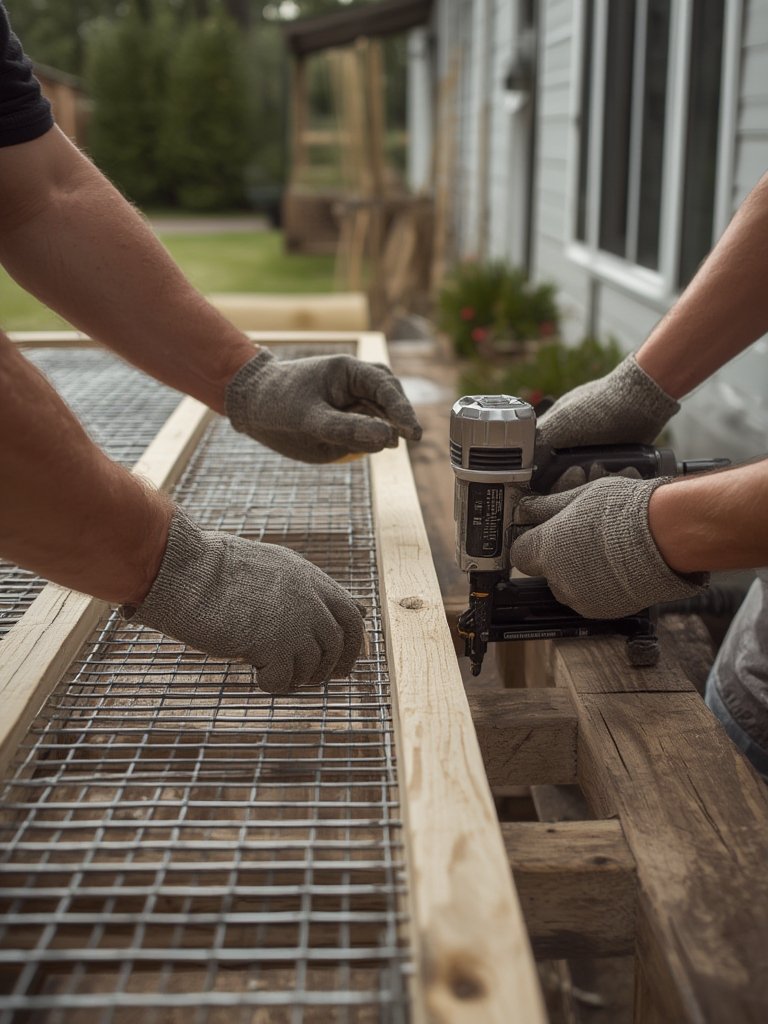
- Account for tools, fasteners, sealants, and secure mesh—do not skimp here, since tough mesh is critical for preventing cat escape.
- Source Materials or Choose a Kit.
- For DIY, choose rot-resistant wood and UV-stable mesh. Galvanized wire is far superior to plastic mesh for weather and claw durability.
- Compare pre-made kits online—read reviews, especially about ease of assembly, hardware quality, and included instructions. For genuinely user-tested gear, see our take on outdoor planters like the Kante lightweight concrete planter for structural support ideas.
- Prepare and Install.
- Follow instructions, measuring as you go. Anchor securely to your house or balcony—loose fastenings cause most escape incidents.
- Ensure there is no gap larger than 1.5 inches anywhere in the structure, especially at doors and corners.
- Enrich and Test Drive.
- Add shelves, ramps and weather-resistant toys. Consider self-watering outdoor planters like the Pure Garden planter to keep cat-friendly herbs nearby for sniffing.
- Observe your cat’s first explorations inside. Watch for gaps, snag points or signs of anxiety. Make adjustments before leaving your cat unsupervised.
Maximize your existing outdoor space with multi-use features. For example, mobile furniture solutions—like standing desks on wheels—can be adapted as temporary weather barriers or platforms for cats to climb inside the catio.
For a safer and more weather-resistant catio, add UV-blocking sheeting or a simple roof. In wet climates, partial covers keep litter dry and your cat more likely to use the space year-round.
Advanced Analysis & Common Pitfalls
Most catio failures are entirely preventable—yet they happen frequently. Here’s what our research and the growing outdoor cat enclosure market suggests:
| Pitfall | Description | Prevention Strategy |
|---|---|---|
| Cost Overruns | Underestimating total material costs, which frequently double during DIY attempts. | Plan a detailed budget, allow for 20% overage, and buy quality hardware in bulk. |
| Escape Incidents | Improperly secured mesh, loose doors, or weak roof supports allow cat escape or injury. | Triple-check installation points, use locking latches, and reinforce corners and seams. |
| Durability Failures | Cheap mesh and untreated wood rot quickly or break under stress, risking collapse or predator entry. | Invest in galvanized steel mesh, rot-proof lumber, and weatherproof fasteners. |
| Regulations and Red Tape | HOA and city regulations can block or force removal of unapproved catios. | Get all approvals before building; check for any required permits or neighbor agreements. |
| Insufficient Enrichment | A bare, box-like catio discourages use and can cause stress or boredom. | Add vertical space, scratching posts, weatherproof shelves, and natural vegetation. |
According to recent industry research, global cat ownership is outpacing dog ownership growth, especially in urban areas—fueling both demand and heightened scrutiny about pet safety (find full report). Still, the majority of user reviews reference similar issues: incomplete assembly instructions, off-gassing from cheap plastics, and mesh that stretches after a year or two outside. Set realistic expectations and plan for annual maintenance if you want your catio to last.
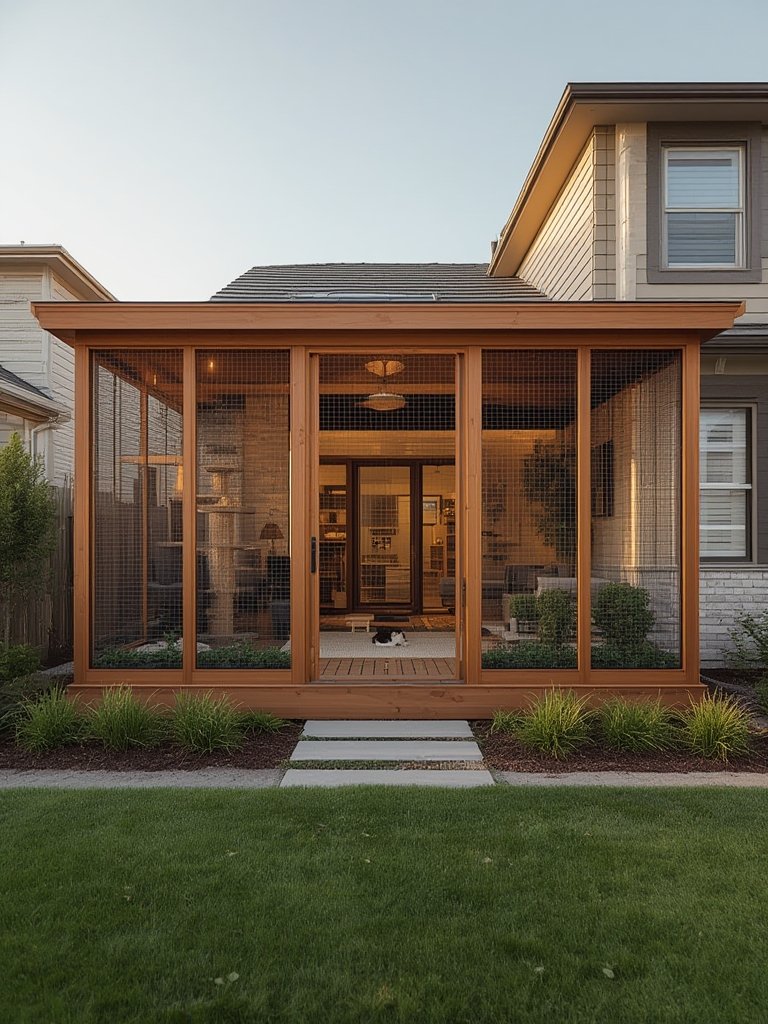
Want versatility? Consider integrating storage or planter features for a multi-purpose outdoor area. Review-tested products like the VASAGLE farmhouse storage bench or compact wood console tables double as sturdy cat platforms and human seating for shared enjoyment of your outdoor space.
Conclusion
If you prioritize safety, realistic expectations, and a thoughtful approach, success with catios is more than possible—it’s likely. As the market surges past the $1 billion mark and more cats are embraced as true family members, catios stand out as a smart solution for indoor enrichment and outdoor adventure. Weigh the pros, plan your build, and give your feline friend what they crave safely. Ready to get started? Explore our links above for more ideas and go create a catio your cat will actually use.
FAQ
Do catios really keep cats safe from predators and escape?
When built correctly with sturdy mesh and secure latches, catios provide excellent protection. Always check for weak spots and avoid leaving cats outside in severe weather or overnight unsupervised.
Does a catio require a permit or special approval?
This depends on local laws and your building type. Apartment dwellers or HOA communities commonly need approval. Always check before building to avoid fines or forced removal.
How do I choose the right size and design for my space?
Start by measuring the available area and sketching a basic design. Cats appreciate vertical space and secure perches. Choose a model that offers both, and review customer photos for inspiration.
What’s the typical cost for a DIY catio versus a pre-made kit?
DIY kits can start as low as $40–$120 for window units, while larger custom or kit-based catios may range from $400 to over $2,000. Kits generally cost more but save time and effort.
How can I make my catio more enjoyable for my cat?
Add ramps, shelves, greenery, and weather-resistant toys. Rotate features to keep things interesting and observe your cat’s behavior to fine-tune your setup over time.
[…] multi-pet homes, consider pairing your PuraMax with a catio or window enclosure to reduce outdoor dust and keep your litter area safer. If you’re upgrading your space, check out […]
[…] Paw-Safe Surfaces Select grass, turf, mulch, or pavers designed for dogs. Catios and safe enclosures offer inspiration for multi-pet households. Avoid cocoa mulch, sago palm, azalea, and lilies, which […]
[…] in corners or around sensors. Monitor for excess litter tracking outside the box and consider a cat-safe mat for added […]
[…] Catios: Cat-Safe Outdoor Solutions […]
[…] see our review of PuraMax self cleaning litter box or if you’re planning a catio, our catio building guide is made for safe outdoor […]
[…] is also smart: rotating displays such as a farmhouse storage bench, mini “pocket forest”, or enclosed cat-friendly patio can help avoid crowding, which breeds pests and reduces plant […]
[…] Comfort and enrichment are key—wipes should never aggravate stress, allergies, or cause panic, but instead support a gentle daily care routine. For further enrichment ideas, check out our guide on dog enrichment toys or explore ways to create safe outdoor spaces in our catio building guide. […]
[…] outdoor or easily-stressed cats, consider pairing these sessions with time in a safe catio or after using gentle, hypoallergenic pet wipes to refresh your cat. Always focus on positive […]