
### Blog Post:
Dog enrichment toys are some of the most effective tools urban dog owners have to channel excess energy, reduce boredom, and prevent destructive habits indoors. With limited outdoor space and rising awareness around canine mental health, these toys are one of the fastest growing product categories in the pet care landscape. If you’re tired of chewed slippers and restless nights, understanding how enrichment toys work—plus how to pick the right ones—is essential.
Key Takeaways
- The global dog enrichment puzzle toy market hit USD 1.21 billion in 2024, fueled by urban households seeking mental stimulation tools for their dogs. [Source]
- Durable construction, safety features, and the right level of complexity are critical features when choosing the best dog enrichment toys for city dogs.
- Many enrichment toys promise a lot but do not always deliver; understanding common pitfalls and choosing wisely prevents wasted money and frustrated pets.
- What Are Dog Enrichment Toys and Why Do They Matter in Urban Living?
- How to Choose and Use Dog Enrichment Toys: Step-by-Step Guide
- Advanced Analysis—Common Pitfalls and Real-World Problems
- Conclusion
- Frequently Asked Questions
What Are Dog Enrichment Toys and Why Do They Matter in Urban Living?
Dog enrichment toys are specialized products designed to challenge a dog’s mind, encourage problem-solving, and tap into natural instincts like sniffing and foraging. They include puzzle feeders, treat dispensers, and interactive toys—especially useful for city dwellers who lack access to expansive outdoor spaces.
The market for these toys is exploding: By 2024, the global dog enrichment puzzle toy market reached USD 1.21 billion, with nearly half of interactive dog toy sales coming from urban areas. [Source] This trend is driven by rising numbers of city pets and a shift towards “pet humanization,” where owners seek ways to keep their dogs occupied, happy, and less anxious indoors.
Urban dogs often have pent-up energy and fewer opportunities for natural canine behaviors. Enrichment toys fill this gap and support both physical and mental well-being. However, not all toys are created equal—dogs need sturdy, stimulating, and safe options that stand up to regular use.

How to Choose and Use Dog Enrichment Toys: Step-by-Step Guide
Finding the right dog enrichment toy, and using it effectively, isn’t complicated—but it does require strategy and observation. Here’s a clear, actionable process for city pet parents:
-
Assess Your Dog’s Needs and Play Style.
- Start by considering your dog’s age, breed, energy level, natural instincts, and chewing strength. Are they a power chewers? Do they love problem-solving or just food?
- Diet and digestive health can affect motivation—select a puzzle toy that can deliver your dog’s favorite snacks or even probiotic treats.
-
Choose the Right Toy Construction and Difficulty Level.
- Look for products made from thick rubber or reinforced plastic; avoid toys that can be easily destroyed or chewed into unsafe pieces.
- Urban owners and professional trainers prioritize complexity—compartments, sliding doors, and treat traps challenge the mind, not just the jaws.
- Popular brands may advertise “indestructibility,” but always double-check real-world reviews, especially for use by large dogs or aggressive chewers.
-
Rotate Toys to Maintain Novelty.
- Just like humans get bored, so do dogs. Keep a few different toys in rotation to keep interest high and extend product life.
-
Supervise Early Play Sessions.
- Especially with new toys, supervise to ensure safe chewing, no frustration, and to prevent accidents with small or hard-to-clean parts.
- If your dog gets stuck or seems uninterested, offer praise and guidance, or swap for a simpler toy as needed.
-
Establish a Routine.
- Use enrichment toys at predictable times—right before you leave for work, during quiet evenings, or when bad weather hits.
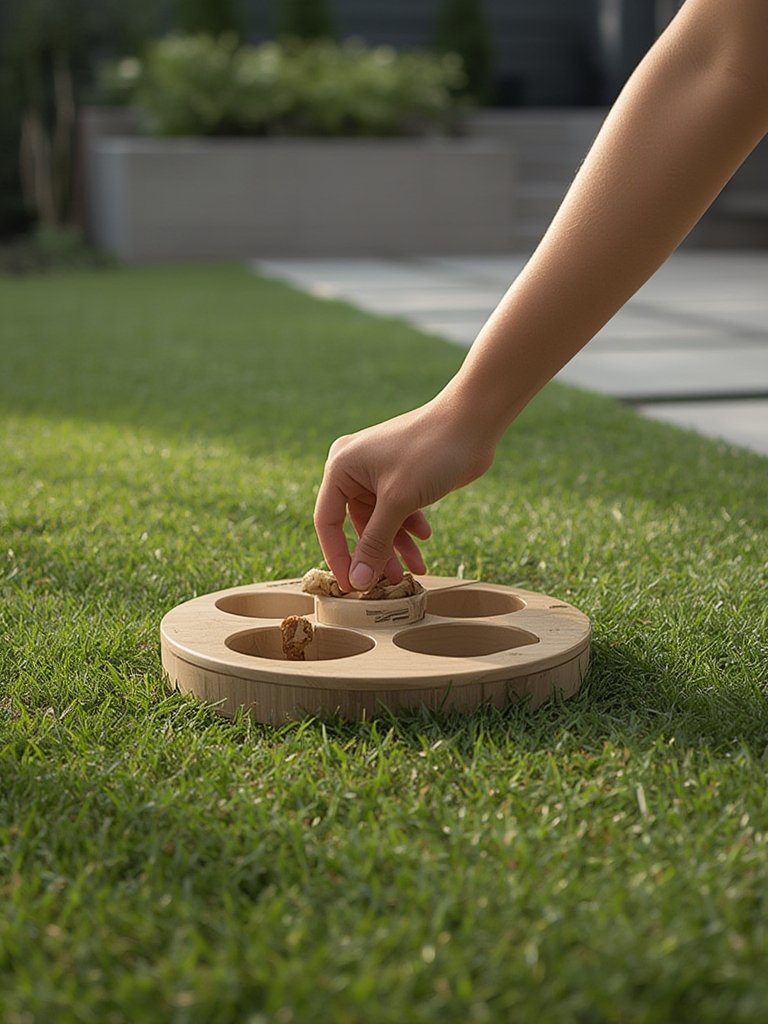
For an indoor-friendly approach, combine enrichment toys with space-saving home upgrades. Adding a durable, washable rug creates a comfy play area and makes clean-up easier after treat-dispensing toys. For pet parents thinking bigger, read about dog-friendly landscape ideas in our pet landscaping guide.
Advanced Analysis—Common Pitfalls and Real-World Problems
Dog enrichment toys are rarely a magic fix. Even the best options come with trade-offs, especially in busy urban homes. Here are the most common challenges and where owners go wrong:
- Toy is Too Hard or Too Easy: If a puzzle feeder is too complex, dogs can become frustrated and give up—too simple, and they lose interest almost instantly. Observe playtime and adjust.
- Not Durable Enough for Large or Strong Dogs: Many toys on the market claim robustness, but cheap plastics and thin rubber fail under powerful jaws. Urban owners—especially of large breeds—should prioritize heavy-duty construction and thick, chew-proof materials, as noted in recent studies. [Source]
- Cleanliness and Hygiene: Indoor living demands easy-to-clean toys. Treat toys with intricate grooves or non-removable inserts are a cleaning nightmare and can harbor bacteria. Opt for dishwasher-safe or simple dishwasher-friendly designs.
- Noise Pollution: Hard plastic treat balls or interactive toys can create a lot of noise on hardwood or tile floors—annoying for both neighbors and owners. Look for non-slip bases or play on padded surfaces like rugs.
- Mistaking “Puzzle” for “Chew” Toys: Not all enrichment toys are intended for vigorous chewing. Allowing unsupervised power chewers access to puzzle toys not rated for that use leads to torn-up pieces, ingestion risks, and wasted money.
- Lack of Supervision: Letting your dog play unsupervised with a new challenge toy increases the risk of frustration, breakage, or accidents. Always monitor the first few sessions.
| Pitfall | What Happens | How to Prevent |
|---|---|---|
| Toys destroyed quickly | Sharp splinters, mess, wasted money | Select thick rubber/reinforced plastic. Choose reviewer-tested brands. |
| Toy is too challenging | Dog loses interest, acts frustrated | Start easy, gradually increase complexity. |
| Difficult to clean | Odor, bacteria growth indoors | Dishwasher-safe, simple shapes, washable rugs below play area. |
| Toys too noisy | Disturbs in apartments/hard floors | Seek non-slip, rubberized designs and soft play surfaces. |
Still choosing between smart gadgets and traditional puzzle feeders? Explore our smart pet feeder guide to learn how technology can help automate enrichment and portion control in busy city life.
Conclusion
In dense urban living, the right dog enrichment toy isn’t just a luxury—it’s a tool for happier, less destructive pets. Start by understanding your dog’s unique needs, choose toys with durable and safe construction, and establish healthy playtime routines. Remember, even the most popular dog enrichment toys have downsides, so always supervise and rotate for continued interest.
If you want a healthier, calmer dog and a home free from chewed-up shoes, invest wisely in dog enrichment toys—your dog (and your furniture) will thank you for it. Start your search today and elevate your indoor pet life.
Frequently Asked Questions
What are the best materials for dog enrichment toys for aggressive chewers?
Look for toys made from thick, reinforced rubber or hard nylon. Avoid thin plastics or soft silicones, which can break apart and pose a choking hazard. Toys designed for “power chewers” generally stand up best over time.
How often should I rotate my dog’s enrichment toys?
Rotate toys every 2-3 days to keep novelty high and ensure your dog stays mentally stimulated. Having 3-4 toys in a routine rotation is usually sufficient.
Can enrichment toys help with separation anxiety?
Yes, using puzzle feeders and treat dispensers right before leaving helps distract and calm anxious dogs. However, severe separation anxiety may require additional interventions—always consult your vet or trainer if you’re unsure.
What should I avoid when buying interactive dog toys for my apartment?
Avoid toys that are too noisy or have small removable parts. Prioritize non-slip bases to prevent toys sliding on hard floors and waking neighbors. Choose easy-to-clean toys to maintain hygiene in tight quarters.
Where can I learn more about safe pet spaces or related pet products?
Check our guides on pet-friendly landscaping and CBD for pets for deeper dives into products that support modern urban pet lifestyles.
—
[…] Not all donut dog beds will fit every home or pet. Owners with multiple pets or very large breeds may wish to consider wraparound or bolster-style beds as an alternative, especially if sharing or stretching is common in your household. For a deeper dive into enriching your dog’s daily life, check out our guide to dog enrichment toys. […]
[…] instead support a gentle daily care routine. For further enrichment ideas, check out our guide on dog enrichment toys or explore ways to create safe outdoor spaces in our catio building […]