

### Blog Post:
When it comes to pet wellness in 2024, dog probiotics are at the heart of many daily routines for caring owners. Digestive and immune support supplements promise a healthier, happier dog, but what actually works, is it worth the price, and where might things go wrong? Here’s a realistic look at what’s changing in the world of dog probiotics and how to make smart choices for your dog’s gut health.
Key Takeaways
- The dog probiotic market is growing rapidly, but there are few independent studies and little clarity on product differences.
- Dog owners buy probiotics for digestion and immunity, yet product formats and quality vary—there’s little price transparency or standardization.
- Prebiotic innovation, probiotic strain differences, and long-term safety are still underreported, giving buyers limited decision data.
- Dog Probiotics: Core Concept and Why They Matter
- Step-by-Step Guide to Choosing Dog Probiotics
- Advanced Analysis & Common Pitfalls
- Conclusion
- FAQ: Dog Probiotics
Dog Probiotics: Core Concept and Why They Matter
Dog probiotics are live bacteria supplements intended to support your dog’s gut flora and contribute to digestive and immune system health. With an estimated 45.5% of US households owning dogs and pet supplement sales rising over 20% in 2023, these products are no longer fringe. As more North American and urban pet owners prioritize “natural” or “functional” nutrition, probiotics and digestive supplements have become a mainstream wellness tool. The market for dog probiotic supplements alone hit $467.3 million in 2024, with projections of $1.06 billion by 2035.[1]

The draw is simple: better digestion, firmer stool, reduced allergy and skin complaints, and an immune system boost. Supplements come in powders, chewables, capsules—even prebiotic treats—each offering convenience or bioavailability, but with minimal clinical backing. Pet owners use them for wellness and “antibiotic-alternative” reasons, even as scientific reviews show a lack of consensus on which strains, doses, or formats really matter.[3]
Step-by-Step Guide to Choosing Dog Probiotics
Buying a dog probiotic requires more than grabbing the bottle with the shiniest label. Follow these steps to improve your chances of truly supporting your dog’s digestive health:
- Clarify your goal.
- Is your main concern diarrhea? Immunity? Antibiotic recovery? Select formulas that claim your specific goal. Be skeptical; vet recommendations carry more weight.
- Check ingredient transparency.
- Look for blended supplements with both probiotics and prebiotics (the food for probiotics). High-quality products list specific strains (like Lactobacillus acidophilus).
- Evaluate format for your lifestyle.
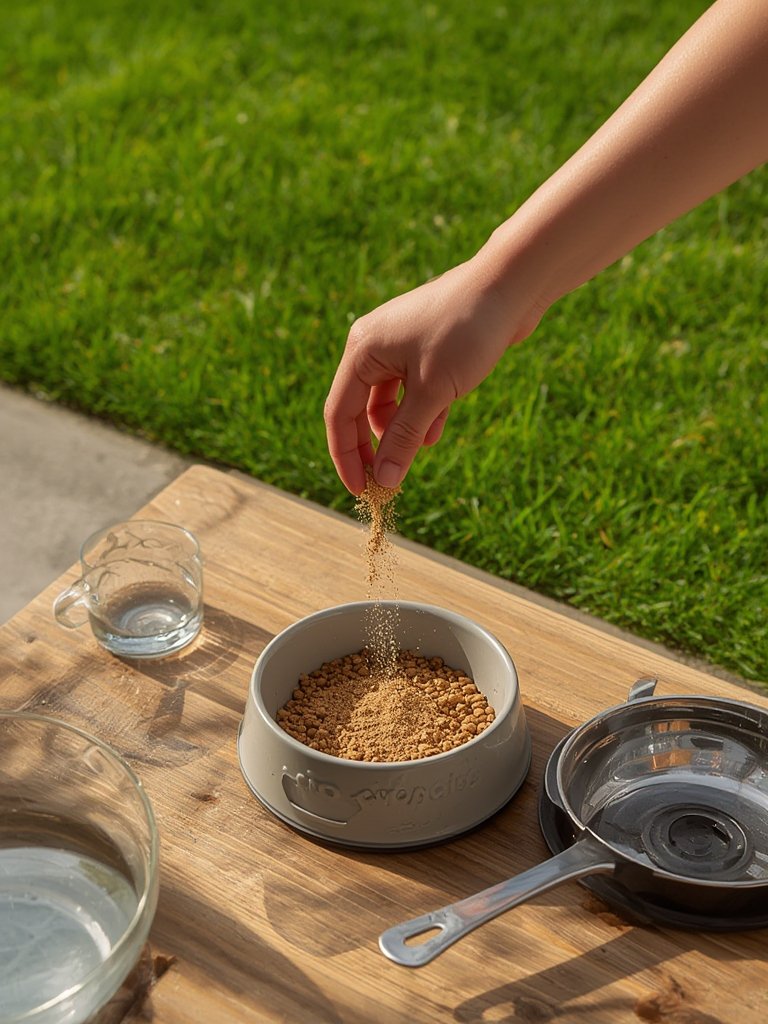
- Chewables are easiest for most owners—it’s the biggest segment. But powders and liquids may offer higher bioavailability for dogs with allergies or very sensitive guts.[1]
- Look for credible vet backing—or scientific plausibility.
- Although no recent clinical trials confirm which dog probiotics are most effective, seek out brands that mention veterinary formulation or cite advances in gut health research.[1]
- Start slow and monitor results.
- Introduce the supplement gradually and watch for any digestive upset or changes in stool. Discontinue if negative reactions appear, since every dog’s gut is different.
If you’re designing a pet-friendly home and want to maximize your dog’s comfort, check out our guide to dog friendly landscaping—gut health and the environment work together for total wellness.
Want to keep up with natural pet trends? Explore how CBD for pets is complementing probiotics and prebiotics for behavioral and physical health support.
Advanced Analysis & Common Pitfalls
Even as the market for dog probiotics balloons, there are hidden risks and industry problems. Here’s what usually goes wrong—and what science and real-life insights reveal:
- No standardized dosing or clinical backing: Major 2024 reports agree that published ingredient lists, CFU counts, and claimed benefits are rarely supported by rigorous, independent studies.[1]
- No consensus on “effective” strains: Pet probiotics still borrow heavily from human supplement research. Leading brands do not disclose meaningful differences in strains or formulation, leaving dog owners to guess.
- No visibility into costs or real results: Brands rarely publish monthly or annual cost data. Chewables dominate, but there’s no reliable cost-per-dose guideline or quality comparison across powders, capsules, and liquids.
| Format | Pros | Cons |
|---|---|---|
| Chewables | Easy dosing, high compliance, widely available | May contain fillers, flavorings, cost can be high |
| Capsules/Tablets | Measured dose, can hide in food, less sugar | Difficult for picky dogs, less “treat-like” |
| Powders | Custom dosing, blends easily into meals | Potency can degrade if not stored properly |
| Liquids | Fast absorption, best for dogs with GI issues | Shorter shelf life, dosing errors possible |
Most owner complaints are not systematically reported, but look out for:
- Mild digestive upset (gas, temporary diarrhea) during introduction
- No noticeable effect—many owners report no visible change, even after several weeks
- Allergic reactions to additives in flavored chewables or treats
Few resources break down ingredient differences, prebiotic innovations, or how to assess product quality—making for an often confusing buying process. For inspiration on investing in upgrades for pets and people alike, see our Blueair air purifier review for ways to improve your whole living environment.
If you’re balancing home improvements and premium pet care, our reviews on essentials like the lift-up storage bed and lift-top coffee table can help you maximize space for pet and person in any room.

Conclusion
Dog probiotics hold promise for digestive and immune health—but the market is growing faster than clinical evidence or product clarity. With chewables, powders, and liquids flooding store shelves, owners should look for ingredient transparency and gradual testing rather than fall for generic marketing. Always consult your vet before starting dog probiotics, especially if your dog has special health conditions. Ready to support your dog’s gut health? Start by choosing a solution that works for both your daily routine and your dog’s needs—and double-check credibility before you buy.
FAQ: Dog Probiotics
Do vets recommend dog probiotics?
Vets increasingly suggest probiotics for dogs with chronic digestive issues, antibiotic recovery, or immunity needs—but most recommend using brands with disclosed strains. Always check with your veterinarian first.
How long does it take to see results from dog probiotics?
Some dogs show changes in stool and digestion within a week, but others may take a month or longer. If you see no effect after 4-6 weeks, another product or approach may be needed.
Are there risks or side effects to dog probiotics?
Most dogs tolerate probiotics well, but mild gas or diarrhea can occur during the first days. Rarely, dogs with immune conditions or allergies may have negative reactions—stop use and consult a vet if this happens.
What’s the difference between prebiotics and dog probiotics?
Probiotics are live bacteria that benefit the gut, while prebiotics are fibers or compounds that feed those bacteria. Many effective supplements combine both for best results.
How should I choose between chewables, powders, and liquids?
Chewables are convenient and palatable for most dogs. Powders or liquids may suit dogs with allergies or those needing custom dosages—but always ensure proper storage and dosing accuracy.
[…] Diet and digestive health can affect motivation—select a puzzle toy that can deliver your dog’s favorite snacks or even probiotic treats. […]