
Drought resistant plants are becoming essential for gardeners as water shortages make traditional landscaping unrealistic in places like California. If you’re considering a resilient, water-wise garden, you need to know what actually works, what doesn’t, and a practical way to get started.
Key Takeaways
- Severe water shortages in California are driving urgent interest in drought resistant plants over thirsty lawns or ornamentals.
- Transitioning to drought-resistant landscaping has hidden challenges, including plant selection, installation, and maintenance quirks.
- Success comes from matching the right plant to your microclimate and soil—guesswork leads to expensive failures.
The Core Concept
As water supplies shrink—California could lose up to 23 percent of its State Water Project deliveries within 20 years (source)—drought resistant plants move from “nice idea” to urgent necessity for gardeners.
These plants are species adapted to survive, and even thrive, on much less water than ordinary garden ornamentals. Some are native to dry climates, while others have evolved special traits like waxy leaves or deep roots. For homeowners, going drought resistant means less time on irrigation, lower water bills, and a garden that’s less likely to just die when water use is restricted.
Traditional lawns or tropical plants are almost impossible to keep alive without regular, heavy watering. Switching to drought resistant options is not just eco-conscious—it’s quickly becoming the only sustainable way to garden in much of the Western US.
Step-by-Step Guide
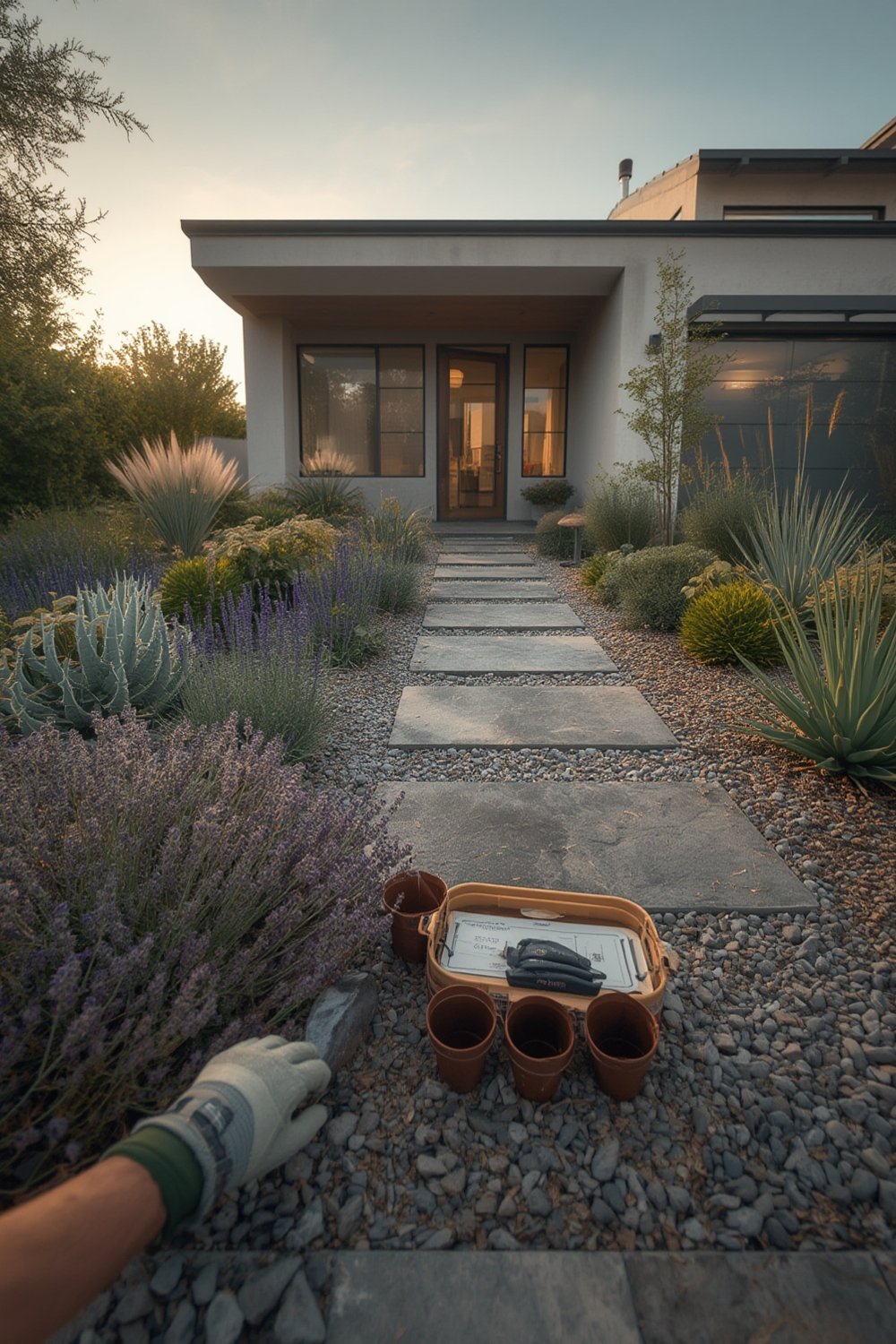
Switching to drought resistant plants is not just a matter of swapping out your old shrubs. Here’s a clear, actionable way to avoid rookie mistakes.
- Test your soil and check sun patterns. Most drought resistant plants demand sharp drainage. Heavy clay, for example, will suffocate Mediterranean species unless you amend the soil. Watch your yard through the day—a full sun spot is different from dappled shade, so choose plants accordingly.
- Pick true drought resistant plants (not just what’s trendy). Options like California fuchsia, lavender, manzanita, and blue grama grass have proven survival in low-irrigation tests. Avoid “drought-tolerant” claims for plants that still require weekly deep watering. Research actual horticultural studies and local extension guides for your region.
- Plan for irrigation upgrades. Smart irrigation controllers (see our smart irrigation system guide) let you automate and fine-tune water use—this reduces waste and maintenance headaches.
- Remove turf and amend soil wisely. Kill grass with sheet mulching or eco-friendly herbicide. Mix compost and mineral grit into planting beds as needed for quick drainage. Avoid pure sand (plants can starve if not balanced).
- Plant in clusters, then mulch. Clustered plantings mimic natural rainfall catchment. Mulch keeps roots cool and slows evaporation. Give each plant enough space for mature size to avoid crowding and fungal problems.
- Water deeply during establishment—then taper significantly. Deep root growth happens only if you saturate soil and then let it dry between irrigations. Once established (usually one year in), most plants will be fine with once or twice monthly waterings during dry periods.
- Maintain and periodically reassess. Replace casualties, prune dead wood, and adjust mulch. If you used lightweight concrete planters or modular garden beds, review drainage after rainstorms to prevent water pooling.
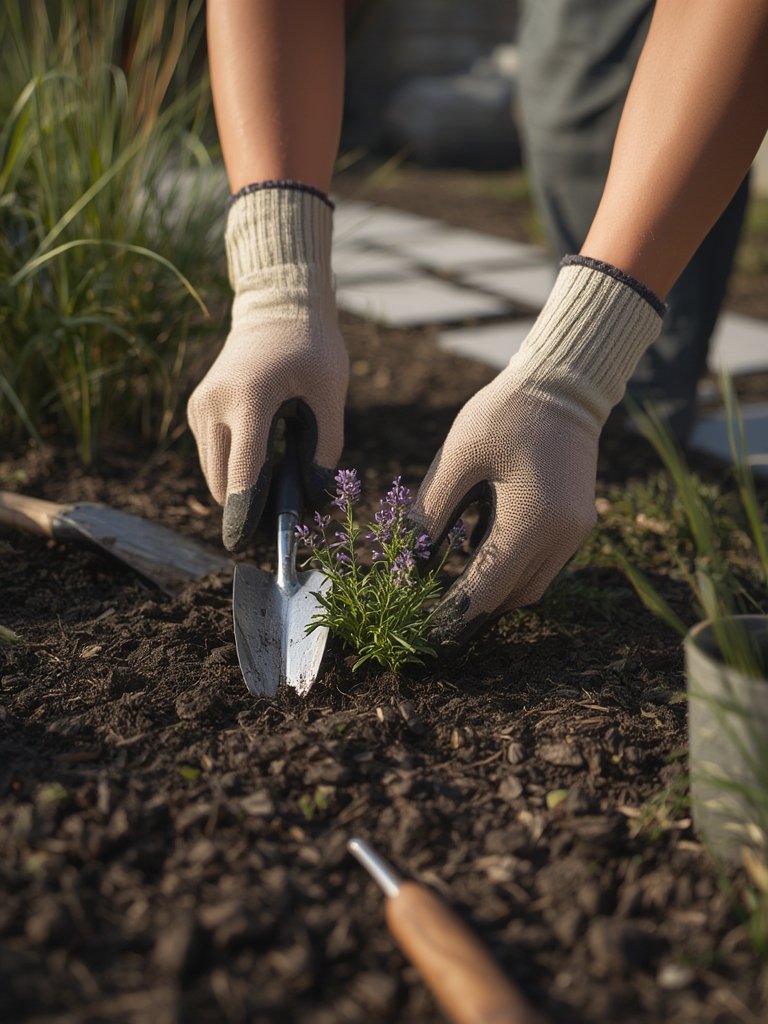
If you need moveable options for patios or balconies, our outdoor planter review covers lightweight, classic looks that work with many drought adapted species.
Advanced Analysis & Common Pitfalls
Many gardeners expect instant transformation when switching to drought resistant plants, but reality has more bumps:
- Traditional irrigation habits. People often overwater out of habit, causing root rot or stunted growth in tough species.
- Soil and site surprises. Wrong soil kills more drought plants than drought itself. Native chaparral species may die quickly when planted in heavy, fertilized garden beds rather than gritty, low-nutrient soil.
- Expecting a lawn look. “Drought lawns” rarely look like lush turf—be prepared for a patchier, more naturalistic appearance. Overplanting to compensate can cause crowding and increased disease risk.
- Mixed maintenance needs. Some drought resistant species are fast growers needing early pruning; others are slow and can get swallowed by aggressive neighbors.
- Smart irrigation misuse. Setting a smart irrigation system incorrectly blocks the water savings you’re after—double-check each zone’s plant needs and soil moisture readings (see our IoT irrigation tips).
| Plant Type | Typical Water Need* | Soil Preference | Maintenance Level |
|---|---|---|---|
| California Native (manzanita, Ceanothus) | Monthly deep soak only after year 1 | Sharp drainage, no fertilizers | Low |
| Mediterranean Shrubs (lavender, rosemary) | Twice monthly, taper in cool weather | Loose loam or sandy soil | Low to moderate (annual pruning) |
| Thirsty Lawns (cool season turf) | 2-3 times/week summer | Rich, well-fertilized | High (weekly mowing, irrigation) |
*Typical water need: guideline only. Adjust for climate and soil.
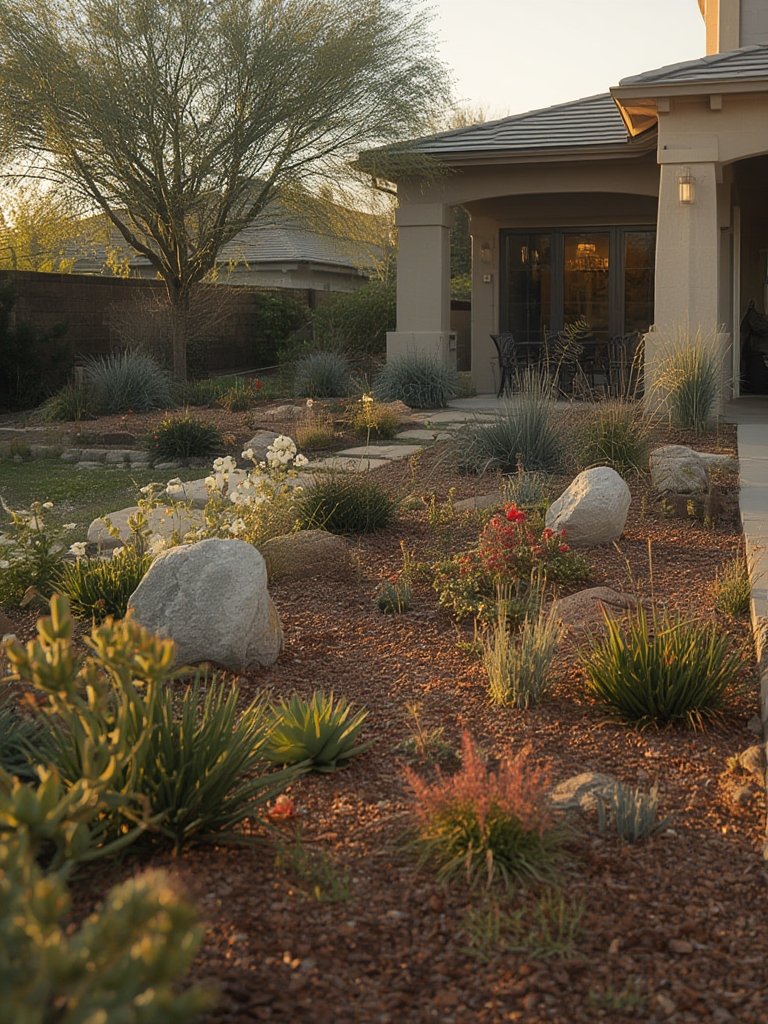
If you want to attract wildlife while reducing water, consider a pocket forest approach—dense native planting supports pollinators, birds, and soil life better than single species beds. And for those adding hardscape, our review of modern concrete look planters can help match resilient style with functional use.
California’s groundwater remains dangerously low even after wet years (see latest state report), making drought resistant landscapes the standard, not just a trend. More info: View detailed water priorities for California here.
Conclusion
Facing shrinking water supplies and stricter drought policies, the smartest move is transitioning now to gardens based on drought resistant plants. You save water, time, and worry—plus, your efforts directly help ease local shortages. Don’t make the mistake of assuming any “low water” plant will work for your soil and sun; instead, research, group your plants, and upgrade irrigation. Need resilient planters to get started? Explore outdoor planter reviews for options that fit drought-prone yards. Get started now—a successful waterwise garden is possible with honest preparation and a little upfront effort.
FAQ Section
What are the easiest drought resistant plants for beginners?
California poppy, lavender, rosemary, and yarrow require little water, tolerate poor soils, and tend to survive novice gardening mistakes.
Can drought resistant plants survive entirely without watering?
No. Most still need supplemental water, especially in the first year after planting. Once established, many can go weeks or even a month between deep soakings.
How do I know if a plant is truly drought resistant?
Look for recommendations from local Cooperative Extension or science-based sources. Avoid “drought tolerant” marketing unless it’s backed by regional survival rates or is a native species to your area.
What is the best time to plant drought resistant landscaping?
Plant in autumn or early spring when weather is cooler and rainfall is more likely—this helps new roots establish with less additional watering.
Can I use regular garden soil for drought resistant species?
Probably not. Amend heavy clay or overly rich soils with compost and mineral grit to improve drainage. Some Mediterranean and native plants need especially lean, well-draining soil to avoid root rot.
[…] Soil regeneration is a proven way to restore depleted yards, gardens, or even large agricultural plots. The approach also aligns perfectly with modern trends such as micro-forests (urban micro forest) and climate-resilient landscaping (drought resistant plants). […]
[…] Automate watering or pick drought-resistant varieties; see our drought-resistant plant guide. […]
[…] For shaded balconies, go for ferns, hostas, or shade annuals, not sun-dependent crops. Consider drought-resistant plants to save on watering chores, especially in hot climates prone to water […]