
### Blog Post:
Edible gardening isn’t just a pandemic trend—it has become one of the U.S.’s fastest-growing hobbies, with over half of American households taking part. If you’ve considered transforming a balcony, yard, or window into a fresh food source, you’re in the right place. Below is your step-by-step, no-BS guide to starting and advancing your edible garden. We focus on what’s popular now, where pitfalls lie, and how to avoid wasting time or money.
Key Takeaways
- Edible gardening surged post-2020, with 71.5M US households now participating; container gardening leads the growth.
- Expect real effort—most gardeners spend significantly more time now than before, but modern tools and containers make it easier.
- Sustainable practices, like local growing and zero-waste methods, are quickly becoming the new standard for yield and eco-friendliness.
- What Is Edible Gardening and Why Start?
- Step-by-Step Guide: Launching Your Edible Garden
- Advanced Analysis & Common Pitfalls
- Conclusion
- FAQ
What Is Edible Gardening and Why Start?
Edible gardening is the practice of growing fruits, vegetables, and herbs for personal consumption. Whether you have a sprawling backyard, a small patio, or only a sunny windowsill, this method allows you to control what you eat, save on grocery bills (especially as produce prices rise), and possibly enjoy better flavors than store-bought alternatives. According to 2024 statistics, about 55% of US households practice some form of gardening—more than ever before. Container gardening, where plants grow in pots or raised beds, alone grew 200% last year.
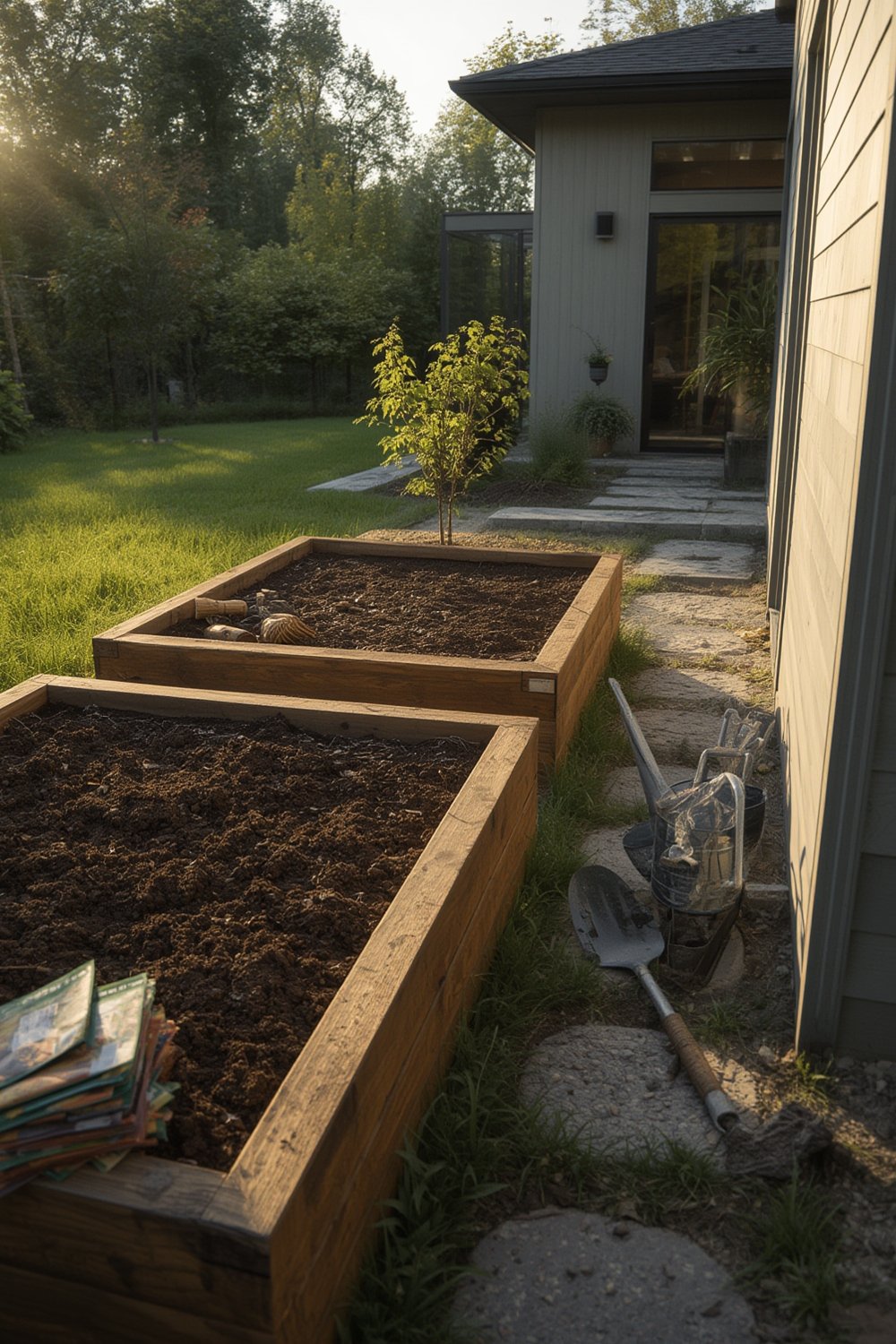
Many get started to save money, get fresh food, or simply relieve stress. The COVID-19 pandemic didn’t just prompt a wave of “pandemic gardens”—it sparked enduring interest across Millennial and Gen Z demographics, with young adults driving a renewed focus on easy, scalable food gardening.
The payoff isn’t just in picking your own dinner. The surge in demand has also raised the need for smart, sustainable approaches. That means new products and practices that address costs, environmental impact, and easy maintenance—often discussed by companies recognized for green innovation (see FoodTech 2024 new leaders).
Step-by-Step Guide: Launching Your Edible Garden
If you want tangible results—not wilted herbs or bug-infested tomatoes—follow this sequence. You don’t need to own farmland or buy expensive raised beds, but you do need to be intentional.
- Pick Your Space
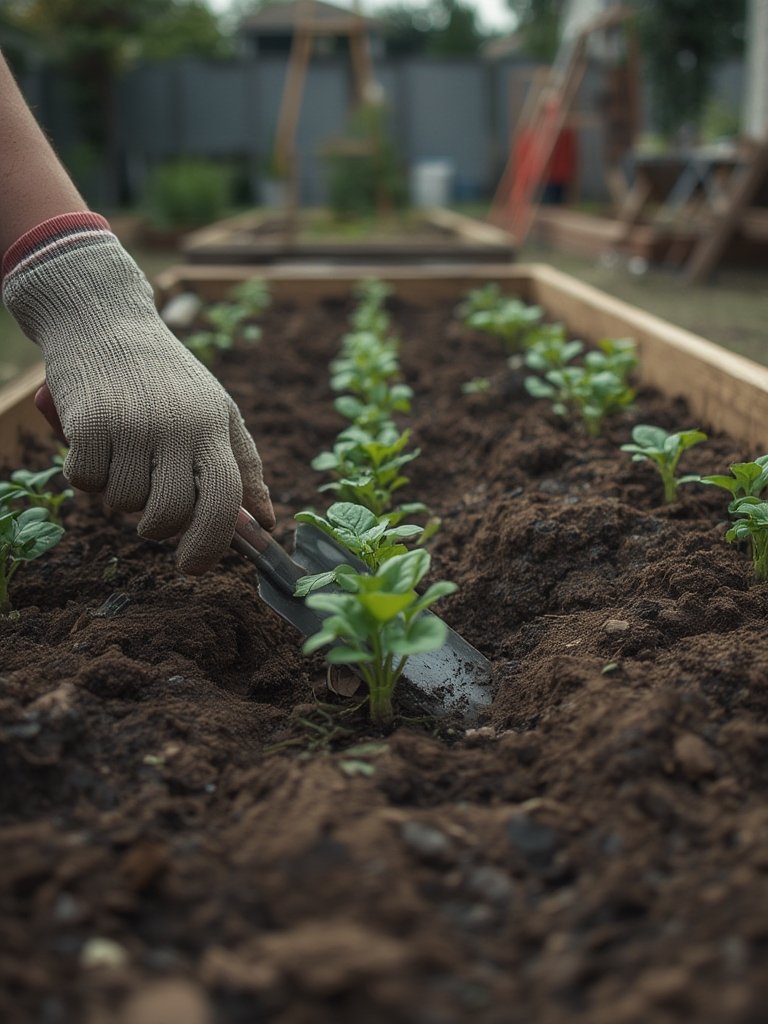
Assess available sun. At minimum, leafy herbs and greens need 4-5 hours (balcony, window box, or patio counts). If you’re new and outdoorsy, a patio is easiest for rapid learning and scale. - Choose Your Containers (or In-Ground)
For renters or apartment dwellers, planters are a must. Options like modern concrete-look, lightweight planters (see Kante review) combine aesthetics with practicality. Raised beds and vertical wall planters work well if you want to maximize yield in little space. - Select Plants
Start with beginner-friendly crops:- Fastest success: leaf lettuce, arugula, radishes, bush beans.
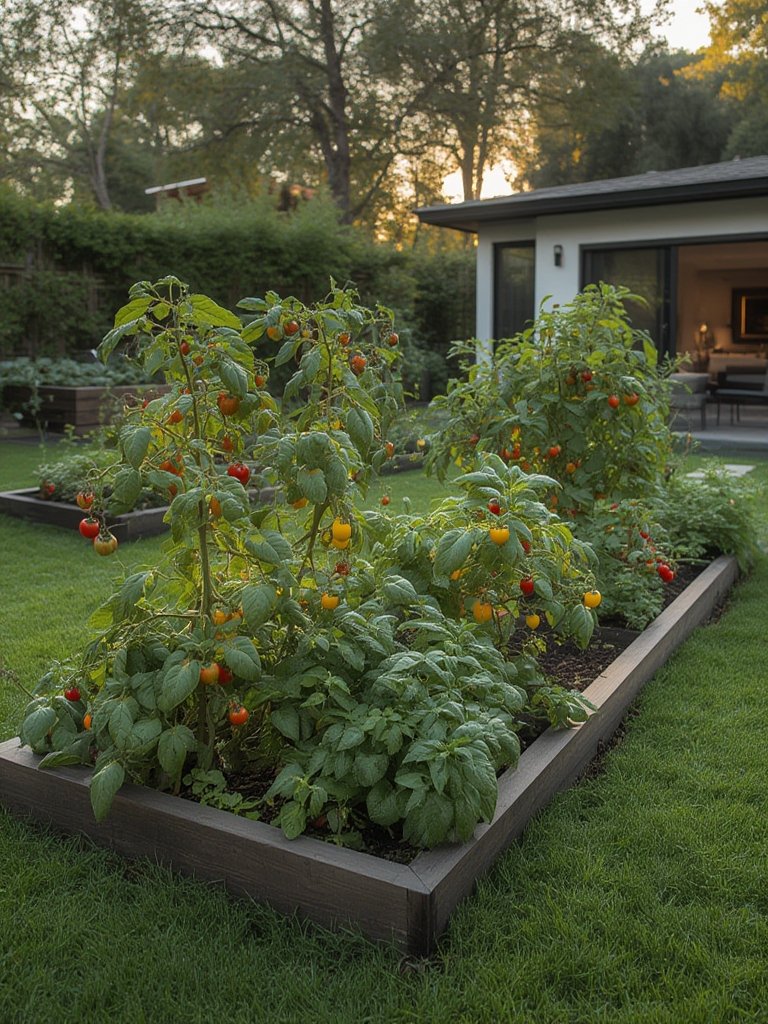
- Container stars: cherry tomatoes, chili peppers, or dwarf cucumbers.
- Space savers: herbs like basil, parsley, mint, and cilantro.
Read up on plant spacing—crowded containers breed fungus and poor yields. Use local nursery advice or follow guides from popular backyard gardening sources.
- Soil & Setup
Use organic potting mix for containers (no yard dirt!) and add a slow-release, balanced fertilizer. If you want optimal soil health, read our guide on soil regeneration for gardens. - Water & Monitor
Water is where novices often fail. For containers, check daily in summer. Smart, automated irrigation can help if you travel often; see our smart irrigation system guide for solutions that don’t drown your balcony. - Pest Control & Troubleshooting
Organic pest management (like insecticidal soaps or companion planting) is often sufficient. Don’t jump to chemicals—most pests emerge due to low airflow or overwatering. - Harvest & Rotate
Pick foods promptly to keep plants productive. Rotate crops seasonally, even in small containers, for long-term success.
For those tight on space, even a ladder-style bookshelf or mobile kitchen cart can be repurposed as urban planters.
If you want a truly low-fuss, movable setup, consider rolling kitchen islands. See our Shintenchi rolling island review to double indoor prep space that transitions outdoors during warm months.
Advanced Analysis & Common Pitfalls
Scaling your edible garden sounds easy, but many gardeners run into real-world snags. While most surveys highlight the explosive growth of edible gardening, pain points persist.
| Challenge | Reality Check | Workaround |
|---|---|---|
| Overestimating Yields | Small spaces grow less than social media suggests. Five tomato plants may yield a few pounds weekly—not “grocery store” quantities. | Choose high-yielding, fast-maturing varieties, and stagger plantings for continuous harvests. |
| Pest or Disease Surges | Container plants are still vulnerable to aphids, mildew, and root rot, especially with poor drainage. | Use clean containers, quality potting soil, and routine leaf inspection. Organic sprays help but won’t cure major infestations overnight. |
| Underestimating Maintenance | Trendy setups (like vertical walls) may need daily watering and frequent trimming. | Automate watering or pick drought-resistant varieties; see our drought-resistant plant guide. |
| Cost Creep | Buying tools, fancy containers, or starter kits can drive up costs. | Use simple 2-pack planters (Pure Garden product review) or reuse kitchen items. Avoid overbuying fertilizers—compost kitchen scraps instead. |
Costs also vary widely and can be surprising; the average US household spent roughly $670 last year just on gardening supplies, according to 2024 lawn and garden retail data.
Another pitfall is ignoring sustainability from the start. Composting food scraps, choosing recyclable pots, and minimizing food miles isn’t just an eco trend—companies like Edible Garden AG have proven that it cuts carbon emissions and waste (see details), a practical approach for anyone growing at home.
Conclusion
Edible gardening is surging in popularity with proven rewards—but it involves more hands-on work than most people guess. If you plan practically, choose the right crops, and pick sustainable systems from the start, you’ll out-yield and outlast the dropouts. For more on tool and container options, check out our honest planter reviews and don’t forget to track your yield and time. Start your edible gardening journey today—your next meal could be homegrown.
Ready to dig in? Share your first steps or your latest garden hack in the comments.
FAQ
How much time does edible gardening actually take per week?
It varies. Most beginners should expect 1–3 hours a week for setup and maintenance once plants are established. In peak summer, daily watering and pest checks can add 10–20 minutes per day, especially for container or patio gardens.
Can you do edible gardening indoors or on a balcony?
Yes! Herbs, salad greens, and compact veggies thrive on sunny balconies or with bright indoor light. Containers and raised beds are ideal indoors. Choose varieties bred for small spaces. Mobile planters or kitchen islands can help—see our rolling kitchen island review for space-saving options.
What’s the most cost-effective way to start edible gardening?
Reuse containers where possible. Buy seeds, not starts. Compost kitchen scraps for fertilizer. Stick to high-yield plants like lettuce, radishes, and bush beans. Avoid pricey starter kits unless they’re proven (read reviews first).
How can I make my edible garden more sustainable?
Compost your food scraps, use organic soil mixes, and select recyclable planters. Recycle water where possible, and avoid synthetic pesticides. For more details, see industry examples like Edible Garden AG’s sustainability initiatives in the FoodTech 500 report.
Are certain planters better than others?
Yes. Lightweight, weather-resistant planters are easiest for urban gardeners. See our Kante modern concrete planter review or Pure Garden outdoor planter review for practical options.