

Electric screwdriver projects are changing the way US homeowners tackle everyday DIY repairs, furniture assembly, and upgrades. Whether you’re dealing with tight kitchen cabinet screws or just want to save your wrists while putting together a standing desk, electric screwdrivers offer efficiency—but only if you choose, use, and maintain them with real-world care.
Key Takeaways
- Electric screwdrivers reduce manual strain, especially for repetitive tasks, but ergonomics and safety still matter.
- No clinical or occupational guidelines exist for “arthritis-friendly” models—real user comfort depends on handle design, weight, and control.
- Smart DIYers should still watch for torque mishaps, overdriving screws, and battery pitfalls for safe, precise results.
- Why Choose an Electric Screwdriver? Core Benefits and Real-World Limits
- How to Use an Electric Screwdriver Safely: Step-by-Step
- Advanced Analysis: Real Pitfalls and How to Avoid Them
- Conclusion: Should You Switch to an Electric Screwdriver?
- FAQ: Electric Screwdrivers in Everyday DIY
Why Choose an Electric Screwdriver? Core Benefits and Real-World Limits
Electric screwdrivers promise fast, consistent screw driving for home improvement projects ranging from wall shelving to assembling rolling kitchen islands. For US homeowners, the main advantage is the drastic reduction in wrist and hand effort, especially during long or repetitive jobs like dealing with a storage bed’s slats or mounting a ladder bookshelf. But not every electric screwdriver is created equal, and it’s worth being realistic about expectations.
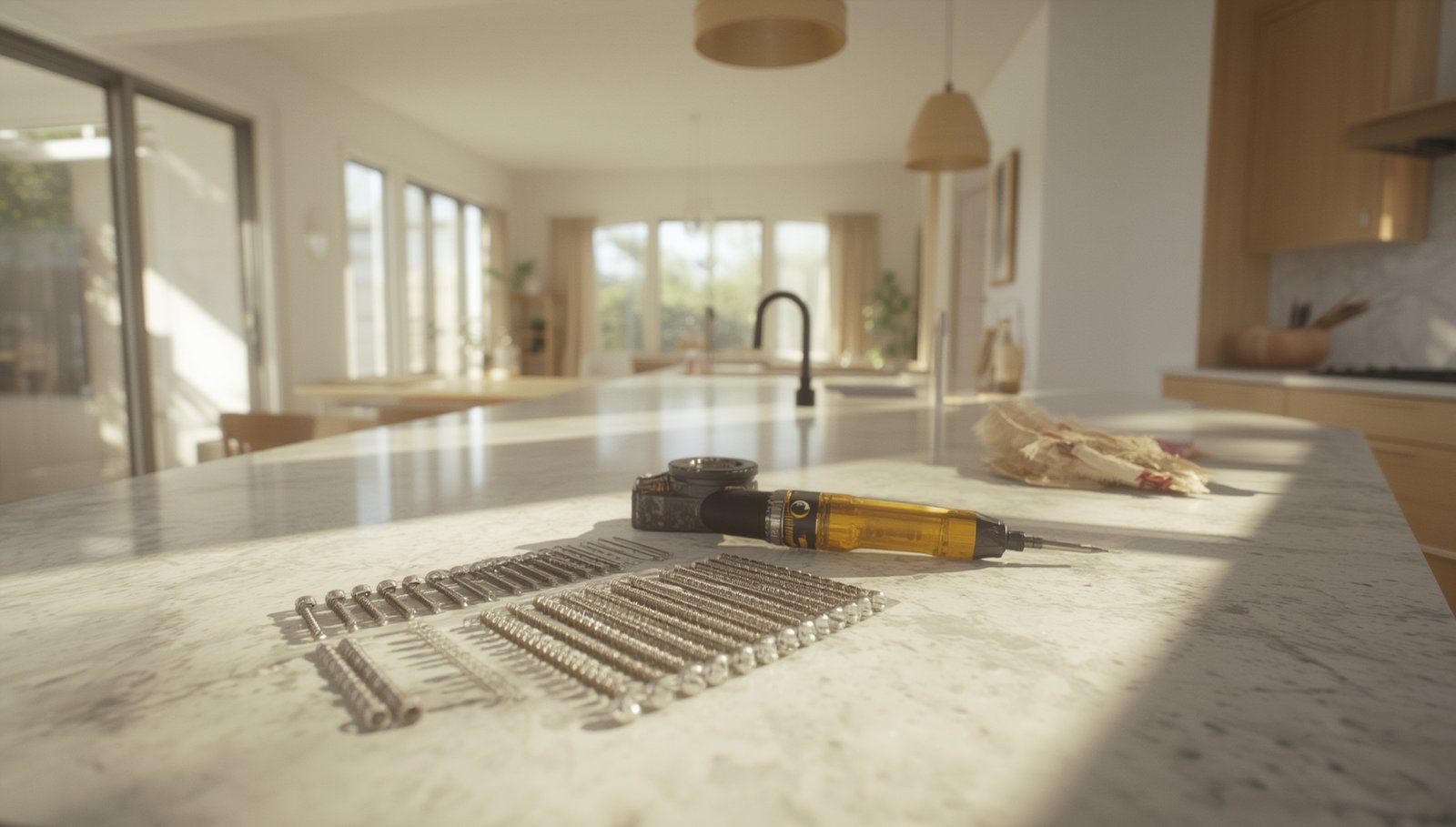
Most DIYers—especially beginners—find that an electric screwdriver makes furniture assembly, outlet cover replacement, and even more tedious tasks like removing and installing cabinet doors easier. The lightweight models are appealing, but heavier units may offer more torque for challenging jobs.
There’s no clinical data or 2024 guidelines to prove electric screwdrivers directly reduce arthritis pain, but for many, the reduction in hand twisting is obvious. Still, tool weight, grip comfort, and the screwdriver’s control features will make or break whether it’s the right pick for you. If you need to drive screws into dense hardwood or for jobs above your head, arm fatigue and stability are worth weighing carefully.
For assembly projects like a rolling kitchen island or ladder bookshelf, using an electric screwdriver can dramatically speed things up, but remember: not all jobs benefit from max power—sometimes finesse matters more.
How to Use an Electric Screwdriver Safely: Step-by-Step
- Choose the right model and bit for your project. For basic home tasks, a lightweight cordless model is best. Ensure your bit is securely locked in to avoid slipping and stripped screws. Flathead and Phillips are the most common, but unique furniture may require hex or star bits. If assembling a mobile standing desk, check the included screws before starting.
- Check battery charge and power settings. Most electric screwdrivers let you adjust torque settings. Start with lower torque for fragile materials (like particleboard or thin plastics) to prevent damage.
- Secure your workpiece. Use clamps or a stable surface to hold items like planters or shelves steady. Wearing safety glasses and gloves is always smart, especially for beginners or anyone with limited grip strength.
- Turn on the power and apply steady pressure. Line up the bit perfectly with the screw head. Let the screwdriver do the work—don’t force it. If you feel resistance or hear the motor straining, stop and check for alignment or obstructions.
- Drive the screw, then release the trigger as soon as it’s flush. Overdriving can strip threads or crack surfaces, especially with composite woods or metal brackets.
- Always unplug or remove the battery before changing bits or cleaning. This prevents accidental activation, especially if you’re distracted during assembly.
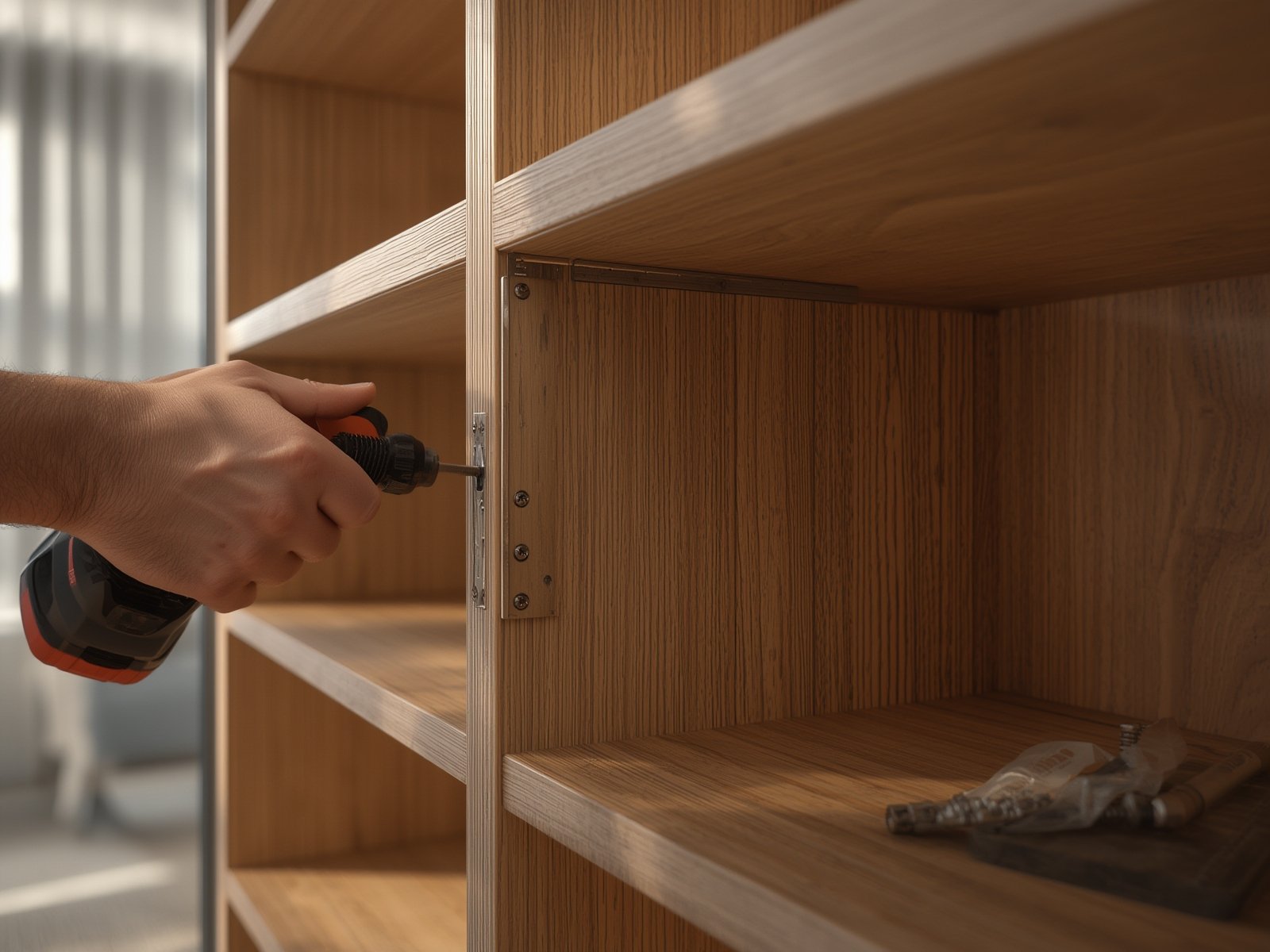
Intermediate DIYers can author small upgrades—like installing a drill driver kit with adjustable torque—or tackle slightly tougher projects, such as mounting a lift-top coffee table. For stubborn screws or materials, consider pre-drilling pilot holes with a drill to make the screwdriver’s job easier.
Expense-wise, expect to spend $25-$100 for a respectable electric screwdriver set, but dedicated drill drivers or pro-level sets can push $150 or more. There’s no premium “arthritis-friendly” model by price—comfort comes down to personal fit, not just cost.
Advanced Analysis: Real Pitfalls and How to Avoid Them
Common mistakes:
- Over-torquing: Too much force can crack plastics, damage wood furniture, or strip the threads of a storage bed frame. Always start on low torque and increase if needed.
- No ventilation: If working inside enclosed cabinets or in awkward positions, heat from motorized tools builds up. Take breaks and keep the area well-ventilated.
- Ignoring load ratings: Using heavy screwdrivers overhead or while standing on a ladder increases fatigue and risk of dropping tools. Stick to lightweight models unless you need extra power.
- Battery surprises: Infrequent users may find devices dead exactly when needed. Store your electric screwdriver with the battery charged and in a dry place to prevent corrosion or reduced capacity.
- Safe handling: Never change bits while the tool is powered, and if working with kids or in multifamily homes, store power tools out of reach when not in use.
| Electric Screwdriver Feature | Typical Benefit | Potential Pitfall | DIY Tip |
|---|---|---|---|
| Variable Torque | Best for controlling depth in soft materials | Stripped screws or damage if set too high | Always start on lowest torque |
| Rechargeable Battery | No need for cords, increases portability | Battery can fail if left uncharged too long | Store tool charged and test monthly |
| Ergonomic Handle | Easier on wrists for repetitive work | May not fit every hand size | Test grip in-store if possible |
There are currently no studies or surveys offering clinical proof that electric screwdrivers reduce arthritis symptoms, and no occupational therapy standards for weight or torque exist. Verified user data with arthritis isn’t available, so always try before you buy—especially if you need comfort features.
It’s also worth noting: some tasks simply exceed the safety or skill limits for home DIY. For anything involving load-bearing structures or critical repairs (railing brackets, stair treads), consulting or hiring a professional remains the safest option.
When in doubt—like with your ventless washer dryer or heat pump water heater—read the manufacturer’s installation notes and clearly label breaker switches before starting power tool work.

Conclusion: Should You Switch to an Electric Screwdriver?
For most US homeowners and renters, an electric screwdriver is a practical upgrade that cuts down on manual effort, speeds up projects, and can help make DIY less intimidating—even if there’s no “arthritis-friendly” certification. No one-size-fits-all solution exists, and the ideal tool depends on project variety, comfort with power tools, and storage space.
**Who should consider it:**
• Beginners—for furniture assembly and basic hanging jobs, especially if hand strength is limited.
• Intermediate DIYers—for faster completion of larger projects from bathroom fixtures to mounting a console table.
• Budget-conscious homeowners—solid electric screwdrivers are widely available under $100.
• Renters—great for quick assembly/disassembly without marking up walls or surfaces.
**Who may want to skip it:**
• Anyone unwilling to charge or store a small power tool.
• Those needing absolute control for delicate heritage furniture or precision installations (where quality manual drivers could be safer).
If you’re ready for less strain and more speed on household projects, test an electric screwdriver—even the most basic models can make real-life DIY work feel more achievable. Just remember to stay within your comfort zone and prioritize safety. For trickier upgrades—like larger ADU construction or smart home wiring—don’t hesitate to call in a pro.
The right electric screwdriver is an adaptable tool, but—like any power device—respecting its limits is essential for safe and satisfying results.
FAQ: Electric Screwdrivers in Everyday DIY
Do electric screwdrivers really help with arthritis symptoms during DIY?
There’s no medical or clinical data showing electric screwdrivers specifically reduce arthritis discomfort. However, most users—including those with joint pain—find less twisting and less grip strain compared to manual drivers. For severe arthritis, handle shape and tool balance matter as much as motor power.
How do I know if a cordless electric screwdriver has enough power for my project?
Check the torque specification (in Nm or in-lbs) and compare to your project needs. Simple assembly tasks require only low to medium torque. For tougher materials or jobs like mounting heavy storage, consider a model with at least 3 to 5 Nm torque or look into a compact drill driver.
Is it safe to use electric screwdrivers around electrical outlets or switches?
Shut off power at the main breaker before removing outlet plates or switches. Always confirm no voltage is present with a tester before proceeding, and avoid using power drivers near live wires to minimize shock risk.
What’s the lifespan and maintenance for a typical electric screwdriver?
Expect 3-5 years of reliable use with regular home projects. Keep battery contacts clean and recharge monthly, even if unused. Replace worn bits as soon as they slip or strip screws, and store the tool in a dry area to avoid corrosion.
Are there any real-world case studies proving benefits for users with arthritis?
No published studies or user case reports are available as of 2024 showing direct health or comfort benefits for arthritis patients using electric screwdrivers. Most available studies focus on other devices unrelated to hand tools.