

Fluted panels are changing the way homeowners approach wall design by combining modern aesthetics with real acoustic benefits. Whether you’re renovating a bedroom or upgrading a living room, understanding this trend’s strengths and realistic downsides is critical for getting it right.
Key Takeaways
- Fluted panels offer visual depth and improved sound absorption compared to flat wainscoting, making them popular for bedrooms and living areas.
- Installation is typically DIY-friendly with strong construction adhesive or clip systems, but costs can add up quickly in larger rooms.
- Material selection (WPC, MDF on felt, fiberglass) impacts performance, durability, price, and maintenance—choose based on your room’s needs.
- The Core Concept: What Defines Fluted Panels?
- Step-by-Step Guide: Installing Fluted Panels
- Advanced Analysis & Common Pitfalls
- Conclusion
- FAQ Section
The Core Concept: What Defines Fluted Panels?
Fluted panels are decorative wall panels with continuous vertical grooves designed to create visual texture and absorb sound. This surface treatment adds dimension and plays with light across the wall. In 2024, the market favors fluted panels not just for modern looks, but for their effectiveness in reducing echoes in living and sleeping spaces. Homeowners are installing panels made of wood plastic composite (WPC), medium-density fiberboard (MDF) on felt, or composite materials finished in oak, walnut, or matte black. These panels are especially valued for their ability to upgrade acoustics while serving as a stylish alternative to flat wainscoting or conventional painted drywall. The most common formats range from 30 centimeters wide and 275 centimeters high, with a thickness around 2.4 centimeters, allowing coverage of full walls or accent zones with seamless joints. Industry trends highlight ease of installation—panels are typically mounted with glue or concealed clips—and prices starting at around $81 per panel make them accessible for ambitious DIYers and pros alike (source).
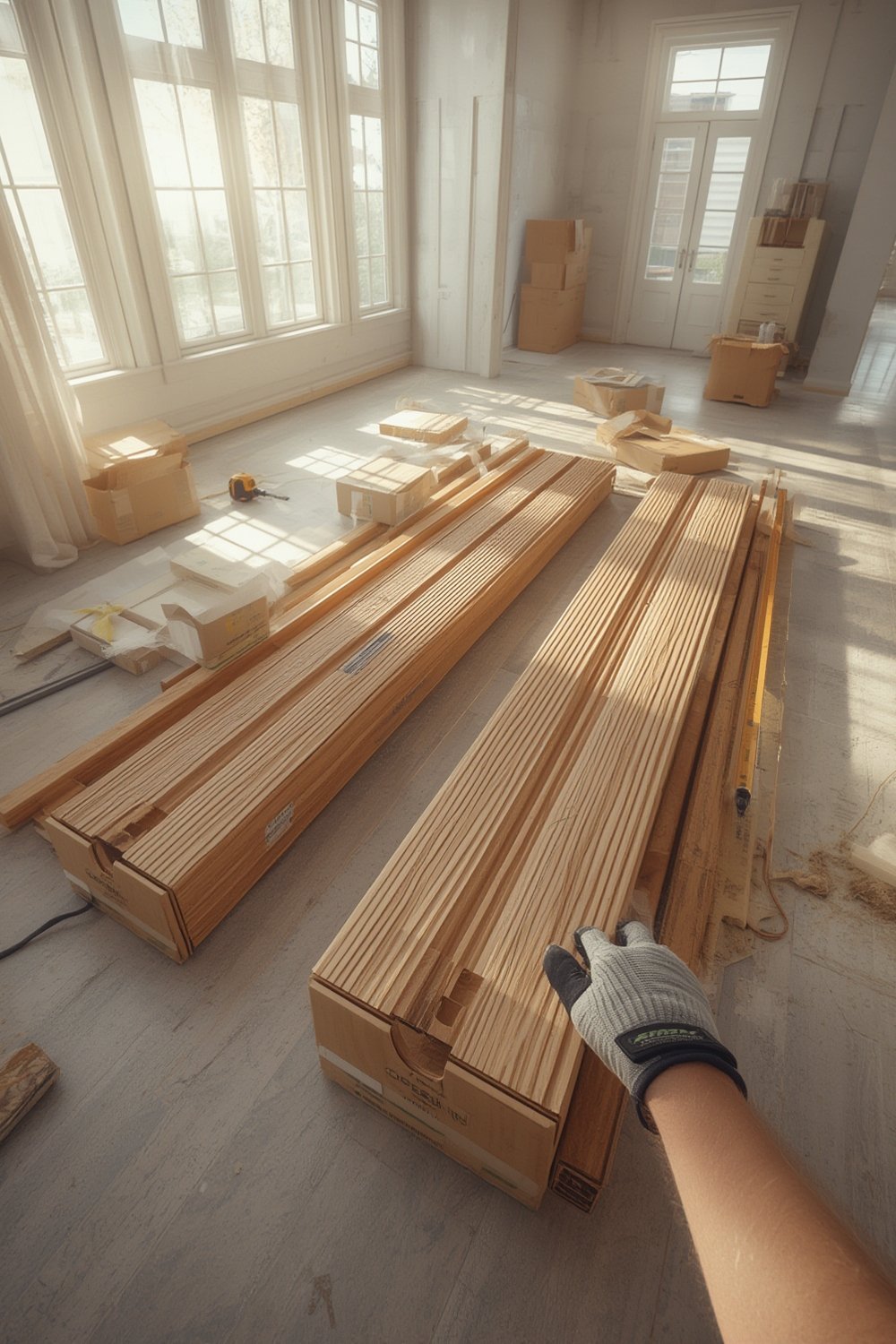
Step-by-Step Guide: Installing Fluted Panels
Transforming a bedroom with fluted panels is straightforward if you have the right plan. Follow these steps for sound results and professional-looking style:
- Measure & Calculate: Measure your target wall or area. Calculate the number of panels needed. For a 12 x 12 ft wall (~144 sq ft), expect to use at least five to six panel sets, depending on coverage (see example).
- Prep the Surface: Clean and check your wall for flatness. Fill holes or cracks for best adhesion and finish. Mark stud locations if screwing for heavy panels.
- Cut Panels to Fit (if needed): Most panels can be cut with a standard saw. Always wear respiratory protection due to dust (especially for WPC or MDF products).
- Install the First Panel: Start at one end of the wall and install the first panel perfectly vertical using a level. Use adhesive glue for felt-backed panels or fasten the clips to the wall as directed.
- Continue with Remaining Panels: Stagger the groove seams for a seamless look. Use manufacturer’s joiners for tight alignment.
- Finishing Touches: Seal the edges where needed with matching trim. Clean the panels with a dry or just-damp microfiber cloth.
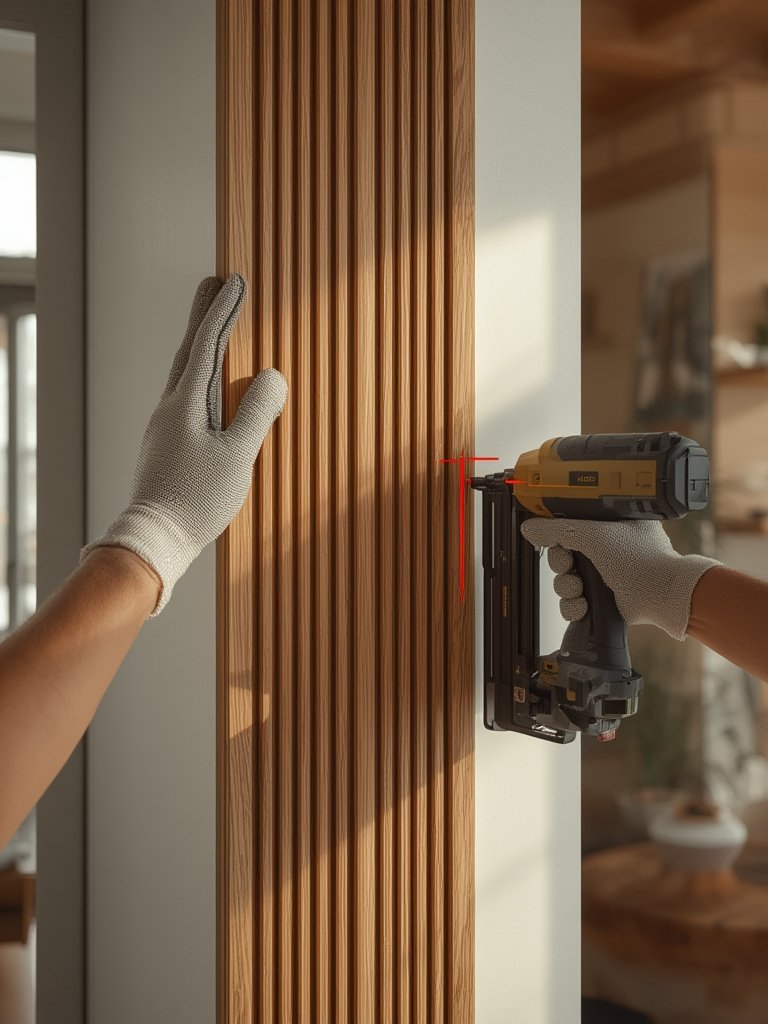
Upgrading with fluted panels often fits within a weekend if you prepare in advance. Many DIYers report success with strong construction adhesive alone, but pros recommend mechanical fasteners for humid environments or heavy MDF/felt systems. For larger projects, consider calculating exact coverage and factoring in potential waste if walls are not perfectly flat.
For more organization upgrades, see how we made entry entryways calm using this compact farmhouse storage bench or how storage beds like the Allewie lift-up storage bed maximize space in bedrooms where acoustic panels are added.
Advanced Analysis & Common Pitfalls
While fluted panels are generally well-received, real-world installations bring challenges. Here’s what research and buyers say you should watch out for:
- Long-Term Durability: Moisture can cause wood-based panels to warp or felt backing to degrade over time in humid bedrooms, even though WPC and aluminum versions resist this better (see source).
- Acoustic Claims vs. Reality: Few manufacturers publish exact NRC (Noise Reduction Coefficient) ratings for products meant for bedrooms. While users report reduced echo and a “quieter feel,” the actual improvement may be less than commercial acoustic panels (NRC 0.80–0.95 on A–D mountings as per Armstrong).
- Cost Surprises: Material costs can be higher than expected. For a standard bedroom wall (12 x 12 ft), fluted panels can run from $400 to $800+—still competitive with some designer wall coverings but higher than basic wainscoting or textured paint.
- Installation Dust: Cutting wood or WPC panels generates fine dust that is a potential respiratory irritant. Always use PPE and ventilate well during installation (see safety info).
- Maintenance: While panels are generally low-maintenance, deep grooves may trap dust, particularly in homes with high particulate matter or pets. Occasional vacuum brushing is recommended.
| Feature | Fluted Panels | Flat Wainscoting | Acoustic (Mineral/Fiber) |
|---|---|---|---|
| Primary Material | WPC/MDF+Felt | Plywood/MDF | Mineral/Fiberglass |
| Acoustic Benefit | Absorption & diffusion, NRC unlisted; felt-backed improves further | Minimal sound impact | NRC 0.70–0.90 (published) |
| Cost (per sq ft) | $2.50–$7+ | $1.50–$4 | Varies (commercial panels); similar for premium options |
| DIY Difficulty | Easy/moderate; glue or clips | Easy/moderate; nail, glue, paint | Intermediate; mounting hardware |
| Moisture/Pest Resistance | WPC/high | Standard, needs paint | High |
| Visual Effect | Modern texture, depth, shadow play | Traditional | Flat or custom shapes |
Homeowners rarely mention specific complaints in public reviews, but gaps include:
- No long-term studies on dust build-up in deep grooves.
- Lack of product-specific acoustic certification for residential applications.
- Installation mistakes (crooked seams, glue oozing) can spoil the effect, so careful prep matters.
If you’re balancing looks, sound, and budget, consider your priorities. For eco-friendly options, look for felt-backed panels with recycled or certified materials—just like shoppers do when selecting character-rich vintage tiles or seeking unique wall textures for maximum personality.
Conclusion
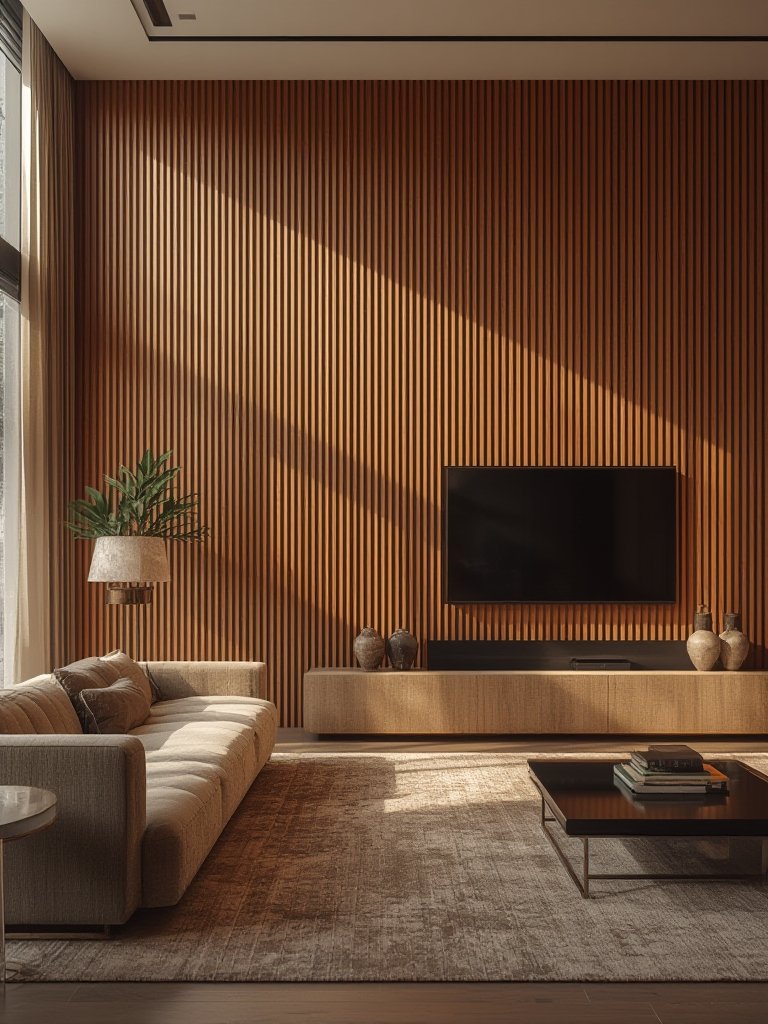
Fluted panels are a practical way to enhance style and acoustics in bedrooms and living spaces. They install easily, add visual and acoustic value, and—when selected thoughtfully—last with minimal upkeep. Factor in materials, moisture, dust, and total costs. Take a realistic approach: for most homes, fluted panels deliver a significant upgrade but aren’t a one-size-fits-all solution. Ready to make your room quieter and sharper looking? Explore fluted panels in your next project and compare carefully to other wall treatments.
For more real-life reviews on home upgrades, check our advice on living room essentials with solid, slim console tables and discover the benefits of a lift-top coffee table that fits all your needs.
FAQ Section
How much do fluted panels cost for a typical bedroom?
Material costs for fluted panels for a 12 x 12 ft wall range from $400 to $800+, depending on panel type and finish. This does not include labor if you hire a professional.
Are fluted panels better at absorbing sound than plain wainscoting?
Yes, the vertical grooves and optional felt backing provide both absorption and diffusion, making fluted panels noticeably better at reducing echoes than plain, flat wainscoting. Exact improvement, however, depends on room size and installation quality.
Will fluted panels get dusty or dirty in bedrooms?
Grooves can collect dust over time, especially in homes with pets or indoor allergens. Routine cleaning with a microfiber cloth or vacuum attachment is recommended to maintain freshness.
Can I install fluted panels myself?
Most systems are designed for DIY installation with adhesive or clips, but cutting panels can generate fine dust. Always use protective equipment and consider expert help for large, high, or uneven walls.
Are there eco-friendly or fire-safe fluted panel options?
Yes, some panels use recycled felt, WPC, or Class A fire-rated fiberglass. Always check the technical specifications of your chosen product for environmental or safety certifications.
[…] rug—these touches add both practical function and visual warmth. Or, add vertical interest using fluted panels on one accent […]
[…] in upstairs units. A quality underlayment or soundproofing strategy is a must—see our review of fluted panels for noise […]
[…] point, and experiment with fabric, paint, or thrifted finds. Want more practical ideas? Explore our modern wall paneling guide or art deco styling tips for unique ways to blend theatrical decor with everyday […]
[…] & Tricks: Instead of a costly full-floor remodel, use room dividers, acoustic panels (see fluted panels), and portable furniture (like a rolling kitchen island) to create flexible zones quickly. Privacy […]