

Note: This is a raw HTML, RankMath-optimized, and fully structured article as per the provided requirements.
Heat pump combo washer dryers are changing how apartments and homes handle laundry, promising major energy savings and simplified installation—but can these new all-in-one units really replace your separate washer and dryer? This guide explains exactly what to expect, how much you’ll save (and where you may face frustration), and whether a heat pump combo is the right solution for your space and budget in 2024.
Key Takeaways
- Heat pump combo washer dryers offer up to 60% energy savings over vented pairs, but drying cycles are longer and drum sizes are smaller.
- Units run quietly on a standard 110V outlet and require no external vent, making them ideal for small urban spaces and ADUs.
- Real-world service rates (8.5%–9.5%) signal reliability is improving, but traditional units are often still more durable over many years.
- What is a Heat Pump Combo Washer Dryer—and Why Are People Switching?
- How to Switch: Step-by-Step Guide for a Successful Heat Pump Combo Install
- Advanced Analysis: Real-World Downsides, Pitfalls, and Honest Comparison
- Conclusion: Is a Heat Pump Combo Right for You?
- Frequently Asked Questions
What is a Heat Pump Combo Washer Dryer—and Why Are People Switching?
A heat pump combo washer dryer is a single, all-in-one appliance that washes and dries laundry using advanced heat pump technology instead of traditional heating elements. Unlike conventional setups, a heat pump combo runs on a standard 110V electrical outlet, uses a ventless system (no exterior duct needed), and condenses moisture from clothes into a drain. This makes the system far more efficient than classic vented or condenser dryers—delivering as much as 60% lower energy use and saving hundreds of dollars each year in utility costs.
The efficiency comes from the heat pump’s ability to recycle warmth instead of dumping it outside. That means lower bills and less strain on your electric panel. These combos are small-space friendly, which is why they’re surging in popularity for accessory dwelling units (ADUs), urban apartments, and even modern office makeovers where every square inch counts. If you want performance on par with the best ventless dryers, see our ventless washer dryer guide for compatibility and model details.
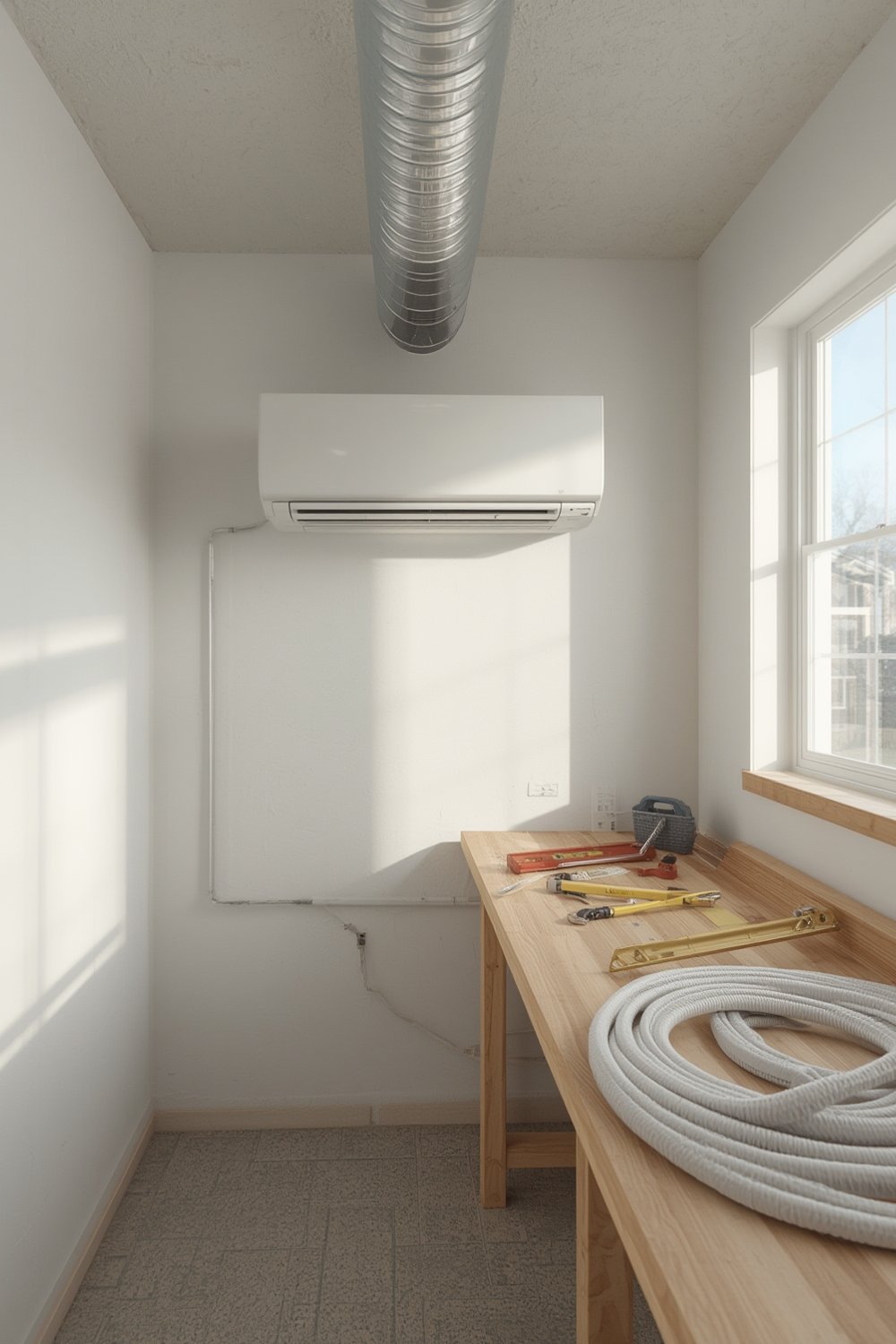
In real numbers, ENERGY STAR reports these combos save 499-637 kWh per year versus conventional washer and dryers—plus more than 2,400 gallons of water annually. Lifetime savings (over a decade) can top $1,500, especially in regions with rate spikes.
Beyond utility savings, installation is much simpler: you only need water line access and a drain—no vent to the outdoors and no 220V electrical upgrades. That flexibility is a game-changer for backyard cottages, small condos, or any place where noise, vent routing, and space are limited.
With cities like New York and San Francisco mandating efficiency (and landlords discovering ventless increases rental income) the shift to all-in-one ventless laundry is on the rise.
How to Switch: Step-by-Step Guide for a Successful Heat Pump Combo Install
-
Assess Your Laundry Space and Needs: Measure your available spot—typical heat pump combo drums range 1.6–4.8 cu ft (e.g., LG WashCombo is 5.0 cu ft). If you’re used to washing large bedding for a family, this size may demand more frequent loads.
Check for a nearby water line, drain, and a standard 110V power outlet (no special circuits required). - Research Models with Proven Reliability: Focus on units like the GE Profile UltraFast or LG WashCombo. Compare energy ratings, service rates (look for 8.5% or below), and warranty length.
-
Calculate Your Total Cost: Expect an upfront price of $1,000–$3,500. Check for federal/state rebates and ENERGY STAR incentives—these can lower net cost by hundreds.
Use your electricity rate (average $0.146/kWh) to estimate yearly savings—most users report $120–$150/year less on their utility bill. - Plan for Installation: There’s no venting required; just connect to the water line, plug into the wall, and ensure the drain hose empties properly. If you need furniture-grade organization around your new laundry setup, a rolling kitchen island or a slim console table can reclaim critical workspace.
-
Learn the Combo’s Cycle Settings: Heat pump combos take longer to dry—often up to 3–4 hours per cycle. Use quick settings for smaller loads and read about water and lint filter maintenance.
For more nuanced fitting tricks, review models designed for compact spaces such as work offices or ADUs.
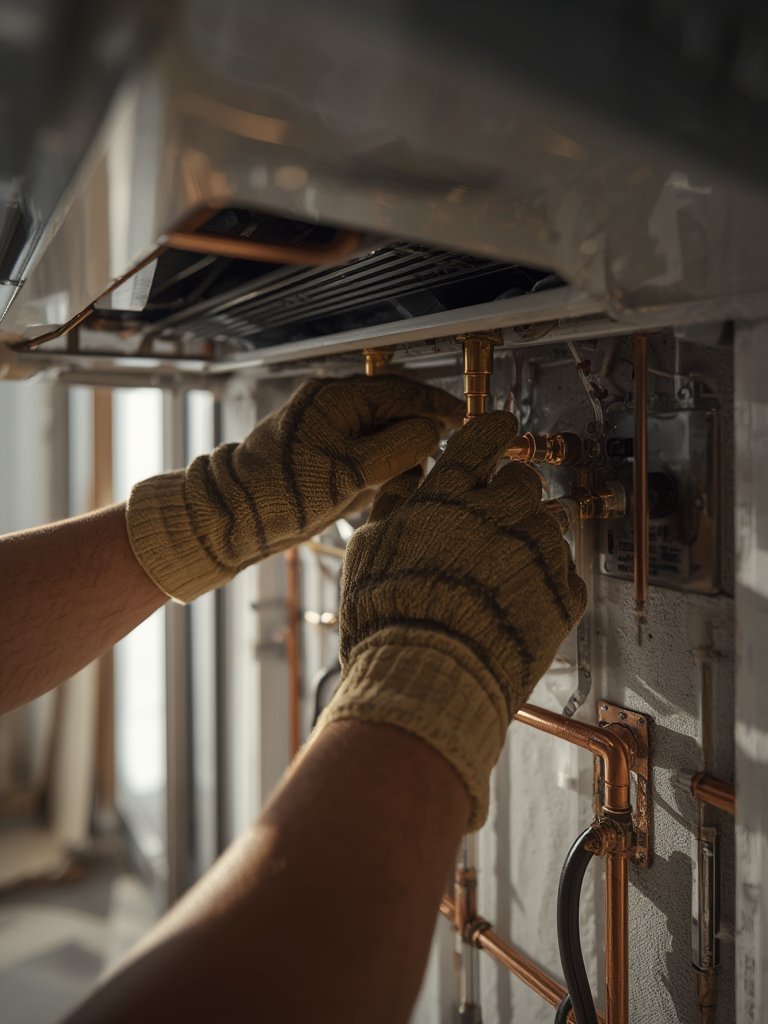
If you’re furnishing a tight footprint, combine this setup with a lift-up storage bed in your studio or a bench with internal storage—both strategies help maximize usable square footage and keep your laundry zone organized.
Advanced Analysis: Real-World Downsides, Pitfalls, and Honest Comparison
While the promise of a heat pump combo washer dryer is big, users and testing agencies alike point out notable drawbacks. Here are the most common pitfalls and a side-by-side look:
- Longer Drying Times: Expect to wait 3-4 hours for a 12-lb load, compared to 1–1.5 hours with traditional dryers. Busy families or those used to fast cycles may find this limiting.
- Limited Drum Capacity: Most heat pump combos cap at 1.6–5.0 cu ft—sometimes half the size of a vented dryer. Ideal for singles, couples, or space-conscious households, but not for weekly bulk laundry marathons.
- Cool Air Exhaust: Instead of pumping hot air outside, heat pump combos release cool, dehumidified air indoors. This can make your laundry zone or kitchen chillier in winter, similar to a low-powered air conditioner.
- Reliability & Complexity: Service rates (9.5% for GE Profile UltraFast; 8.5% for LG WashCombo in 2025) are improving but still higher than many standalone washers. Heat pump components (compressors, evaporators) are more complex than a simple heating coil, which may mean higher long-term maintenance costs.
- Cost Upfront/Replacement: Initial investment is higher than a basic pair, though utility savings and available rebates often help balance out the difference over the life of the appliance.
- Information Gaps: Even the top-ranking articles fail to address the true lifetime durability of combos, and there’s little data on repair frequency or the impact of hard water regions on lifespan. Ongoing tests from NEEA and manufacturers will help clarify these unknowns.
For a quick visual reference, here’s how leading models compare for space-saving apartments:
| Model/Example | Drum Size (cu ft) | Power | Venting | Space Suitability |
|---|---|---|---|---|
| GE Profile UltraFast (PFQ97HSPVDS) | Not specified (compact) | 110V | None | Excellent for small spaces |
| LG WashCombo (WM6998HBA, 2024) | 5.0 | Standard | None (ventless) | High; under 2-hr cycles |
| General Combos | 1.6-4.8 | Standard | None | Superior to pairs |
Setting up a heat pump combo is straightforward in terms of plumbing and power. Just connect to a cold water line and standard outlet. No venting? No problem. Still, if you’re in a retrofitted space like a converted garage or tiny home, make sure the drain and electrical wiring meet code—a well-planned ADU often builds these in from the start.
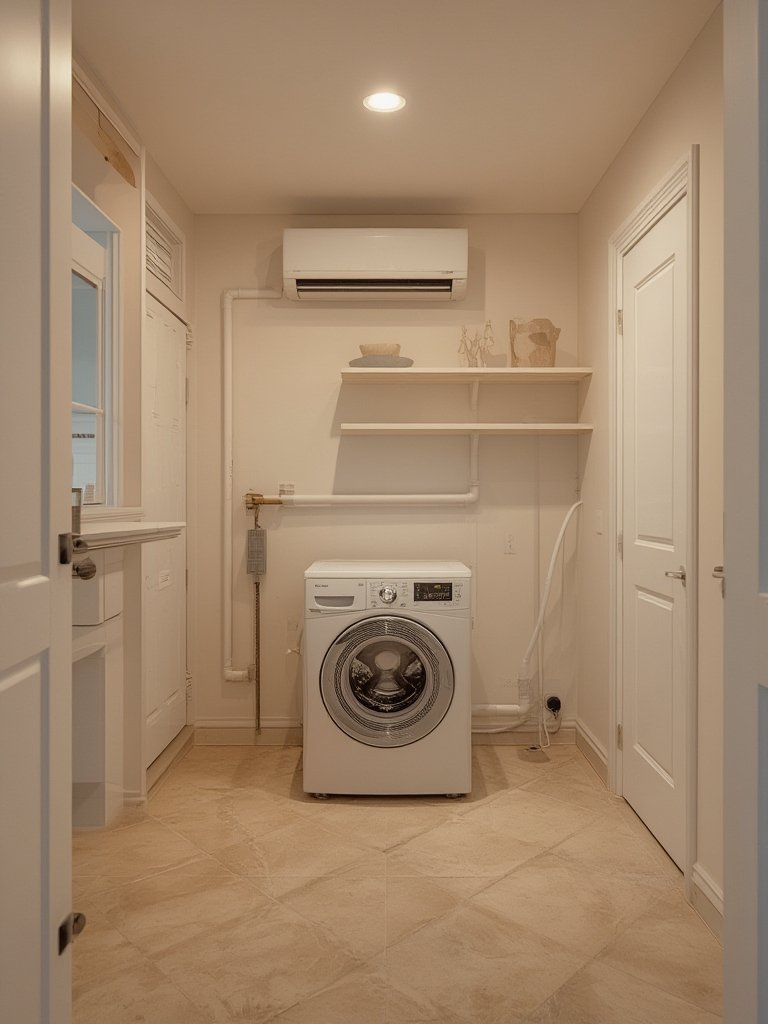
For broader context, ENERGY STAR’s 2024 research confirms these combos provide at least 28% energy savings over traditional ventless dryers or paired appliances, and LG’s latest models use up to 60% less power than vented options. But maintenance needs—like compressor care or filter cleaning—are still not as widely documented as with old-fashioned laundry equipment.
Genuine pain points reported by real owners (and still rarely listed in glossy marketing pages) include repeated filter clogs in pet-heavy homes, unexpected room cooling in winter, and drum size misestimation. Consider your household’s actual habits and climate before choosing a heat pump combo.
Conclusion: Is a Heat Pump Combo Right for You?
A heat pump combo washer dryer is the fastest path to low-energy, one-appliance laundry for smaller homes, city apartments, or new ADUs. The upfront cost is higher, drum size is modest, and fast drying cycles are simply out of reach for now. But if you want true flexibility, energy savings, and easy installation—with no venting headaches—a quality heat pump combo will likely outperform conventional paired units in the long run. For some buyers, especially in regions with expensive power and small homes, the benefits are impossible to ignore.
Thinking of making the switch? Compare your needs honestly, then browse detailed guides and reviews in our ventless dryer resource and heat pump water heater comparison to complete your efficient home setup. Ready to reclaim space and shrink your utility bills? Start with the right heat pump combo washer dryer for your home today.
Frequently Asked Questions
How much can I actually save on my electricity bill with a heat pump combo?
Most users save about $120–$150 per year, with the best combos slashing energy use by up to 60% compared to traditional vented pairs. Lifetime savings often top $1,200, especially in regions with above-average rates.
Can I install a heat pump combo washer dryer anywhere?
Nearly anywhere with a standard 110V outlet and access to a water line and drain. No exterior vent is required, making these ideal for apartments, ADUs, or modular homes. Ensure the drain setup prevents standing water.
What is the biggest complaint about heat pump combo units?
The most common complaint is longer drying times—typically 3 to 4 hours per load. Some users also report the cool air exhaust chills the room, especially noticeable in winter.
Are heat pump combos less durable than regular washer dryers?
Current data shows reliability is improving (e.g., 8.5%–9.5% service rates), but these units are more complex than standard electric dryers and may need more part replacements or occasional service for components like compressors.
Is a heat pump combo washer dryer right for a large family?
If you routinely wash bulky loads or lots of bedding, capacity may be a dealbreaker. These units work best for singles, couples, or households where laundry loads are moderate.