

Heat pump water heater systems are quietly taking over home water heating, pushed by new regulations and a major jump in market share expected by 2030. In this guide, you’ll get honest answers and actionable steps if you’re considering upgrading or just want the facts for your next project.
Key Takeaways
- The US Department of Energy mandates most electric water heaters over 35 gallons use heat pump technology by 2029, likely boosting market share up to 40% by 2030.
- Installation costs and efficiency advantages are real, but region-specific and detailed homeowner cost breakdowns remain limited for 2024.
- Gaps in consumer awareness and confusion around rebates persist—even among top sources—so be cautious, do your research, and don’t just trust marketing hype.
- What Is a Heat Pump Water Heater and Why Switch Now?
- How to Upgrade: Step-by-Step Guide for Homeowners
- Real-World Issues, Hard Numbers, & Pitfalls
- Conclusion
- Frequently Asked Questions
What Is a Heat Pump Water Heater and Why Switch Now?
A heat pump water heater (HPWH) uses electricity to move heat rather than generate it directly. Instead of firing up a resistance coil or burning gas, it extracts warmth from surrounding air—like a reverse air-conditioner—to heat your tank. This approach is up to three times as efficient as a standard electric tank, and can dramatically reduce household energy use and carbon footprint over time.
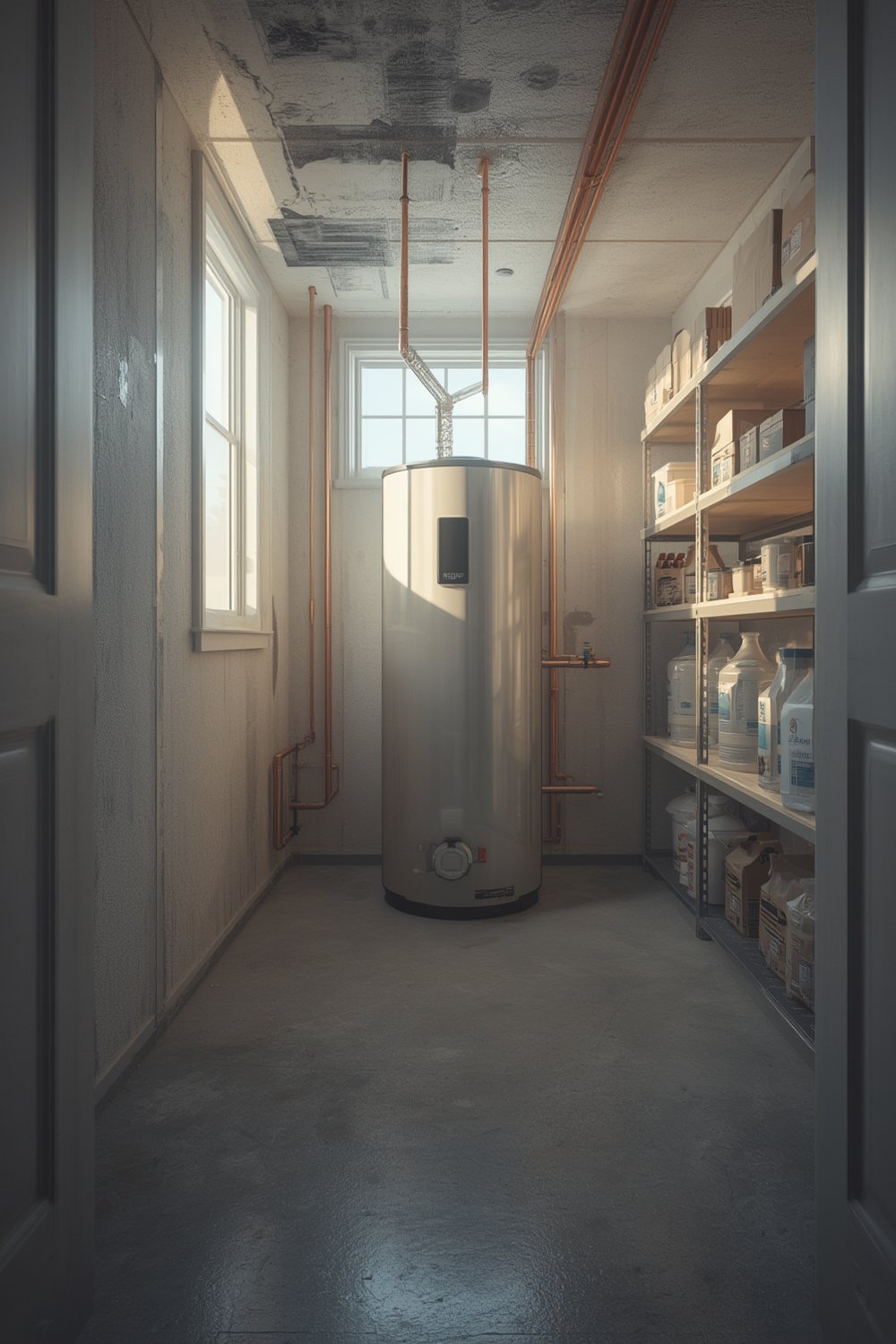
Why is this important now? The Department of Energy’s new standards require most electric water heaters over 35 gallons sold after 2029 to use heat pump technology. Industry analysts estimate HPWH’s global market value to jump from $5 billion today to as much as $25 billion by 2030, with US market share surging from just 2% to up to 40% of all water heater sales—a shift not seen in decades.
While a heat pump water heater pays for itself over years in efficiency gains, it’s also being propped up by federal standards and, in some regions, rebates (though these vary and can be confusing). There are some drawbacks—noise, installation needs, and up-front costs are real—but with the incoming regulation wave, most households will need to weigh HPWH as the default option for the next replacement.
How to Upgrade: Step-by-Step Guide for Homeowners
Switching to a heat pump water heater is less intimidating than you might think, but planning ahead makes all the difference. Here’s a practical workflow to reduce surprises and headaches.
- Review Your Home’s Layout: Identify your current water heater’s location and the available space, height, and nearby temperature. HPWHs do best in large, non-living areas with at least 700-1000 cubic feet of air—think basements, garages, or large utility rooms.
- Assess Electrical Needs: These heaters typically require a dedicated 240V circuit. Confirm that your panel has room and capacity; otherwise, factor in the cost of an electrician.
- Determine the Right Size: For most families, a 50 or 65-gallon tank covers daily use. Heat pump water heaters larger than 35 gallons are soon to be required for replacement under federal rules, so sizing up is often future-proof.
- Compare Models and Hybrid Options: Search for units with variable-speed compressors if you want high efficiency and better cold-climate operation. Hybrid models combine conventional and heat pump modes, which can be handy during very high demand or in cold areas.
-
Understand Permitting & Rebates: Research local municipal permits and available rebates. While you’ll see a lot of claims about “$1,500 rebates” or “zero-cost upgrades,” the reality is incentives differ widely—even neighboring cities may have drastically different programs.
- The 2024 global market reports confirm that regulatory support is a huge factor, but specifics change quickly. Double-check with your utility or city.
- Get Multiple Installer Quotes: Installation cost can range from $800 to $2,500 or more, depending on upgrades to plumbing or electric, and your region’s labor rates. Always get at least two bids and confirm that the installer has heat pump experience.
- Prepare for Installation Day: On installation day, clear surrounding items, make the unit path accessible, and ask your installer for a walkthrough when finished.
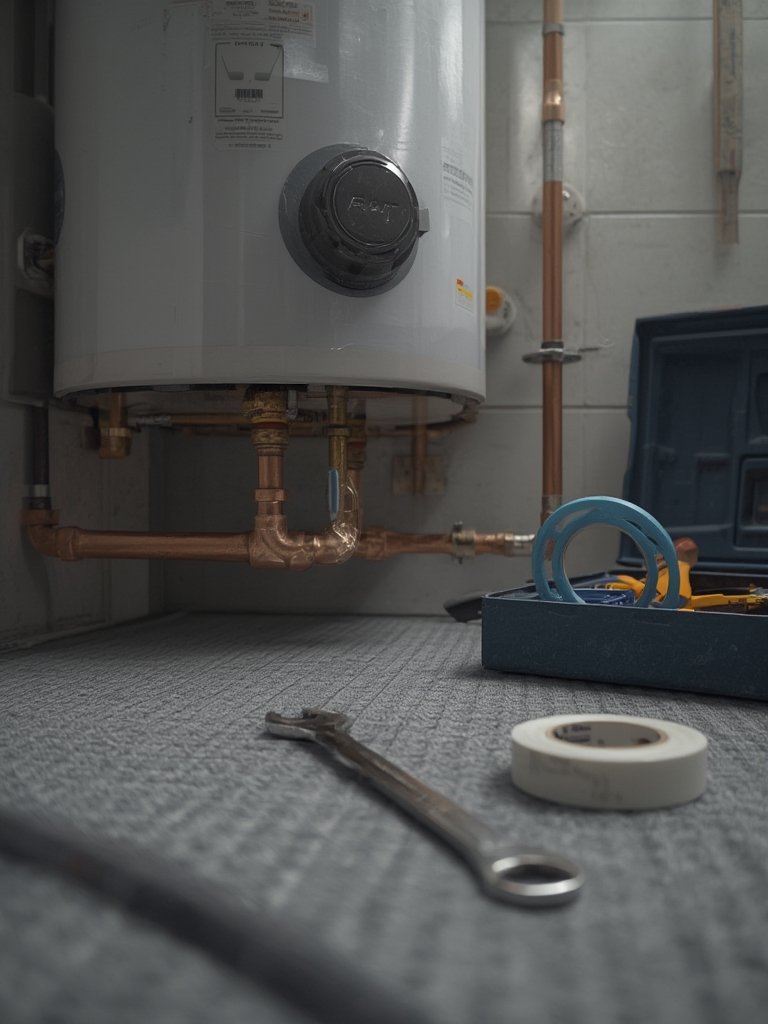
- Consider home upgrades along the way. Need a new rolling kitchen island for extra storage after your utility room gets rearranged? Or looking to create calm and organized spaces with a farmhouse storage bench? Organization matters when adding new appliances.
- If your HPWH shares circuits or closet space with other devices, you may need to re-route wiring—sometimes, a good drill or mechanics tool set makes DIY prep cheaper.
After install, set the thermostat to 120°F unless there’s a reason for hotter water. This saves energy and minimizes scald risk.
Real-World Issues, Hard Numbers, & Pitfalls
The hype is justified, but a heat pump water heater isn’t a one-size-fits-all solution. Here are the most persistent issues and how they stack up in 2024.
| Feature | Heat Pump Water Heater | Conventional Electric | Gas Water Heater |
|---|---|---|---|
| Typical Efficiency (EF / UEF) | 2.7 to 3.5* | ~0.92 | 0.6 to 0.7 |
| Estimated Annual Energy Cost | $110 to $250 | $300 to $600 | $250 to $500 |
| Maintenance Needs | Filter cleaning, annual checkup | Minimal (flush tank) | Pilot & vent checks, annual flush |
| Typical Installation Cost Range | $2,000–$4,500 (before rebates) | $600–$1,200 | $900–$1,700 |
| Noise Level | 45–60 dB (can be noticeable) | Silent | Silent |
| Rebate/Tax Credit Availability | Region-dependent; frequent | Rare | Rare |
| Climate Sensitivity | Lower performance in unheated, cold areas | Not sensitive | Not sensitive |
| Space Requirements | Larger than gas/electric | Compact | Compact |
*Real-world numbers are estimated as few independent studies exist. Source: Global Market Reports, 2024
- Noise: Many HPWHs operate at 45–60 decibels. This is comparable to a dishwasher—sometimes annoying if the heater is in a living area or near bedrooms.
- Installation Surprises: Some homes need electrical panel upgrades ($500–$2,000), extra venting, or condensate drainage. This can surprise first-time buyers—and estimates online often omit these costs.
- Lack of Data: Current 2024 research shows almost no hard data on real-world homeowner costs by region, especially after rebates. Be wary of generic nationwide cost averages found in older blog posts.
- Consumer Experience: No major reporting exists on negative reviews for specific brands or models, but forums discuss confusing interfaces, reliability in extreme cold, and some “out of hot water” complaints during high demand. Training your installer on heat pump tech helps reduce risk.
- Awareness Gaps: Both consumers and contractors are often unaware of the coming DOE mandate. As a result, some installers may try to push conventional units, even if they won’t be legally available for long. Verifying with an official source, like this 2024 regulatory summary, reduces the risk of buying outdated tech.
- Hybrid vs. All-Heat Pump: Upcoming demand for hybrid models (combined electric and heat pump) is growing, offering better flexibility for high water use homes.
Conclusion
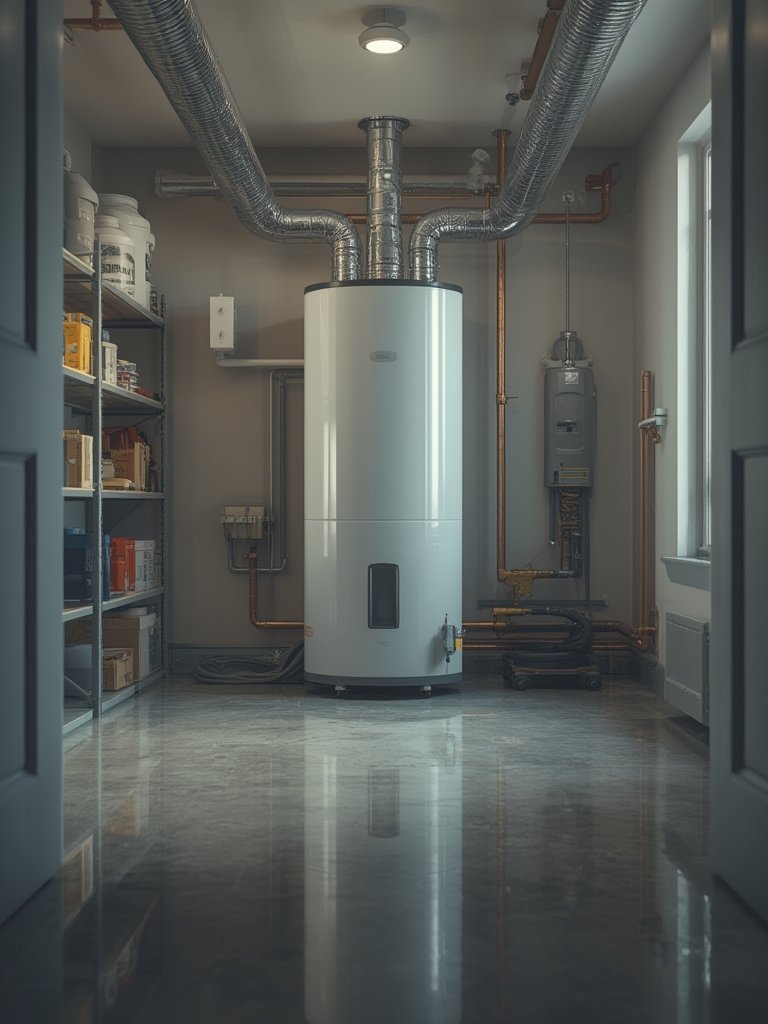
Heat pump water heater technology is no longer just for the ultra-green or bleeding-edge—it’s about to become the new normal due to federal standards, growing efficiency needs, and market expansion. While initial installation is more involved than swapping in a standard tank, families who plan ahead can achieve major cuts in hot water energy costs and avoid regulatory headaches down the road.
If you want to combine a heat pump water heater install with a fresh look in your utility area, check out a ladder bookshelf for stylish storage solutions. Curious about ventless laundry savings? Our ventless washer dryer guide explains how similar tech is changing laundry.
Ready to make your move? Start by confirming your panel is ready, get quotes from HPWH-experienced installers, and always read the fine print on rebates and utility incentives. The heat pump water heater you choose today will shape your home’s energy use for a decade—don’t leave it up to guesswork.
Frequently Asked Questions
Will I need new electrical work to install a heat pump water heater?
Most models require a 240V dedicated circuit. If your current setup is gas or 120V electric, you’ll likely need a panel upgrade and dedicated wiring. Always confirm with a licensed electrician before purchase.
Are heat pump water heaters noisy?
Yes, they generate noticeable sound—typically 45–60 decibels. Placement in a basement or garage helps keep noise from disturbing living spaces.
What rebates or incentives can I get in 2024?
Rebates depend on your region, utility company, and local government. There’s no universal 2024 incentive, but many areas offer $300–$1,500 rebates or tax credits for installing qualified HPWHs. Always check local programs before buying.
Will gas or conventional electric water heaters still be available after 2029?
For tanks over 35 gallons, the Department of Energy will require heat pump technology in most electric units sold after 2029. Gas heaters remain available but face increasing policy, cost, and installation restrictions.
Do heat pump water heaters work in cold climates?
Recent models perform better in unheated or cold basements, but efficiency drops as room temperature falls. Some units include backup electric heaters (hybrid mode) to ensure consistent hot water in extreme cold.
[…] wider home upgrades, see our guides on heat pump water heaters and ventless washer dryers—these trends often qualify for bundled utility rebates and similar […]
[…] your needs honestly, then browse detailed guides and reviews in our ventless dryer resource and heat pump water heater comparison to complete your efficient home setup. Ready to reclaim space and shrink your utility bills? Start […]
[…] in doubt—like with your ventless washer dryer or heat pump water heater—read the manufacturer’s installation notes and clearly label breaker switches before starting […]