

lawn leveling rake is a must-have for anyone aiming for a smooth, healthy yard without calling in a landscaping crew. Few tools can make your grass look as even, lush, and resilient as this simple but highly effective implement.
Key Takeaways
- The lawn leveling rake market is growing steadily with a focus on lightweight, easy-to-use designs for homeowners, but in-depth user feedback and side-by-side durability data are noticeably missing from leading reports.
- Proper technique, tool selection, and a few insider tricks are essential for effective lawn leveling—common mistakes can lead to wasted effort and uneven results.
- Most competitor content skips over actionable DIY steps, real maintenance issues, and specific purchasing advice—this guide lays out precisely what actually matters for homeowners.
- Lawn Leveling Rake: What It Is and Why It Matters
- How to Level Your Lawn with a Lawn Leveling Rake: Step-by-Step
- Advanced Analysis & Common Pitfalls
- Conclusion: Should You Invest in a Lawn Leveling Rake?
- FAQ: Lawn Leveling Rakes Decoded
Lawn Leveling Rake: What It Is and Why It Matters
If you notice bumps, dips, and patchy growth across your yard, you’re not alone—uneven lawns frustrate nearly everyone who cares about curb appeal and healthy turf. A lawn leveling rake is a wide, flat-headed landscaping tool designed to spread and smooth topdressing soil, sand, or compost over the surface of your grass. Unlike standard leaf or landscaping rakes, it’s built for precise, low-angle contact, which helps fix small undulations, seed thin patches, and prevent water from pooling after rain.
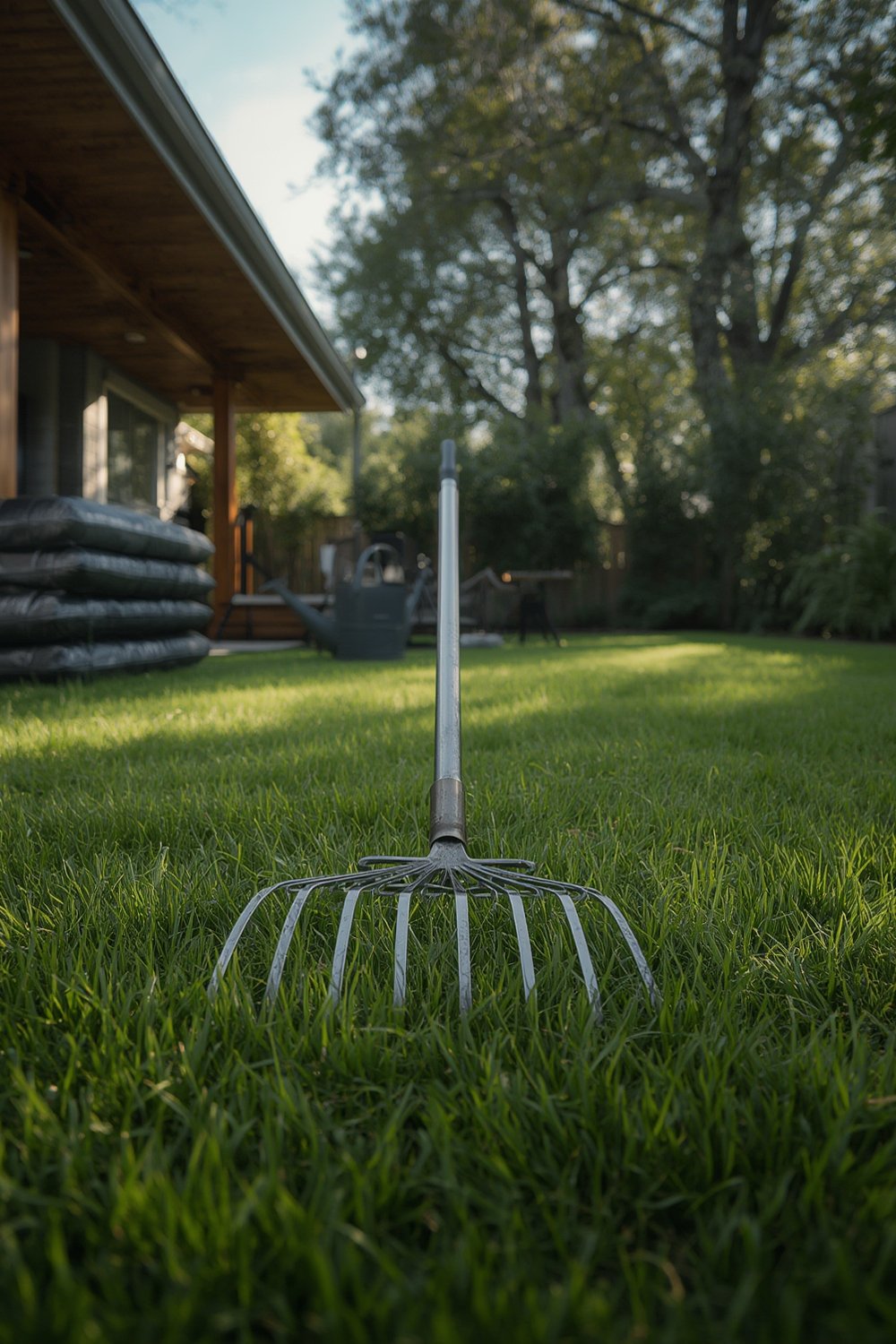
Homeowners, DIYers, and pros use lawn leveling rakes most often in early spring or fall to dress lawns, repair winter damage, or prep for new seeding. With the global market for these tools projected to reach up to $540 million in coming years (source), they’re a staple in yard care. North America leads in adoption, driven by the rise of DIY landscaping and home improvement culture (source).
Still, most published research skips over everyday questions—how these rakes actually perform, what can go wrong, and if they’re truly worth buying over a DIY workaround. This guide closes those gaps.
How to Level Your Lawn with a Lawn Leveling Rake: Step-by-Step
Getting a perfectly even yard is possible—if you follow the right steps for your specific grass, soil, and goals. Here’s what works, what to avoid, and the practical workflow that delivers a genuinely level lawn at home.
- Prep the Area: Clear debris, remove thatch, mow short. Spot-treat weeds if needed. Wetting the soil the day before can soften hard spots, making raking easier.
- Identify Problem Spots: Walk the lawn in a crisscross pattern. Mark or mentally note dips, holes, and high points. For subtle problems, use a long 2×4 or level as a guide.
- Mix and Apply Topdressing: Use a blend of clean sand and organic compost. Spread evenly with a shovel or garden fork—aim for 1/4 to 1/2 inch max at a time.
- Level with Your Rake: Use slow, overlapping passes. Hold the rake at a shallow angle to feather and blend, pushing extra mix into low areas and smoothing humps. Use light pressure—forcing it can tear or smother grass.
- Water Lightly: Irrigate just enough to settle the mix and help it sink naturally into depressions.
- Let the Grass Recover: Wait 7-14 days, monitor for lumpy patches (add more mix if needed), and repeat the process up to three times per season if results aren’t perfect after one pass.
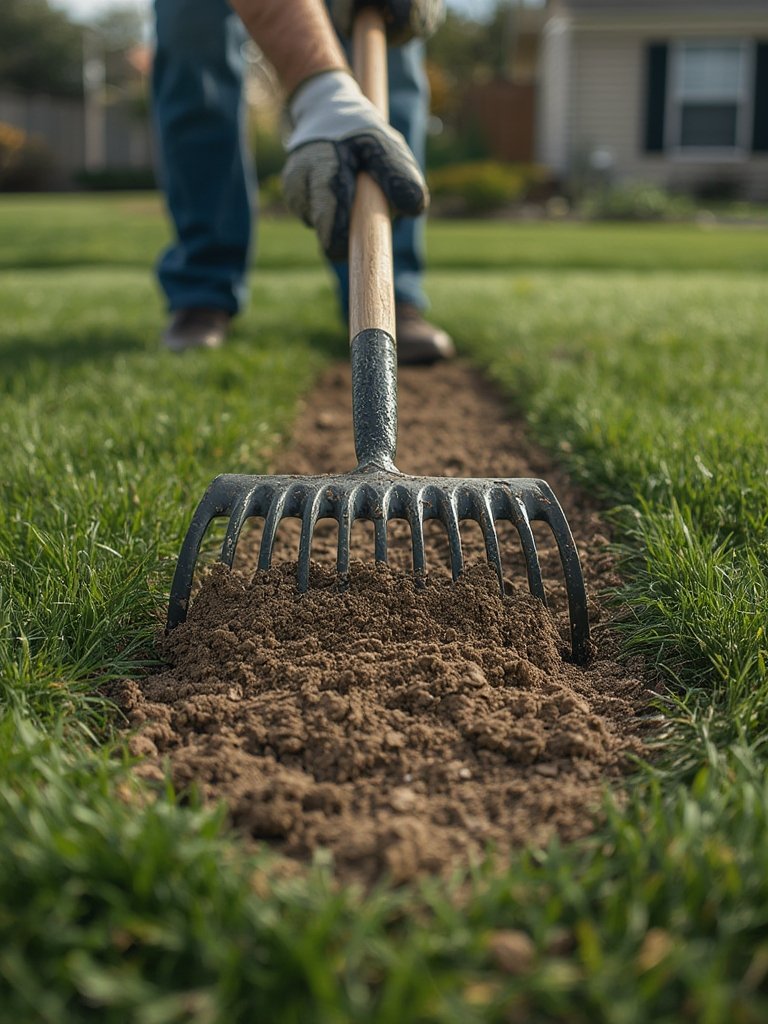
Some homeowners like to use DIY tools—like repurposed plywood, heavy fencing, or even broad push brooms—as a leveling aid. While budget-friendly, these improvisations rarely match the even finish or speed of a purpose-built lawn leveling rake.
If you’re designing your yard with convenience in mind, be sure to check out innovative storage tips and smart furniture in resources like Our Honest Shintenchi Rolling Kitchen Island Review and Slim, Solid, and Unfussy: Our Honest Plank+Beam Wood Console Table Review for complementary outdoor and indoor solutions.
Advanced Analysis & Common Pitfalls
Not every lawn leveling project delivers perfectly flat, green grass. Choosing the wrong tool, improper topdressing techniques, or rushing the job are common problems. Here are realistic issues and fixes, bolstered by available market research (source):
- Using Too Much Topdressing: Adding more than half an inch of mix at once can cause suffocated roots or kill patches of grass.
- Heavy, Awkward, or Low-Quality Tools: Many cheaper rakes feel too cumbersome or flex under pressure, leading to uneven results or early breakage. However, in-depth durability statistics are rarely published—even by top brands such as Ames or Razor Back (source).
- Choosing the Wrong Rake or Material: Golf-course rakes tend to be heavier, wide, and often overkill for smaller residential yards. Residential designs prioritize lighter frames and shorter, ergonomic handles (source).
- Skipping the Lawn Pre-Prep Stage: Failing to mow quickly exposes all flaws in the final result and can compact the soil further.
- Not Fixing Deep Depressions First: Trying to patch deep holes using only the rake and a thin topdressing layer usually fails—fill deeper spots in advance.
| Feature | Professional Lawn Leveling Rake | DIY Leveling Tool (e.g., Drag Mat, Plywood, Broom) |
|---|---|---|
| Leveling Efficiency | High—designed for smooth, even results with minimal passes. | Medium to low—more effort required, typically less uniform finish. |
| Durability | Varies. Brand names (Ames, Razor Back) expected to last years, but no precise data available. | Mixed. Often breaks faster or cannot handle heavy soil, especially improvised tools. |
| Cost | Medium ($50-150 USD range). Exact 2024 pricing not widely published. | Low (made from spare materials) |
| Ease of Use | High—ergonomic, suited for long sessions | Low—awkward, heavy, can cause fatigue faster |
Competitor articles gloss over negative feedback and warranty claims for major brands, so always inspect user reviews before buying. Look for mentions of weld failures, bending, or handle breakage—these are more common with bargain options.
Keep in mind, leveling your yard adds value to your landscape much like investing in durable, stylish planters does for your entryway or garden (Our Honest Kante Lightweight Concrete Planter Review, Our Honest Pure Garden Outdoor Planter 2-Pack Review).
Conclusion: Should You Invest in a Lawn Leveling Rake?
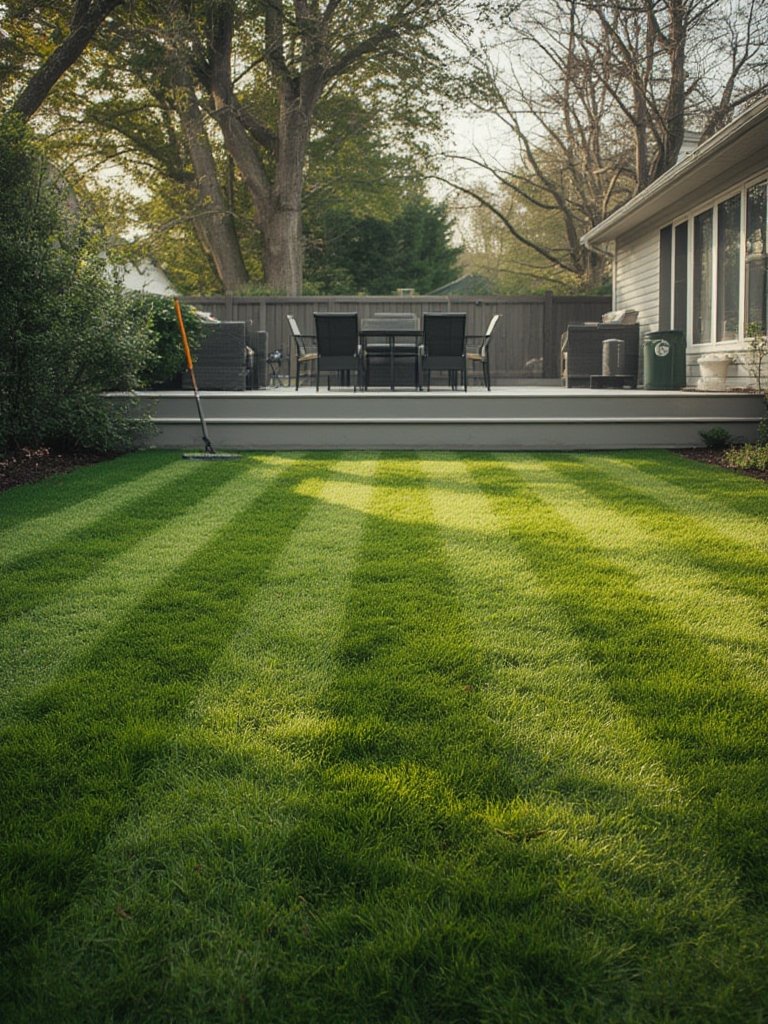
The right lawn leveling rake can make the difference between a patchy, frustrating yard and a visibly even, healthy lawn. While competitor articles skip details on pricing, user complaints, or DIY difficulty, this guide shows that technique, prep, and tool quality truly matter. If curb appeal, comfort, and a strong lawn matter to you, a lawn leveling rake is a smart investment—especially if you want fast, reliable results you can repeat yearly without hiring pros.
Want a great-looking lawn or backyard that functions as well as it looks? Explore our reviews on entryway benches and accessory dwelling units to upgrade every square foot of your property. Ready to get leveling? Start today and enjoy a smoother, greener space this season.
FAQ: Lawn Leveling Rakes Decoded
How often should I level my lawn with a lawn leveling rake?
Most lawns only need leveling once a year, usually in early spring or fall. For heavily damaged or irregular lawns, you may repeat the process up to three times per season.
What materials work best for topdressing during lawn leveling?
Use a 70/30 blend of clean sand and organic compost. Avoid pure sand or topsoil unless your grass type specifically requires it.
Are there major differences between budget and premium lawn leveling rakes?
Yes—premium rakes offer better durability, lightweight construction, and more efficient results. Cheap models often bend, rust, or become unusable after just a few sessions.
Can I DIY a lawn leveling rake instead of buying one?
It’s possible to use household items for smaller spaces, but these usually lack balance and can leave streaky, uneven results compared to a professional tool.
Is there a difference between a lawn leveling rake for golf courses and residential use?
Golf course rakes are usually heavier, wider, and built for very large, flat areas. Residential models are lighter, narrower, and designed for easier handling in home yards.
—
[…] honest pet gear advice and home solutions, explore our guides on unique home upgrades or practical lawn improvements […]