
LVP flooring is changing what homeowners and property managers expect from resilient, affordable floors in 2024. If you want true wood looks, easier cleaning, and water resistance—without the sky-high cost of hardwood—this guide is for you.
Key Takeaways
- LVP flooring offers convincing wood visuals, top durability, and costs far less than hardwood, driving major growth in U.S. homes and rentals.
- The average LVP material costs $2-8 per square foot in 2024. DIYers can save even more by self-installing, but must avoid common mistakes.
- Despite strong water and scratch resistance, LVP does have pitfalls. Choosing the right underlayment and watching for installation errors improves long-term results.
- What Is LVP Flooring and Why Is It So Popular?
- DIY LVP Flooring Installation: A Step-by-Step Guide
- Advanced Analysis & Common Pitfalls
- Conclusion
- FAQ
What Is LVP Flooring and Why Is It So Popular?
LVP flooring stands for Luxury Vinyl Plank—a synthetic plank floor that mimics wood or stone, provides strong water and scratch resistance, and is affordable versus traditional surfaces. In 2024, the global vinyl flooring market (including all vinyl plank and tile) reached $25.4 billion, with a projected 5.52% CAGR through 2034. North America leads this surge, especially for residential remodels and large rental properties seeking a stylish, low-maintenance solution.
Owners and managers are choosing LVP because:
- It averages $2-8 per square foot—while hardwood is $12-20 per square foot.
- It is far more water-resistant than laminate or wood.
- It is faster and easier to install—even for DIY beginners.
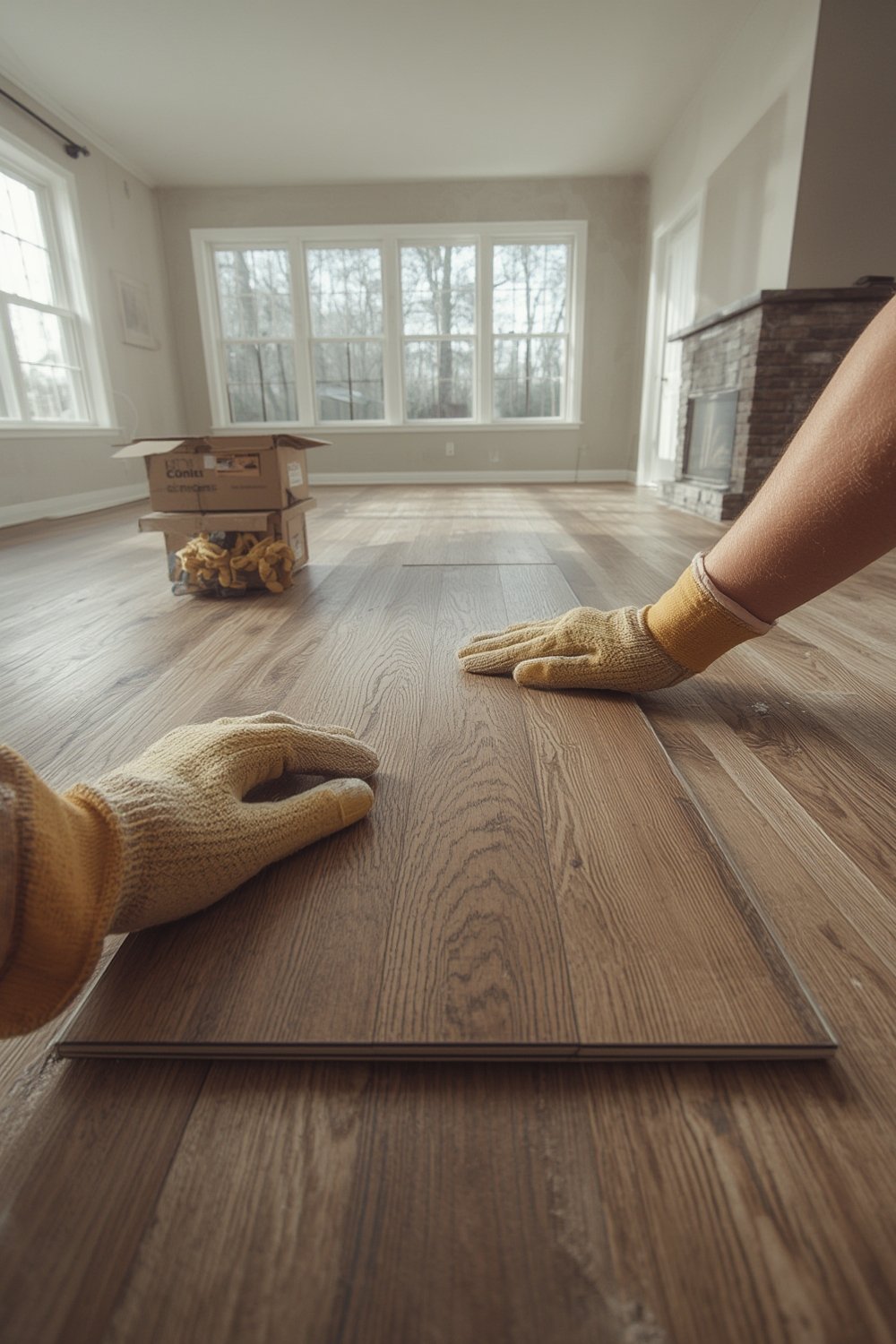
The strong growth is driven by LVP’s blend of modern style, comfort underfoot, and nearly waterproof construction. Both homeowners and landlords are using it for main living areas, basements, kitchens, and even bathrooms. Commercial facilities like offices and hotels (holding over 54% of the segment in 2024) are rapidly replacing worn-out tile or wood with luxury vinyl for its durability.
Curious about how LVP fits in with other trending, easy-care surfaces? Our washable rug care guide covers soft, spill-friendly options if you want flexible floor layering over LVP.
DIY LVP Flooring Installation: A Step-by-Step Guide
Most LVP floors use a simple click-lock mechanism—making them within reach for anyone with basic measuring and cutting skills. Here are the essential steps to install LVP yourself, from prep to finishing touches:
- Measure your space and calculate overage. Order 10% extra LVP to allow for errors and cuts.
- Acclimate planks. Let flooring sit in the room with all boxes open for at least 48 hours.
- Prep the subfloor. Ensure it is clean, dry, level, and smooth. Scrape debris and repair dips or bumps over 1/8 inch.
- Lay your underlayment (unless planks include it). Underlayment reduces noise and improves comfort—check the LVP packaging.
- Plan your layout. Dry-lay a few rows. Stagger ends by at least 6 inches for a natural wood effect. Avoid boards less than 8 inches at wall edges if possible.
- Start with the longest, straightest wall. Place spacers between flooring and wall for 1/4 inch expansion gap.
- Cut planks as needed. Use a sharp utility knife for thinner vinyl, or a fine-tooth saw on thicker planks.
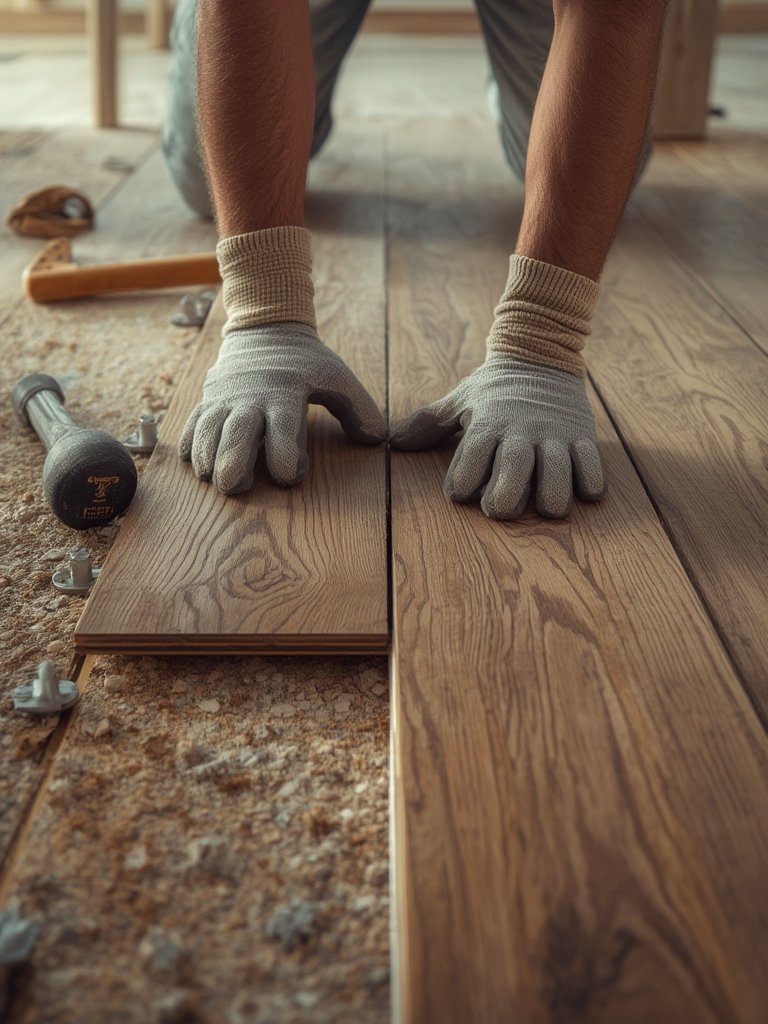
- Click and lock planks row by row. Seat each plank tightly; tap with a mallet and block as needed.
- Finish with trim. Remove spacers and install baseboards or quarter round to cover gaps.
Don’t forget—LVP isn’t the only DIY-friendly floor making waves. If you’re weighing other tough, waterproof planks (especially for rentals), check out our hands-on comparison of SPC flooring and how it stacks up for easy installs.
Common Tools You’ll Need:
- Utility knife (or vinyl plank cutter for large jobs)
- Measuring tape and pencil
- Rubber mallet and tapping block
- Pull bar (for tight end pieces)
- Spacers (for expansion gap)
- Saw (for thick planks or detailed cuts)
- Underlayment (if needed)
Plan a weekend for a medium room (200-300 sqft), especially if it’s your first flooring project. For advice on prepping tools/appliances for home DIY, see our honest DEWALT compact drill driver review—it covers drill features handy for tough installations.
Advanced Analysis & Common Pitfalls
LVP is popular, but it’s not without challenges. Here’s what to realistically expect—and how you can get pro-level results by planning around typical issues:
- Subfloor Matters Most: Minor dips or bumps let planks move, click apart, or wear unevenly. Always fill or grind imperfections above 1/8 inch.
- Expansion Gaps: Skipping the 1/4 inch gap makes planks buckle in humid climates or near heating vents. Spacers are mandatory—even against fixed cabinets or doorframes.
- Improper Acclimation: If planks aren’t left to adjust to room temperature, they may shrink or expand after install—causing gaps or lifting.
- Wrong Underlayment: Using thick, soft foam (meant for laminate, not LVP) can cause bouncy floors or weak joins. Match underlayment to LVP specs.
- Poor Plank Staggering: Short seams or pattern repeats give a fake look and weaken floors.
- Heavy Water Damage: While most LVP is highly water resistant, edge leaks or standing water (think: flooded basements or failing appliances) can reach the subfloor and lead to warping.
| Feature | LVP Flooring | Traditional Hardwood | Laminate |
| Water Resistance | Excellent | Poor (except rare engineered types) | Poor to Fair |
| Durability | Very Good | Excellent, but sensitive to moisture | Fair (Vulnerable at seams) |
| Average Installed Cost | $2-8/sqft (+tools & underlayment) | $12-20/sqft | $1.5-5/sqft |
| Realism of Appearance | High (textured, embossed, varied graining) | Highest (real wood) | Good, but typically repetitive patterns |
| DIY Friendliness | Excellent | Difficult (pro required for best results) | Good |
Data sources: Precedence Research, Scharm & Co.
A few issues rarely discussed in other LVP guides but worth considering for demanding environments:
- Extreme Climates: In unheated cabins or humid basements, choose LVP rated for wide temperature swings. Cheap planks may gap or curl.
- Rental Properties: LVP is nearly ideal for renters; however, heavy furniture can dent thin planks, and improper cleaning (harsh chemicals, soaking mops) may void warranties.
- Very High-Traffic Households: Dogs, kids, and heavy shoes will scratch and dull even tough finishes. Use “pet-proof” LVP where possible, and always request sample warranties or manufacturer test data. See our guide to creating pet-friendly living spaces for more on protecting your investment.
Looking for a design-forward room accent that works with wood-look vinyl and is easy to move for cleaning? Explore our honest review of the Kante lightweight concrete planter or see how a small rolling kitchen island can add storage without damaging your new floors.
Conclusion
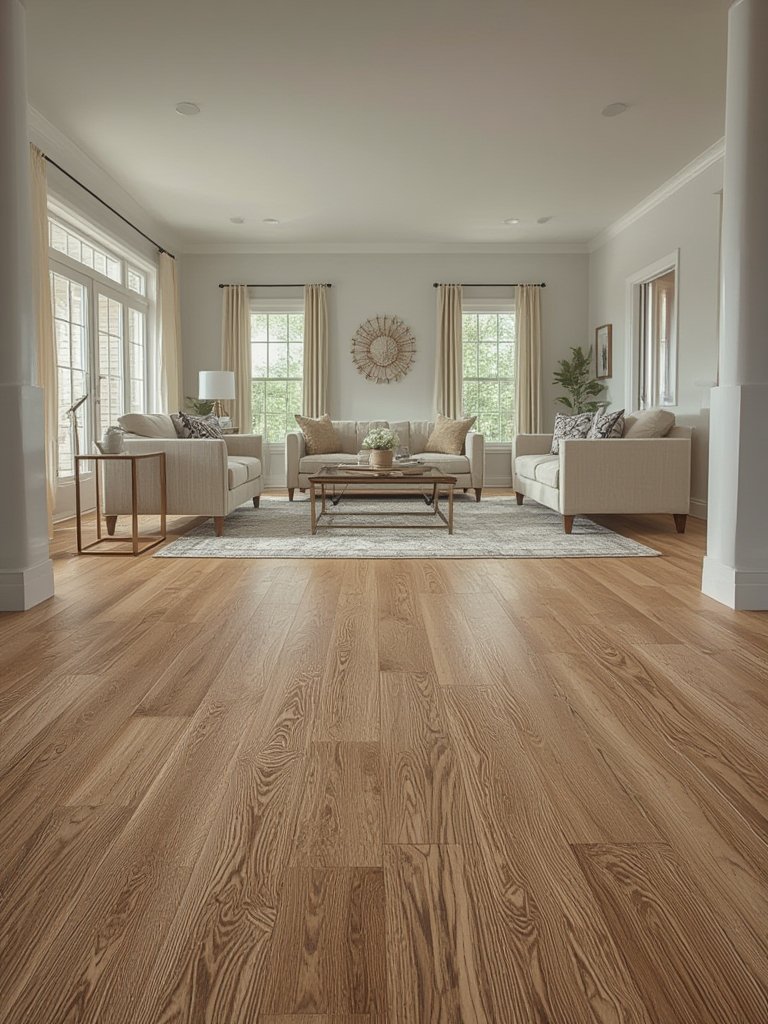
LVP flooring offers a rare combination of realistic wood styling, water resistance, and affordable installation—making it a dominant choice for American homes, rentals, and offices in 2024. Prepare your subfloor, use the right underlayment, and follow these practical steps for a long-lasting, beautiful floor.
Ready to transform your space with LVP flooring? Pick your favorite finish, gather your tools, and start planning a project that brings both value and lasting style to your home.
For more on next-gen floor and home innovations, check out our guides on ventless washer dryer technology, smart home EV charging, or unique vintage tile inspiration.
FAQ
Is LVP flooring really waterproof?
LVP flooring is highly water resistant, making it suitable for kitchens, bathrooms, and basements. However, continuous standing water or flooding can still reach seams or the subfloor, causing potential damage over time. Always wipe up spills quickly for best results.
Can I install LVP over old tile or vinyl?
Yes, in most cases. The surface must be level, clean, and fully adhered. Any loose, damaged, or very uneven areas should be repaired or removed first.
What’s the average total cost for DIY LVP installation?
The average LVP material price in 2024 is $2-8 per square foot. With underlayment and basic tools, most DIYers spend $2.75-9 per sqft total—still far beneath professional hardwood installs.
Does LVP scratch or dent easily from pets or heavy furniture?
Quality LVP is engineered to be scratch and dent resistant but not scratch-proof. Heavy pets, dragged furniture, or high heels can cause wear. Using felt pads and choosing LVP rated “pet proof” can minimize damage.
Do I need to budget for underlayment with LVP flooring?
Some LVP comes with attached underlayment; others require a separate layer for comfort, noise reduction, or moisture. Check your specific product details. Avoid using thick, spongy underlayment not recommended for vinyl planks.