

Pet fountain sales are exploding for a reason: they make it easier for pets to stay hydrated, but they’re not all created equal—choosing the wrong model can lead to cleaning headaches, noise complaints, and wasted money. Here’s what actually matters if you want to avoid the usual mess and pick a pet fountain that truly supports your cat or dog’s health.
Key Takeaways
- Automatic pet fountains promote healthier hydration, but real-world product differences (noise, cleaning, filter costs) matter more than hype.
- Most market growth is driven by pet humanization and city living, not just health trends—quality and convenience separate the best models.
- Few brands publish hard data on reliability or health benefits; look beyond the marketing to user feedback and practical features.
- Why Pet Fountains Matter for Modern Pet Owners
- How to Choose and Use a Pet Fountain (Step-by-Step)
- Advanced Analysis & Common Pitfalls With Pet Fountains
- Conclusion & Next Steps
- Frequently Asked Questions
Why Pet Fountains Matter for Modern Pet Owners
Pet fountains deliver running water for cats and dogs—encouraging them to drink more, which supports their kidneys and urinary health. Urban living, hectic schedules, and the trend of seeing pets as family have caused a surge in the pet fountain market, with sales projected to jump from USD 178 million in 2024 up to nearly USD 500 million by 2035 (source,
source). A good pet fountain circulates and filters water, prevents stagnation, and appeals to pets’ natural instincts, especially cats (who often prefer moving water).
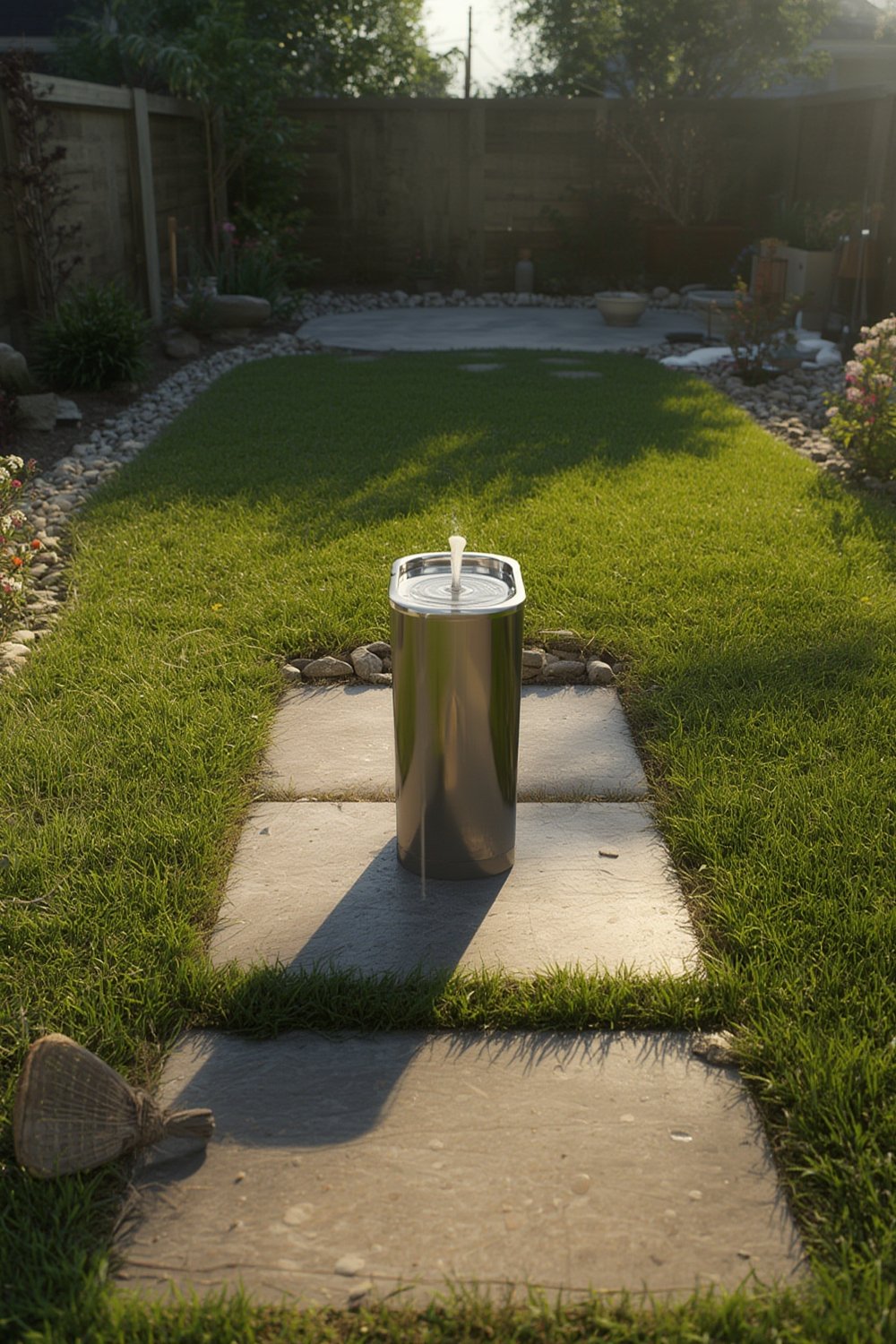
But not all pet fountains work the same way. Choices range from basic plastic models to pricier stainless steel units, with features like silent pumps, multiple filtration stages, and app control. Real-life differences aren’t always obvious from the product box—owners report issues with cleaning, noise, and filter expenses that go largely undiscussed in manufacturer marketing.
As a growing number of pet owners choose time-saving solutions like automatic litter boxes (see this honest self-cleaning litter box review) or design-conscious cat furniture (discover the cat sofa trend), the question isn’t whether to get a pet fountain, but how to pick one that doesn’t cause daily frustration.
How to Choose and Use a Pet Fountain (Step-by-Step)
-
Assess Your Pet’s Size and Drinking Habits
For cats or small dogs, a compact 1-2 liter fountain suffices. Large dogs or multipet households need higher water capacity. Watch how your pets approach water bowls—timid drinkers may prefer quieter, lower spout designs. -
Prioritize Material for Health and Maintenance
Stainless steel costs more but is less likely to harbor bacteria and easier to scrub clean. BPA-free plastic is affordable and common, but scratches easily. Ceramic is heaviest but aesthetically pleasing—consider if it fits your cleaning routine. -
Check Filtration and Pump Specs
Multi-stage filters (carbon, foam, mesh) trap hair and debris. Ask for decibel ratings: anything above 35-40dB may be audible, especially at night. Opt for energy-efficient pumps to keep long-term costs in check. -
Verify Ease of Cleaning and Filter Replacement
Look for models with dishwasher-safe parts. Compare filter prices and replacement frequency—some filters last 2-4 weeks, others require bi-weekly swaps. -
Monitor Water Levels and Test for Noise
Many fountains make noise when the reservoir runs low. Top off daily. Run the unit before tossing packaging—returns are easier before it’s covered in pet hair.
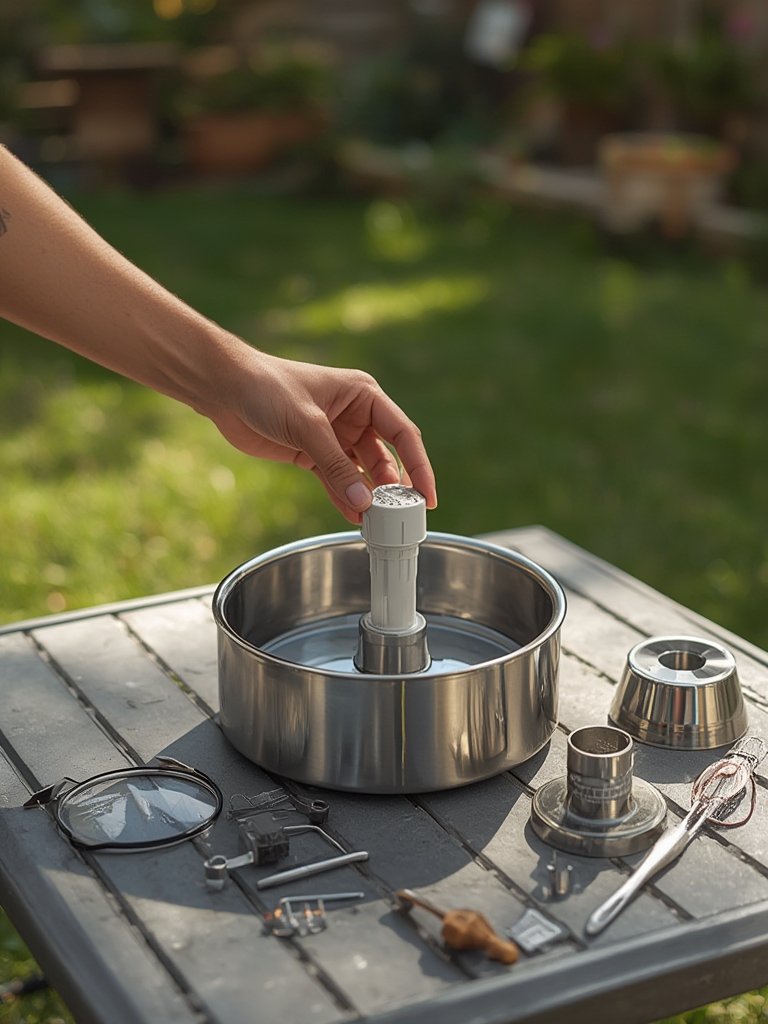
For smart home setups, consider pairing a pet fountain with a smart pet feeder for truly automated hydration and feeding. Just remember: tech for tech’s sake doesn’t replace daily checks—manual backups (like tabletop water bowls) are critical if the power goes out.
If your cat or small pet avoids the fountain at first, try moving it to a quieter room or using bottled water to see if taste or noise is the blocker. Stealthier units—often stainless steel—can be worth the extra cost if you’re in a small apartment or pets are easily startled.
Advanced Analysis & Common Pitfalls With Pet Fountains
Pet fountain ownership isn’t as plug-and-play as packaging claims. Market research shows fast growth—mainly due to pet humanization and urban convenience (source)—but user experience varies:
- Cleaning Fatigue: Most complaints center on slimy biofilm, hard-to-reach crevices that breed slimy biofilm. Models with fewer parts and wide openings are easier to scrub.
- Pump Noise: Nearly all fountains get noisier as hair or limescale builds up. Even “silent pumps” can click, buzz, or hum over time. Check decibel levels if listed—a quiet pump should measure under 35dB.
- Filter Costs: Replacement filters add up quickly. Some owners attempt DIY filters, but this can jeopardize water quality. Shop by filter price and lifespan, not just fountain sticker price.
- Material Issues: Cheap plastic scratches (and harbors bacteria). Ceramic chips. Stainless steel is safest for cats prone to acne or allergies—but often costs double.
- Reliability Concerns: A small percentage of pumps fail within months, especially if not cleaned regularly. Energy-saving pumps may wear out faster with hard or mineral-heavy water.
| Feature | Plastic | Stainless Steel | Ceramic |
|---|---|---|---|
| Upfront Cost | $20–40 | $45–80 | $35–70 |
| Filter Cost (Annual) | $25–$80 | $30–$90 | $25–$80 |
| Noise Level | 35–55dB | 20–35dB | 25–45dB |
| Cleaning Ease | Fair | Easy | Good |
| Durability | Low | High | Medium |
| Certifications | Typically BPA-free only | Rarely certified, but hygienic | No standard certifications |
While market leaders talk about benefits, almost none provide decibel ratings, independent lab certifications, or breakdowns of long-term filter costs. No industry-wide safety recalls or stainless steel certifications were reported in 2024–2026 (source). For reliable safety and pet-wellness improvements, user reviews still outpace official data.
Want to create a safer, more enriching environment for your pets? Check out modern barkitecture trends or upgrade your cat’s hydration and outdoor options with a catio project too.
Conclusion & Next Steps
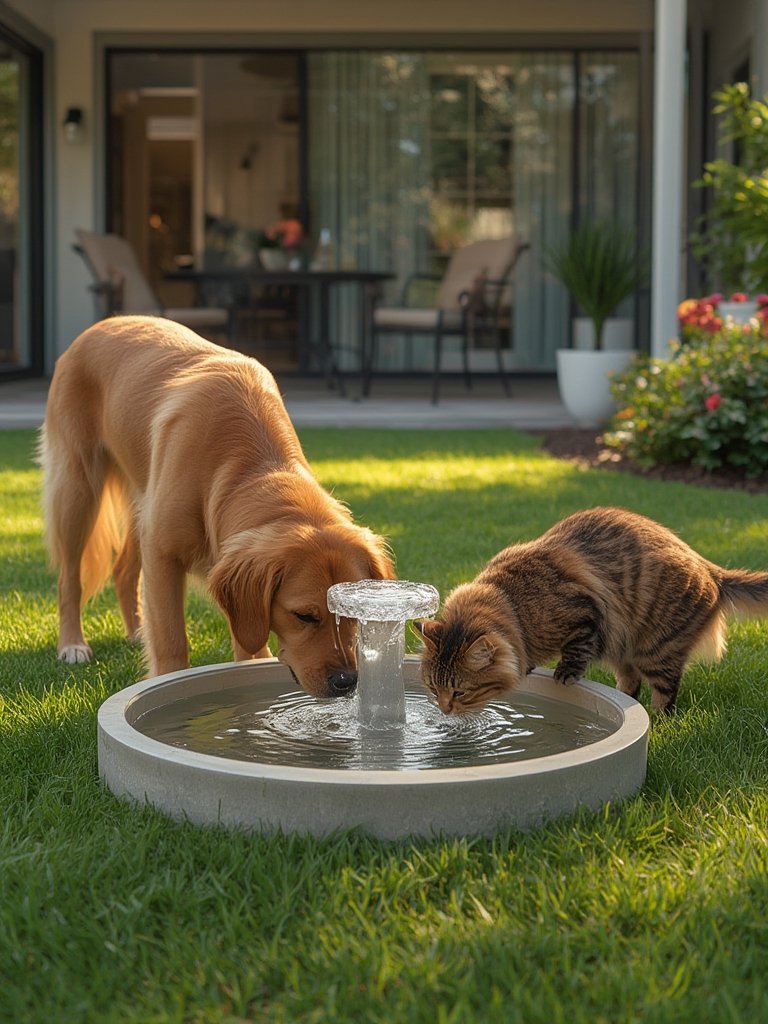
A pet fountain can genuinely improve your pet’s health and your own convenience—but only if you choose the right materials, watch for hidden costs, and have a cleaning routine. Compare filter prices, don’t chase the cheapest plastic model, and make sure your pet is comfortable with running water. For more honest pet gear advice and home solutions, explore our guides on unique home upgrades or practical lawn improvements next.
Ready for easier hydration? Shop carefully, read user reviews, and revisit this guide as new models hit the market.
Frequently Asked Questions
Are stainless steel pet fountains really worth the extra cost?
Stainless steel is less likely to scratch or harbor bacteria, which helps keep water fresher and reduces biofilm buildup. Owners report these models are easier to clean and last significantly longer, though they can cost twice as much as basic plastic fountains.
How often should I change the filter in my automatic pet fountain?
Most manufacturers recommend changing filters every 2–4 weeks, but frequency depends on the number of pets, water quality, and local debris. Keep extra filters on hand and rinse them before first use to avoid black carbon dust.
Can I leave my pet fountain running while I’m away?
Yes, running a pet fountain continuously helps keep water oxygenated and reduces bacteria. Be sure to top off the tank, clean it before leaving, and ask a pet sitter to check for clogs or low water.
What are the main pain points pet owners complain about with water fountains?
Common negatives include pump noise (especially as units age), cleaning slim, hard-to-reach areas, frequent filter changes, and the hassle of ordering specialty filters. Choosing models with fewer parts and known quiet pumps can help.
Are there any recalls or safety certifications for pet drinking fountains?
No major safety recalls or industry-wide standards for stainless steel pet fountains were reported in the last two years. Always select BPA-free plastics or stainless steel for peace of mind.