

### Blog Post:
Plant collecting has evolved from a niche hobby to a booming movement among Millennials and Gen Z, driven by a thirst for unique greenery and social connection. But beneath the pretty leaves and thriving communities are real challenges, misconceptions, and a knowledge gap about rare plant swaps. This honest guide walks you through what’s hype, what’s real, and what no one tells you when you start collecting plants—especially if you crave rare finds.
Key Takeaways
- Interest and spending on plant collecting among Gen Z and Millennials soared in 2024, but solid data on rare plant swaps is still missing.
- Swapping rare plants is rewarding but comes with risks like lack of transparency, plant health surprises, and unclear ethical boundaries.
- Success as a collector requires a skeptical eye, basic biosecurity, and community savvy—there’s no shortcut to expertise.
- What Is Plant Collecting and Why Is It Booming?
- How to Start (and Succeed) With Plant Collecting and Swaps: Step-by-Step
- Advanced Analysis & Common Pitfalls in Plant Collecting
- Conclusion
- Frequently Asked Questions (FAQ)
What Is Plant Collecting and Why Is It Booming?
Plant collecting is the intentional pursuit of unique, rare, or meaningful plants—often with a focus on houseplants, tropical species, or high-value varieties like hoyas and philodendrons. Collectors chase everything from vintage succulents to hard-to-ship rare aroids, either through swaps or specialist sellers. The appeal? It combines nature therapy, social connection, and the satisfaction of nurturing living things.
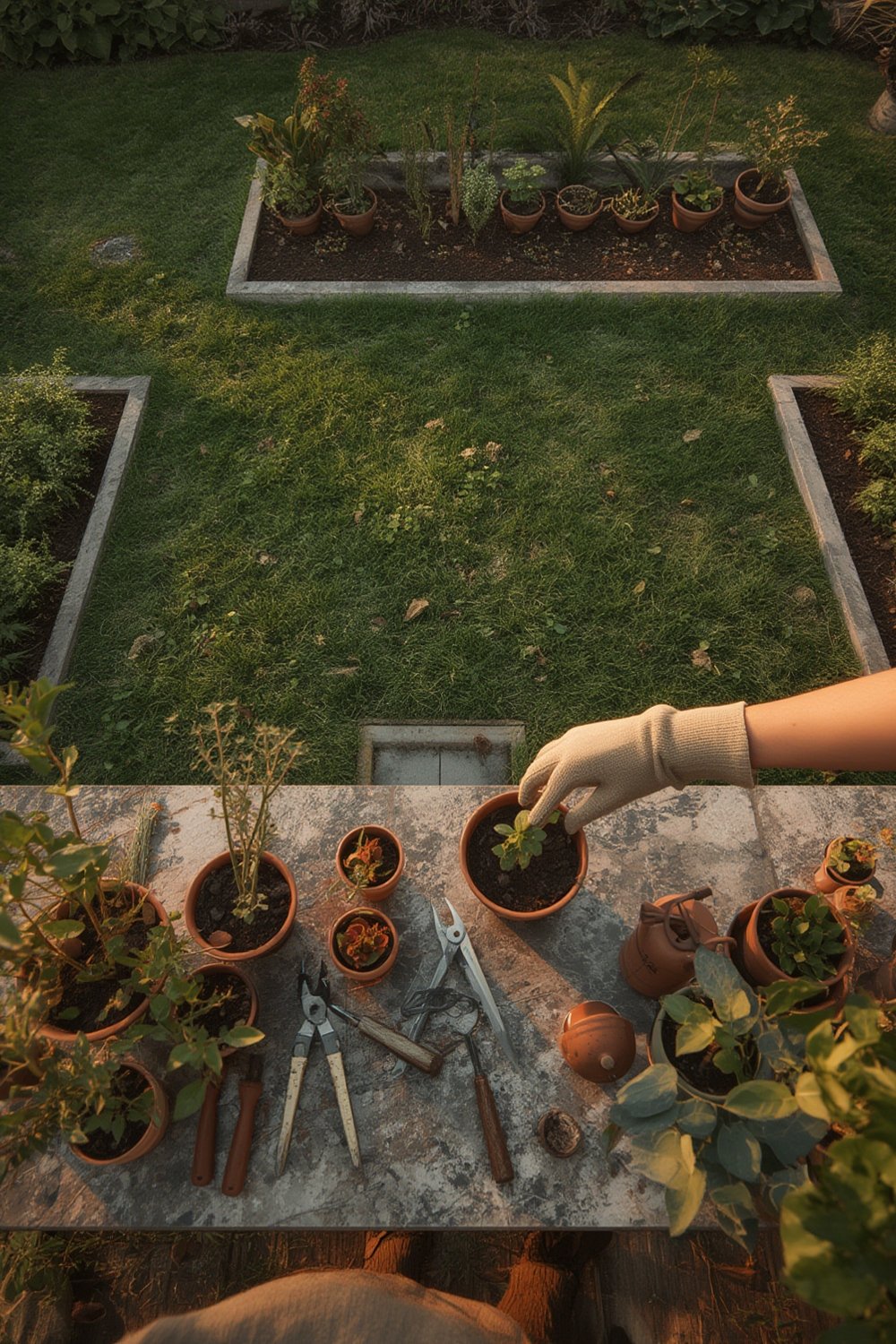
The surge is especially strong among younger generations. According to sources like Axiom’s Gardening Outlook 2025, over 62% of Gen Z spent more money on gardening in 2024 than the year before, and over 71% plan to expand their plant collections. Millennials are close behind. The “plant parent” culture—once mocked—has become a genuine driver of indoor gardening and connection, as shown in recent houseplant industry statistics.
But here’s what doesn’t show up in the numbers: true rare plant swaps, community-led trading, and the nitty-gritty of how the most passionate collectors actually find, swap, and care for rare treasures. While general houseplant sales grew around $7 million from 2019–2021 (source), data on the underground world of rare swaps barely exists. Much is word-of-mouth, local Facebook groups, or old-school plant meetups—each with a distinct atmosphere and unspoken rules.
If you’re genuinely curious about diving into rare plant collecting, this post is for you: honest, hype-free, and based on what’s actually working for real people right now.
How to Start (and Succeed) With Plant Collecting and Swaps: Step-by-Step
Diving into plant collecting isn’t just about hitting a garden center or scrolling online shops. The real thrill (and risk) happens in collector-led swaps and groups. Here’s how to navigate your first rare plant swap and set yourself up for success.
- Do Your Homework
Join local Facebook groups, Discord servers, or plant subreddits dedicated to your area. Lurk first—see who’s active, who’s trusted, and which swaps have good reviews. - Decide What to Collect
Are you hunting for hoyas, rare philodendrons, or oddball succulents? Research their care, availability, and realistic swap value. There’s a world of difference between trading a common pothos and scoring a variegated monstera. - Prepare Your Plants for Swapping
Only offer healthy, pest-free cuttings or established plants. Consider labeling the plant, last treatment, and growing conditions—it shows you’re serious and builds trust. - Negotiate Transparently
Be clear about what’s being swapped. If rooting is incomplete or the plant has flaws, state it upfront. Honest deals make repeat swappers and avoid drama later. - Meet at Neutral, Safe Locations
When swapping in person, pick a public place. If shipping, agree on packing standards and track the parcel. - Quarantine and Observe
Once you land your new prize, isolate it. Check roots, stems, leaves—and give it recovery time before integrating into your main collection. - Document Everything
Keep photos of the original plant, packing process, and the swap exchange. If something goes wrong, you’ll have proof to back up your claim. - Share Your Experience
Good or bad, posting your swap stories (anonymously if needed) helps clean up the community and raises the bar for everyone.
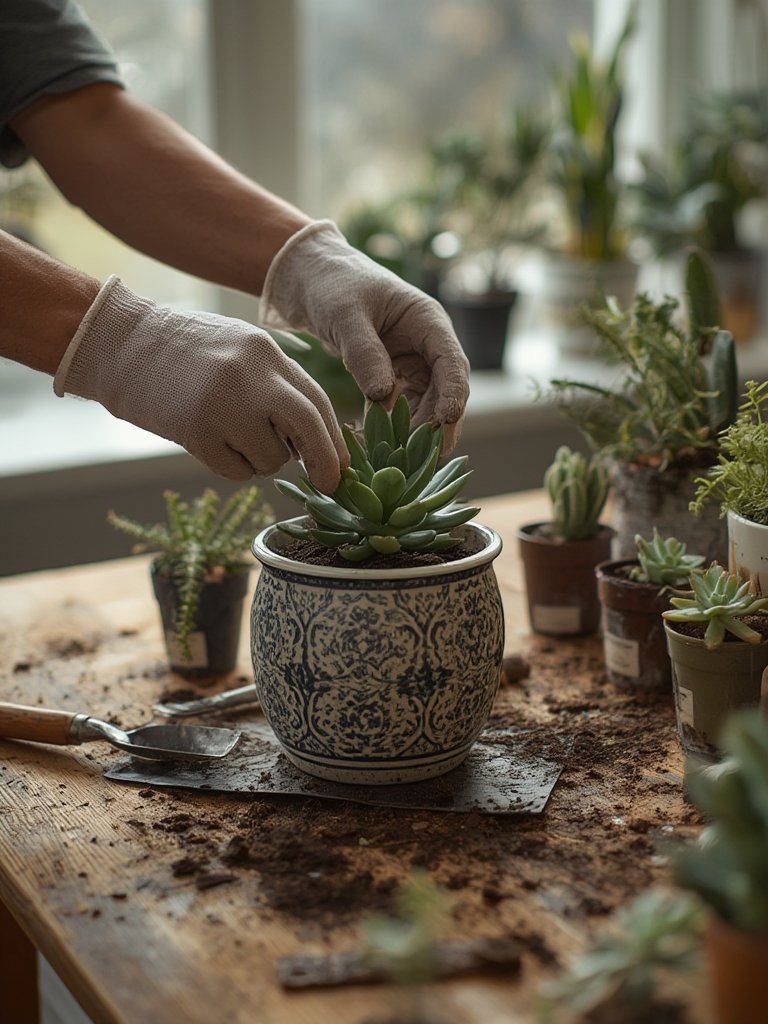
An advanced but worthwhile step: build relationships with reputable specialty nurseries as a backup, especially when hunting for the ultra-rare. And as your collection grows, consider better storage or display options, such as a modern concrete planter to protect and show off your rare finds.
As you gain experience, you can start to provide value to newbies—maybe even host your own swaps or set up a collector’s meet at a local nursery. Over time, you’ll spot patterns: who always brings healthy plants, which venues are best, and when to say no to a sketchy deal. This is where plant collecting shifts from hobby to passion and then to expertise.
For larger or more mature plants, an outdoor planter or even a rolling kitchen island (for indoor wheeled moveability) can make maintenance and relocation a breeze.
Advanced Analysis & Common Pitfalls in Plant Collecting
Collecting and swapping plants looks easy online but is loaded with pitfalls—especially if you’re chasing rare and valuable species. Here’s what most articles gloss over, plus a table to help you quickly compare the risks.
| Issue | Plant Swaps | Specialty Nurseries / Online |
|---|---|---|
| Authenticity | Risk of mislabeling or misrepresentation; few recourses. | Usually reputable, branded stock; better guarantees. |
| Plant Health | Commonly receive pests, fungus, or poor root systems. | Generally higher standards and phytosanitary checks. |
| Community Support | Can be strong but variable; depends on group quality. | Limited, typically transactional; less social learning. |
| Legal/Ethical Risks | Laws often unclear—risk of illegal or unethical trades. | Usually compliant; clear sourcing and transport policies. |
| Cost | Free or low cost, but hidden costs (time, loss, transport) | Premium prices for rare specimens—more predictable |
What Goes Wrong Most Often?
- Pest Infestations: Unseen mealybugs, mites, or root rot can arrive with swapped plants despite honest intentions. Many swappers don’t follow basic biosecurity.
- Mislabeling Rarer Species: Amateurs sometimes pass off common plants as rare—either by accident or to inflate swap value. There’s little recourse if you overtrade.
- Disappointment: Instagram and Facebook swaps hype “unicorn” plants, but availability can be erratic. Rare hoyas and philodendrons often surface, but true rarity remains elusive—and prices go unreported or inflated by hype cycles.
- Legal/Ethical Issues: Few swaps educate on endangered species or protected plants (source). Trading illegal exotics risks fines or confiscation, especially across borders, so research CITES and local regulations first.
Even popular collector plants—like the elusive hoya or rare variegated philodendron—have murky origins and legality. If in doubt, stick to widely cultivated options or consult experts.
Your best defense? Learn from others’ mistakes. The best collectors ask tough questions, document swaps, and don’t let FOMO override their usual caution.
Upgrading your tools as you grow is also smart: rotating displays such as a farmhouse storage bench, mini “pocket forest”, or enclosed cat-friendly patio can help avoid crowding, which breeds pests and reduces plant health.
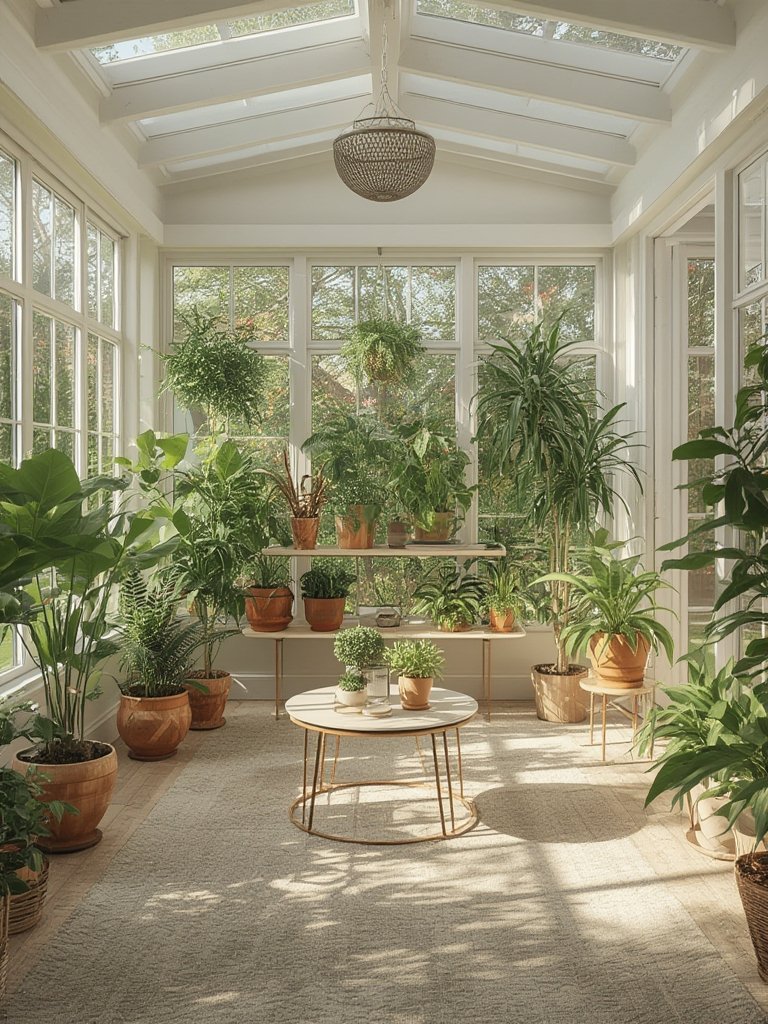
Conclusion
Plant collecting is on fire for a reason—it’s fun, social, and deeply satisfying. But the real experience includes risk, disappointment, and slow learning curves. If you’re dedicated to thriving in the modern world of plant collecting, focus on transparency, basic plant health protocols, and learning from an honest community. Be cautious, but keep your curiosity—unlike the “perfect” Instagram feeds, real collections are built over years, not overnight.
Ready to start trading, buying, or showing off your next holy-grail plant? Do your research, stay skeptical, and help others level up with what you learn. The future of houseplants is in the hands of real people—not hype machines. Share your story, and join the new generation of plant collectors making the hobby safer and smarter for everyone.
Frequently Asked Questions (FAQ)
Is it safe to swap or buy plants from strangers online?
It’s rarely risk-free. Vet swappers or sellers, request videos and references, and always quarantine any new plant for at least two weeks to guard against pests and diseases.
How do I know a rare plant is authentic?
Ask for detailed photos (including roots and mature leaves), research genetic markers, and verify the source. Consider buying from specialty nurseries, especially for high-value purchases.
Are there legal restrictions on shipping or swapping rare plants?
Yes. Many rare or endangered species are protected by local or international law (like CITES). Always check legal status before transferring rare plants across state or country borders.
Why do my swapped plants often arrive in poor condition?
Poor packaging, unfamiliar environments, and stress can harm plants in transit. Agree on safe packing methods and only swap when shipping conditions are favorable.
What’s the best way to expand my collection safely?
Mix sources: swap in trusted communities, buy from reputable nurseries, and always isolate new arrivals before introducing them to your collection. Join educational plant groups to learn from others’ experiences.
—
[…] to pair your new flooring with stylish, practical furnishings? Explore our hands-on reviews of the best space-saving furniture and lift-top coffee tables to maximize small […]