
Pocket forest projects offer a rapid, resilient way to add dense greenery and habitat to small spaces—even if your yard isn’t much bigger than a two-car garage. Here’s what actually works, what can go wrong, and what most guides won’t tell you if you want real forest growth in your own yard.
Key Takeaways
- Miyawaki-style pocket forests can deliver dense, maturing woodland in as little as 3-4 years, but require dense planting, deep soil work, and patience.
- Survival rates and ecosystem benefits outpace standard tree planting, but costs, maintenance, and plant selection should be planned carefully.
- Real challenges for homeowners include space, soil conditions, ongoing upkeep, and sourcing true native species for your local ecosystem.
- 1. The Core Concept
- 2. Step-by-Step Guide
- 3. Advanced Analysis & Common Pitfalls
- 4. Conclusion
- 5. FAQ Section
The Core Concept: What Is a Pocket Forest and Why Try One?
A pocket forest (often called a Miyawaki forest) packs diverse, native trees and shrubs tightly together—usually three or four saplings per square meter—to fast-track the creation of a real, multi-layered woodland, even within a small urban or suburban lot. The approach is radically different from classic rows of landscape trees. It mimics how nature works: competition, dense planting, and cooperation kickstart rapid establishment of a woodland ecosystem.
Pocket forests can transform degraded or compacted land into a living carbon sink, cooling a microclimate, absorbing water, and providing habitat within years instead of decades. Real-world trials in the UK showed remarkable survival rates (averaging 79% after 3.5 years, compared to just 47% with standard spacing), including through blistering droughts (source). Proven benefits also include better stormwater handling and a measurable reduction in urban heat island effect (source).
Step-by-Step Guide: How to Create Your Own Pocket Forest
This isn’t a regular planting project. Here’s how to set up a pocket forest using the most current 2024 field-tested techniques. No single step is optional.
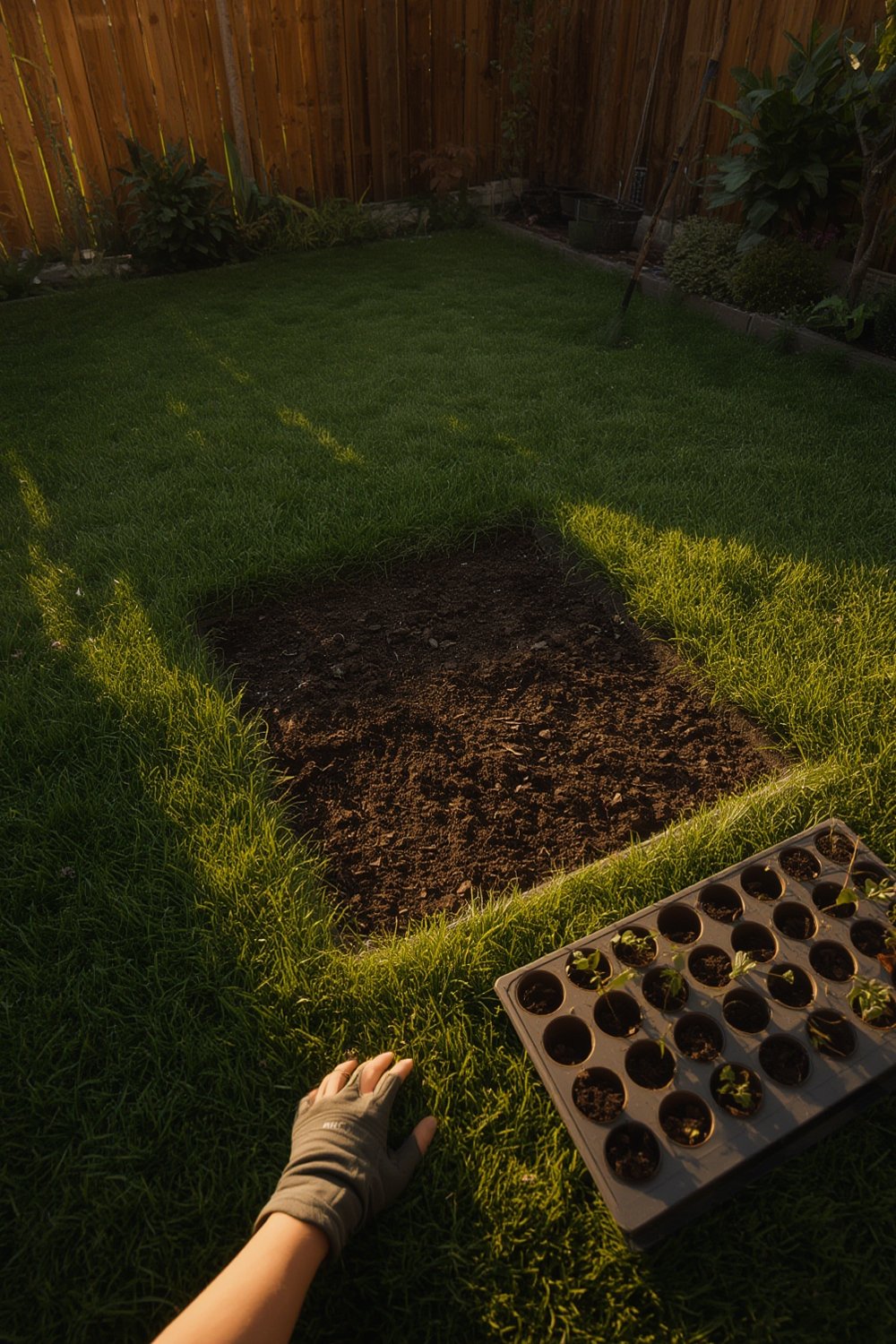
- Pick Your Patch: Choose a spot with at least 4-9 square meters (think a large shed footprint) where you can dig and amend soil.
- Analyze and Amend the Soil: Remove turf and loosen compacted soil 12-20 inches deep. Mix in compost and mulch to improve drainage and retention. Permeable, absorbent soil is key for drought resistance and vigorous root growth.
- Pick Real Native Species: Research which trees, shrubs, and sub-canopy plants are native to your immediate region—not generics. Ideally, select 10-20 species from different layers (canopy, understory, shrubs, ground) with varied root profiles and mature heights.
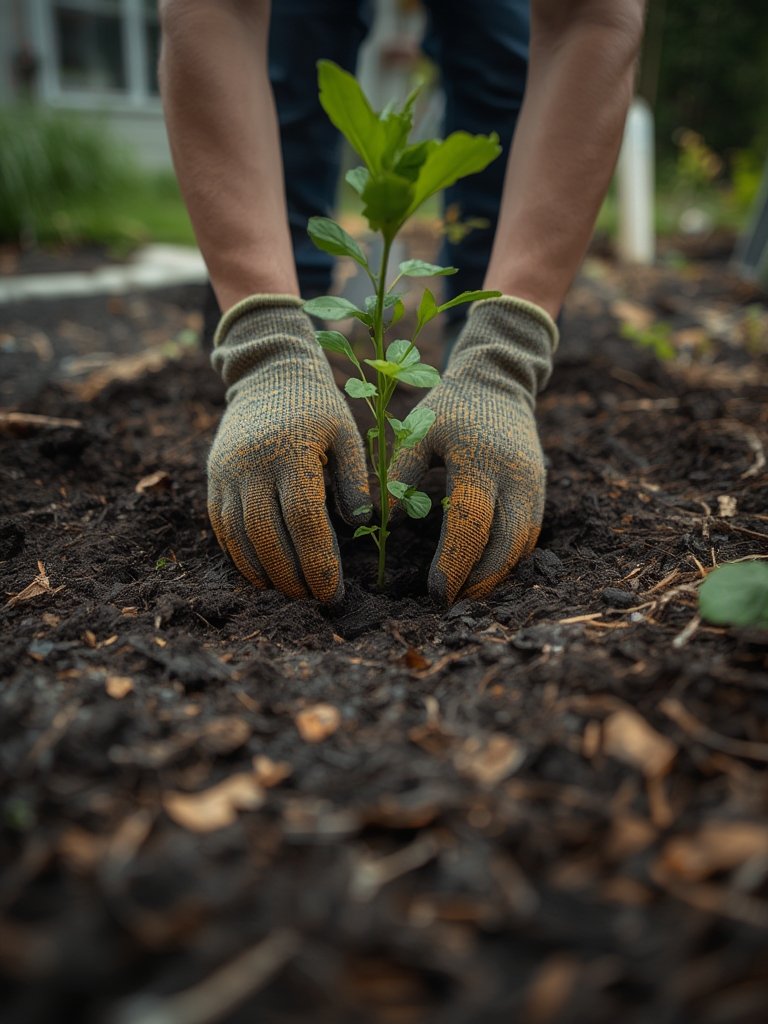
- Dense, Random Planting: Plant 3-4 healthy saplings per square meter in a deliberately un-patterned mix. Tuck shrubs and smaller trees around taller species, mimicking natural succession. Water them in thoroughly.
- Mulch and Protect: Mulch thickly to suppress weeds and maintain moisture. Stake temporary fencing if rabbits, squirrels, or foot traffic are threats in your area.
- Water and Watch: Water regularly during the first three summers, especially during dry spells. Remove obvious invasive weeds by hand, but do not “thin” or space out successful trees—crowding is part of the process.
For those with smaller yards or tough urban sites, pair your new pocket forest with lightweight concrete planters for hardy specimens that can kickstart natural regeneration at the forest edges. Check out our experience with versatile outdoor planters in our Pure Garden planter review.
Advanced Analysis & Common Pitfalls
Field research poses some clear lessons, and not all DIY guides mention what can frustrate you as a homeowner. Here’s a breakdown of what to expect and what to avoid:
| Pitfall | What Research Shows | How to Avoid |
|---|---|---|
| Skipping soil prep | Poor water retention, limited root growth, higher seedling failure (source) | Dig and amend to at least 30cm depth with organic matter; test for drainage before planting |
| Planting too sparsely | Missed fast growth, weeds invade empty pockets, less wildlife attraction (source) | Use the full 3-4 plants/m² rule; crowd them intentionally for success |
| Ignoring plant selection | Non-natives or nursery hybrids often fail or offer no ecosystem benefit (source) | Source local, regional natives from reputable sources; ask for species lists from park districts or conservation bodies |
| Giving up on water | Even resilient forests need watering in their first 2-3 dry seasons | Set a simple drip system—or use mobile planters for edge trees, see our Kante planter review |
| Budget underestimates | UK trials: £10 per surviving tree, not counting labor or ongoing care; costs may vary widely (source) | Plan for up-front soil, mulch, and protection costs—reuse material where possible, and consider plant swaps |
What goes right? Rapid growth—UK field results found that after just 3.5 years, Miyawaki plantings grew into dense woodland, with some trees reaching almost 15 feet tall (source). If your climate leans dry, your success hinges entirely on how well you prepared your soil to soak up and retain moisture.
Want to integrate your pocket forest into a broader, eco-friendly backyard layout? Explore practical ideas for pet-friendly landscaping or incorporating water-saving appliances indoors for a comprehensive sustainability approach.
Conclusion
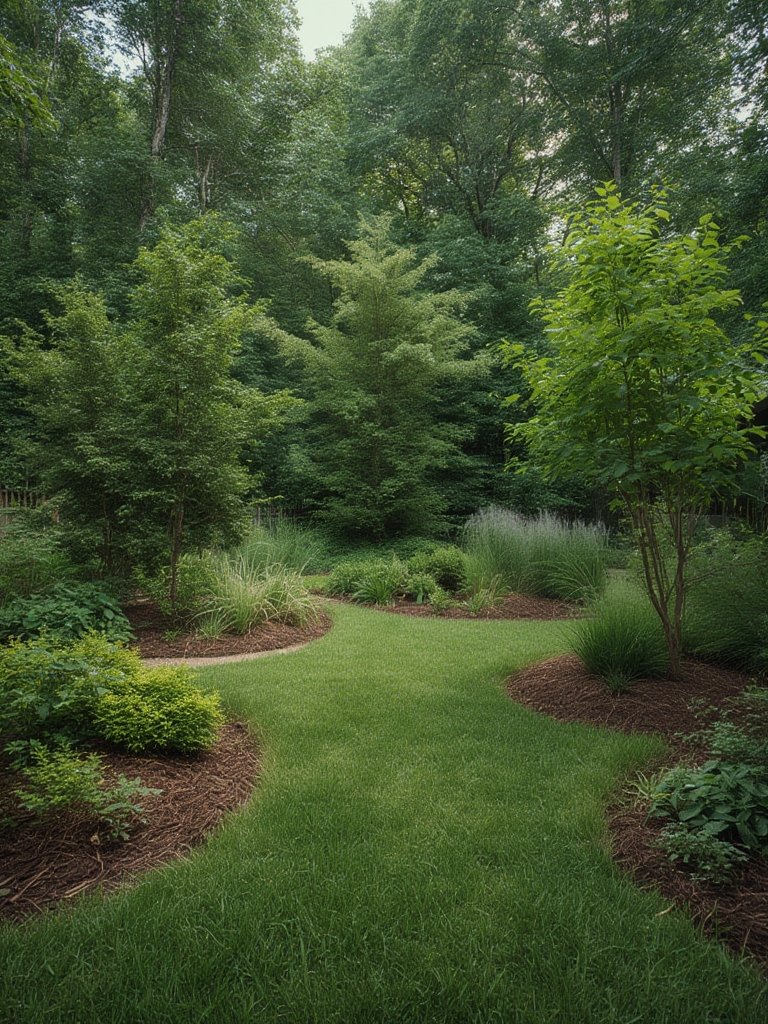
Pocket forests are not a trend—they are a data-backed shortcut to backyard biodiversity, better cooling, and storm resilience in less space than you think. To actually succeed, you have to go beyond cute lists and commit to dense planting, serious soil prep, and smart species choices. There’s upfront work, but the reward is a living woodland that gets wilder and more robust each year. Ready for your own pocket forest? Take the first dig and watch the transformation—then share your results with local neighbors who might want to join the movement.
Curious about setup challenges or want budget-smart outdoor upgrades that play well with forest edges? You’ll find honest gear reviews and practical solutions in our living space upgrades section and our recent storage bed review for tight homes.
FAQ Section
How much space do I need for a pocket forest?
A true pocket forest often starts with just 4 to 9 square meters, but more space allows more layers and species. Even small yards can work—if you’re willing to lose some lawn.
What is the biggest mistake DIYers make?
Skipping deep soil work and planting too few trees. Both reduce survival, stunt growth, and make maintenance harder. Dig deep; plant thick.
Can I use non-native or nursery hybrid trees?
It’s a fast way to fail. Non-natives usually don’t survive or support local pollinators and wildlife. Always match your plants to your ecosystem and source local varieties.
What’s the timeline from planting to seeing results?
You’ll get dense woodland structure in about 3-4 years if you follow Miyawaki principles. Real shade, wildlife, and ecosystem benefits compound over 10+ years but start soon after the canopy closes.
Is pocket forest maintenance high?
Initial years demand weeding and watering. Maintenance drops quickly as the canopy fills in and outcompetes weeds. After 3 years, most forests are largely self-sustaining.
[…] you want to attract wildlife while reducing water, consider a pocket forest approach—dense native planting supports pollinators, birds, and soil life better than single […]
[…] agricultural plots. The approach also aligns perfectly with modern trends such as micro-forests (urban micro forest) and climate-resilient landscaping (drought resistant […]
[…] your tools as you grow is also smart: rotating displays such as a farmhouse storage bench, mini “pocket forest”, or enclosed cat-friendly patio can help avoid crowding, which breeds pests and reduces plant […]