
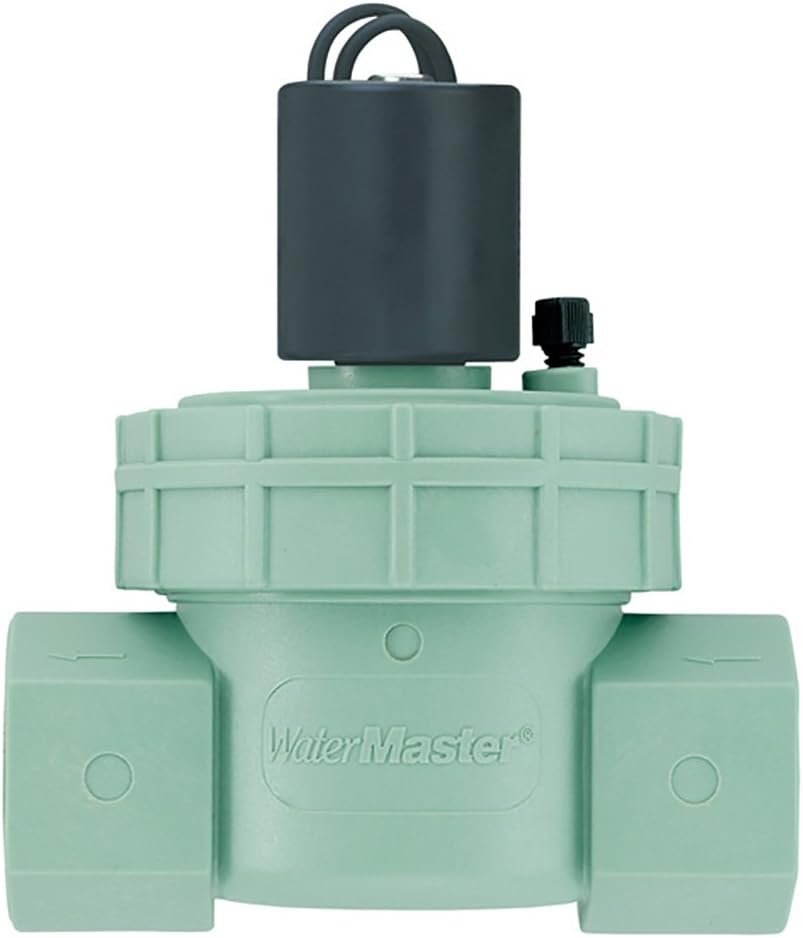
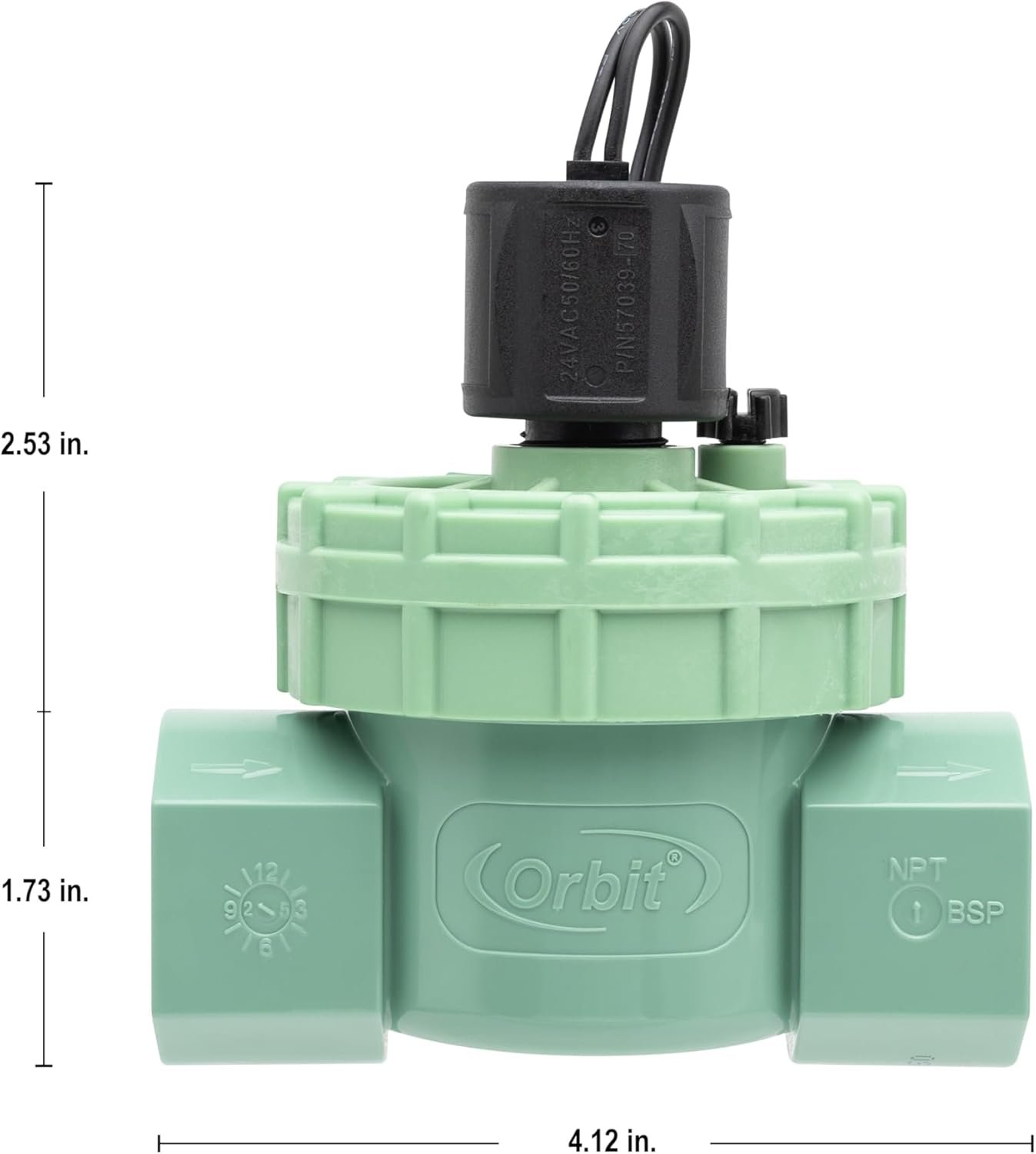
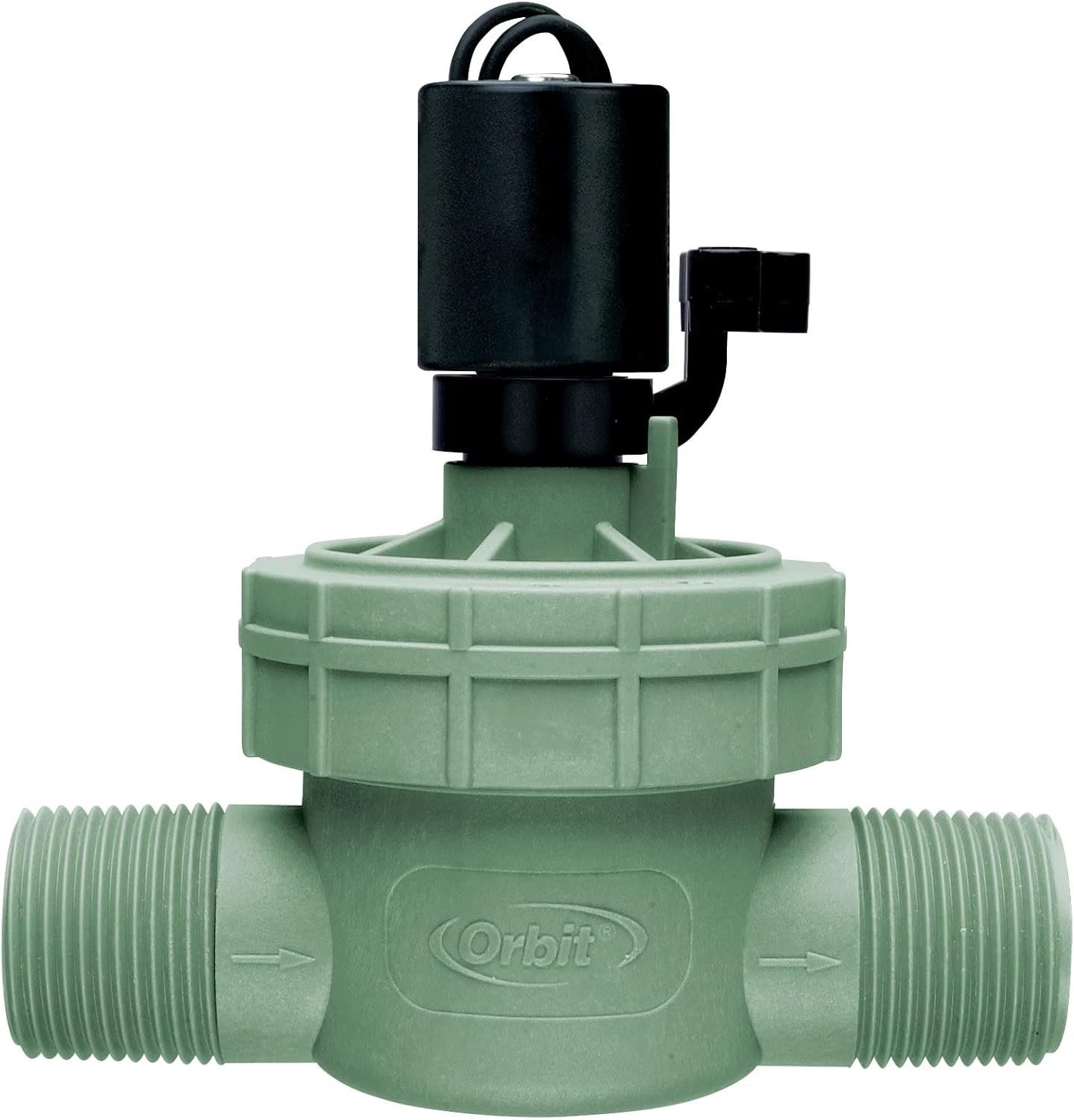

The Orbit Sprinkler System 1-Inch NPT Jar Top Valve 57461 offers effortless water control for your sprinkler or drip irrigation zones. Designed by Orbit, this durable valve features a clog-resistant internal scrubber filter, easy jar-top lid servicing, and a 24 VAC solenoid for manual operation convenience. Its versatile PVC construction fits both 3/4- and 1-inch FPT sizes, making it a direct replacement for Orbit manifolds and compatible with major controllers, including B-hyve for smart water management. Upgrade your irrigation system with this reliable, easy-to-install solution and enjoy hassle-free watering all season long.
We’ve always struggled with inconsistent lawn watering that left brown patches near our side fence every summer. Our old underground system had mystery leaks and clogged valves we couldn’t even access without digging up half the yard. When we decided to rebuild our automatic irrigation setup last spring, we knew we needed a jar top valve that would let us service diaphragms without a full excavation project every time something clogged.
Table of Contents
Disclosure: As an Amazon Associate, we earn from qualifying purchases. This means when you purchase through links on this page, we may earn a small commission at no extra cost to you.
The Orbit Sprinkler valve System 1-Inch NPT Jar Top Valve 57461 is a durable PVC construction valve designed for automatic irrigation and zone control in residential lawn and garden systems. With its 24 VAC solenoid and manual valve operation twist feature, this unit manages water flow in both drip irrigation and traditional sprinkler zones. It’s built for homeowners seeking reliable, easy-to-service components for their underground watering systems.
That’s when we found this Orbit jar sprinkler valve top unit. The removable lid design meant we could finally troubleshoot without hiring help or tearing up landscaping. After installing three of these sprinkler valves across different zones—one for the front lawn, one for the side garden beds, and one dedicated to our drip irrigation lines—we finally got consistent coverage. The manual twist actuation became our go-to for testing each zone before running the full controller cycle.
The Orbit 57461 comes in both 3/4-inch and 1-inch female pipe thread (FPT) sizes, and we went with the 1-inch NPT model to match our existing mainline. Dimensions are compact enough to fit in standard valve boxes, roughly 4 inches tall and 3 inches wide at the solenoid. The green PVC construction is UV-resistant and rated for outdoor burial, which matters when you’re dealing with Texas sun beating down on partially exposed boxes.
Weight is minimal—just under a pound—making solo installation manageable without a second set of hands. The internal scrubber filter is a small but critical feature; it catches sediment before it reaches the diaphragm, which is why we haven’t had a single clog in eight months of weekly cycles.
What We Honestly Loved
The jar-top lid design is hands-down the best feature for anyone who values accessible maintenance. Instead of wrestling with clamps or digging out an entire valve body, you simply unscrew the green top to inspect or replace the diaphragm. We’ve opened ours twice—once to check for debris after a mainline repair, and once just to see how clean the scrubber filter was keeping things.
Both times took under three minutes, and we didn’t need any special tools beyond a basic adjustable wrench for the solenoid if you’re swapping that out. According to Orbit, this jar top design is engineered specifically for field serviceability, and we can confirm it lives up to that claim.
Assembly and integration into our existing system were refreshingly straightforward. One of us held the valve steady in the trench while the other threaded the PVC connections using standard Schedule 40 fittings and primer. The 24 VAC solenoid wires connect to any standard controller—we’re running ours with an Orbit B-hyve smart controller for water conservation scheduling—and the color-coded wire leads made pairing intuitive even for our first DIY valve install.
The manual actuation feature (a quarter-turn twist on the solenoid) let us test water flow before backfilling, which saved us from having to re-excavate when we realized we’d mixed up two zone wires. If you’re upgrading your watering system or dealing with older infrastructure, check out our complete guide to smart irrigation systems for pairing tips.
Durability has been rock-solid through a full Texas summer and into fall. We’ve cycled this unit over 200 times (twice daily during July heat waves), and the diaphragm still snaps shut crisply with no leaks or pressure loss. The PVC construction has held up to direct sun exposure in one partially uncovered valve box, with zero cracking or discoloration.
Our soil is heavy clay, which tends to shift and put lateral stress on fittings, but the Orbit valve hasn’t budged or developed any hairline cracks at the threads. We did notice the solenoid gets warm during extended run times (45+ minutes), but that’s normal for any 24 VAC solenoid under load. For context on managing your lawn once your irrigation is dialed in, our lawn leveling rake guide pairs perfectly with a well-zoned watering system.
Setup & Care Tips
Getting the most from your Orbit 1-Inch NPT Jar Top Valve 57461 is simple when you follow these field-tested steps we’ve learned through trial and error.
- Hand-tighten the jar top after servicing, then add a quarter turn with a wrench. Over-torquing can crack the threads, but too loose will cause slow seepage. We learned this after our first diaphragm inspection left a damp spot overnight.
- Flush the line before final connection. Run water through your PVC for 30 seconds before threading the valve in place. This clears construction debris that would otherwise clog the internal scrubber filter on first use.
- Mark your zones with waterproof labels on the solenoid. We used a label maker and clear tape to identify “Front Lawn,” “Side Drip,” and “Garden Beds” directly on each unit. Six months later, we’re still grateful we did this during install.
- Check the diaphragm every spring before peak season. Unscrew the jar top and inspect for calcium buildup or tears. A quick rinse and visual check takes five minutes and prevents mid-summer failures when replacement parts are backordered.
Is It Honestly Loved?
Yes—the Orbit Sprinkler System 1-Inch NPT Jar Top Valve 57461 hits the sweet spot between pro-grade reliability and homeowner-friendly serviceability that’s tough to find in residential irrigation components. While you can find cheaper valves at big-box stores for $12–$15, those typically lack the jar-top access and internal filter that make this unit worth the modest premium.
On the flip side, commercial-grade valves from brands like Hunter or Rain Bird can run $40–$60+ per unit, which adds up fast when you’re outfitting multiple zones. This model gives you durable PVC construction, compatibility with all major controllers, and the ability to service it yourself without calling a pro or replacing the whole valve when a $4 diaphragm wears out.
This valve is ideal for suburban homeowners managing 3–6 irrigation zones who want reliable automatic control without ongoing service contracts, DIYers upgrading from basic hose timers to true zone control with a smart controller, and anyone dealing with hard water or sediment issues who needs that internal scrubber filter to prevent constant clogs.
You should probably skip this if you’re running a commercial property with 12+ zones where bulk pricing on pro-grade valves makes more sense, you need valves rated for hot water or industrial fluids (this is cold water only), or you’re looking for ultra-compact inline valves for tight retrofit spaces (the jar top adds height). For a complete water conservation strategy, pair this with drought-resistant plants that reduce your overall irrigation needs. Available at The Home Depot and other major retailers, it’s a practical investment in a system you can actually maintain yourself.
Check our latest Fresh Finds HERE
Curated with Passion, Shared with Love,
The HONESTLY LOVED Team
Frequently Asked Questions
How difficult is it to replace the diaphragm on this jar top model?
It’s genuinely beginner-friendly. You unscrew the green jar top by hand (or with a wrench if it’s been on a while), lift out the old diaphragm, drop in the replacement, and screw the lid back down. The whole process takes under five minutes, and you don’t need to shut off your main line or disconnect any PVC fittings. We did our first diaphragm swap with zero prior valve experience.
Will this work with my existing Rainbird or Hunter controller?
Yes, absolutely. The Orbit 57461 uses a standard 24 VAC solenoid that’s compatible with any residential irrigation controller, regardless of brand. We’re using ours with an Orbit B-hyve, but our neighbor runs the exact same valve model with his older Rainbird ESP-Me controller without any issues. Just match the zone wires to your controller terminals like you would with any other valve.
Can I use this valve for drip irrigation zones, or is it only for spray heads?
It works perfectly for both drip irrigation and traditional sprinkler zones. We’re running one of our three Orbit valves on a dedicated drip line for raised garden beds, and it handles the lower flow rates without any chattering or leaking. The internal filter is especially helpful for drip systems since emitters clog easily. Just make sure your controller is programmed for longer run times at lower flow if you’re doing drip.
How deep should I bury this in a valve box, and does it need any special protection?
We installed ours about 8–10 inches below grade in standard 10-inch round valve boxes, with the jar top sitting a few inches below the box lid. The PVC construction is rated for direct burial, but keeping it in a valve box makes access easier and protects the solenoid from accidental damage during yard work. In freeze-prone climates, you’ll want to insulate the box or use a deeper burial depth below your frost line.
What’s the difference between the 3/4-inch and 1-inch versions, and does it matter which I choose?
The difference is the female pipe thread size, which needs to match your existing mainline and lateral pipes. The 1-inch NPT version (what we used) handles higher flow rates and is common for systems with multiple spray heads per zone or larger properties. The 3/4-inch model works fine for smaller zones or drip lines with lower GPM requirements. Check your current pipe diameter before ordering—mismatched threads mean extra fittings and adapters that complicate installation.
Is this valve loud when it opens and closes, and will I hear it from inside the house?
There’s a faint click when the solenoid actuates, but it’s nowhere near loud enough to hear indoors or even from across the yard. We have one valve box right outside our bedroom window, and we’ve never been woken up by the 6 a.m. watering cycle. The diaphragm closure is smooth and quiet—no hammering or chattering like we experienced with a cheaper no-name brand we tried first.