

The PuraMax self cleaning litter box has surged in popularity among cat owners looking for less scooping and more odor control—but does it actually deliver better results and fewer hassles than the competition? This guide breaks down what you can really expect, industry context, technical tradeoffs, and pitfalls you should know before investing.
Key Takeaways
- The PuraMax self cleaning litter box uses a sifting mechanism and optional app, but issues like odor, Wi-Fi glitches, and mechanical jams remain common in the category.
- Independent data does not verify PETKIT’s marketing claim of 75% year-over-year sales growth for PuraMax; this figure is not cited in third-party reports.
- No public report quantifies clear cost or measurable odor reduction advantages for PuraMax over Litter-Robot or other top models—buyers should research real-world owner experiences.
- What Is the PuraMax Self Cleaning Litter Box and Why Has It Grown So Fast?
- How to Use and Troubleshoot Your PuraMax Litter Box
- What Most Reviews Miss: Technical Differences, Pitfalls, and Real Data Gaps
- Conclusion: Should You Choose the PuraMax Self Cleaning Litter Box?
- Frequently Asked Questions
What Is the PuraMax Self Cleaning Litter Box and Why Has It Grown So Fast?
The PuraMax self cleaning litter box is an automated litter solution from PETKIT designed to minimize scooping and keep your home smelling fresher. Unlike old-school boxes, it uses electronic sensors and a sifting mechanism to separate waste into a sealed drawer automatically, promising cats a consistently clean area and owners far less mess. Its app connectivity lets cat owners track usage, get full-bin alerts, and monitor multi-cat households.
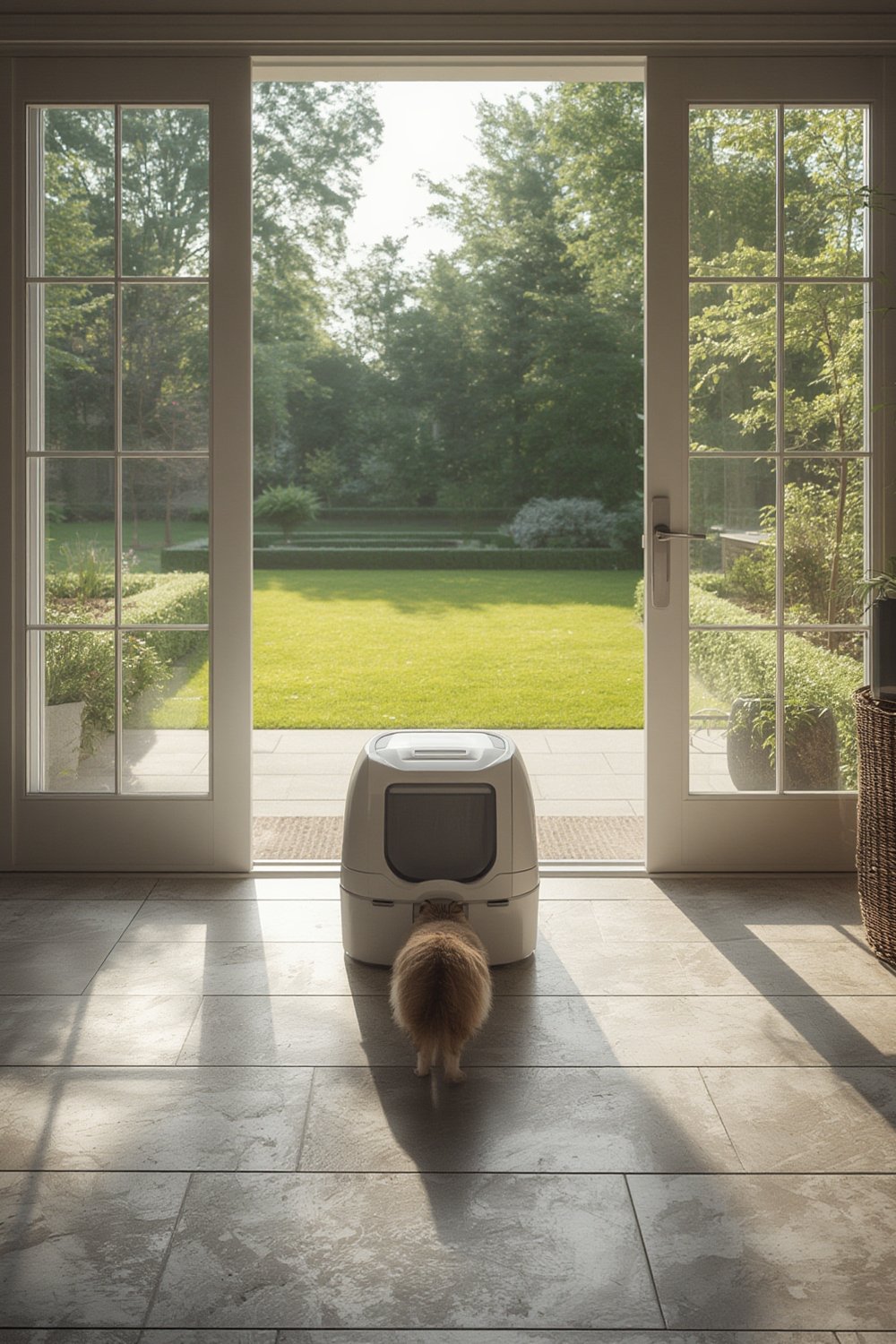
This tech-driven approach has aligned with the boom in the global automatic litter box market—estimated at $660 million in 2024, pushing toward $1.1 billion by 2033 according to IMARC Group. New “smart” features—like health tracking and reminders—now cover around 71% of higher-end models.
Still, any specific “75% year-over-year growth” for PuraMax promoted in marketing is internal data: no major market research firm breaks out PETKIT’s numbers or independently verifies this growth rate (Grand View Research).
The device’s popularity reflects a strong demand for anything that helps avoid daily scooping, but the experience isn’t always frictionless. Key user complaints and real-life technical differences can make a big difference in your satisfaction—so let’s break down what using a PuraMax actually looks like.
How to Use and Troubleshoot Your PuraMax Litter Box
Here’s a clear, step-by-step approach for getting the most out of the PuraMax self cleaning litter box, plus practical fixes for top frustrations you might face (gleaned from industry research and typical smart box problems).
- Initial Setup: Assemble the unit with all moving parts freely moving. Install only on a level, accessible floor in a dry environment with good ventilation. Plug into a surge-protected outlet; connect to 2.4GHz Wi-Fi following app prompts for more reliable notifications.
- Fill with Litter: Add only manufacturer-approved clumping litter, keeping the level within the max/min fill lines. Using regular or dusty litter types may trigger errors or extra cleaning cycles.
- Monitor Behavior: Watch your cat’s first uses. Some cats need gradual introductions—start with the unit unplugged, then activate cleaning cycles only after the cat is comfortable inside.
- App Setup: Download the PETKIT app, pair via Bluetooth/Wi-Fi, and allow push notifications. Use the litter/bag refill reminders and enable multi-cat tracking if needed.
- Empty and Maintain Regularly: For best odor control, empty the sealed waste drawer at least every 2–3 days (or daily for two or more cats). Swap filters every 2–4 weeks to avoid odors escaping through saturated carbon filter pads.
- If Problems Arise:
- Odor persists? Check for stuck clumps, full drawer, or filters needing replacement.
- Jam detected? Remove wet clumps by hand, then check if overfilled litter is jamming the rake. Clean units with a plastic spatula as needed (never water).
- App won’t connect? Switch to a 2.4GHz Wi-Fi network, restart both the app and router, or repair via Bluetooth. Try updating app firmware if available.
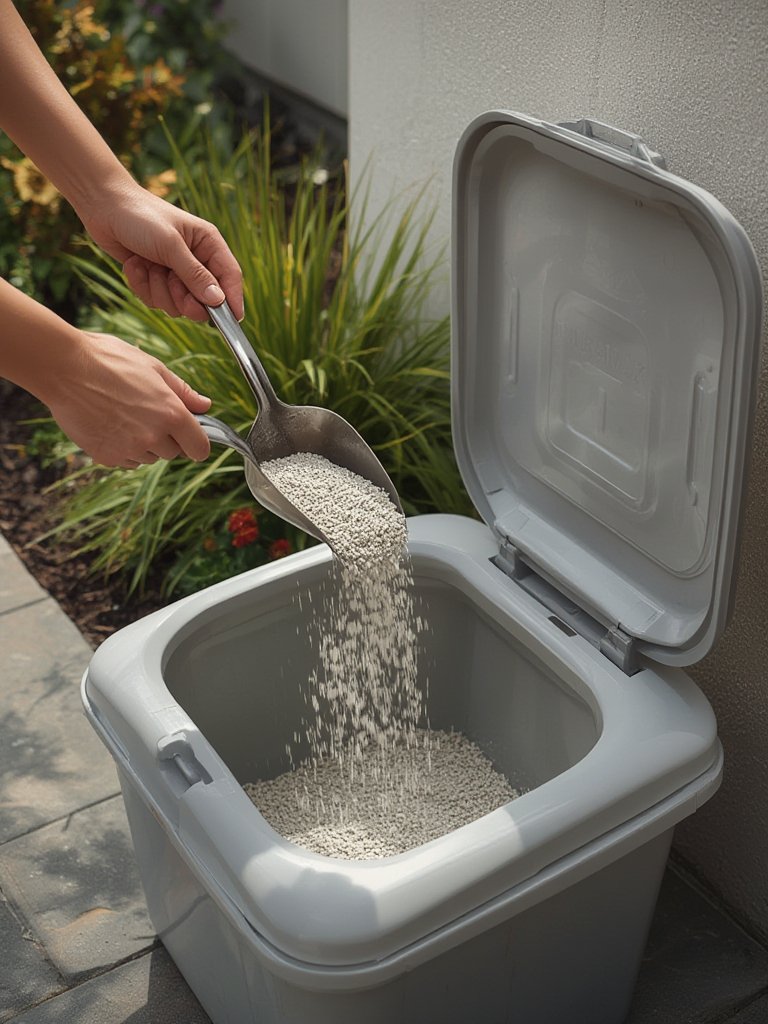
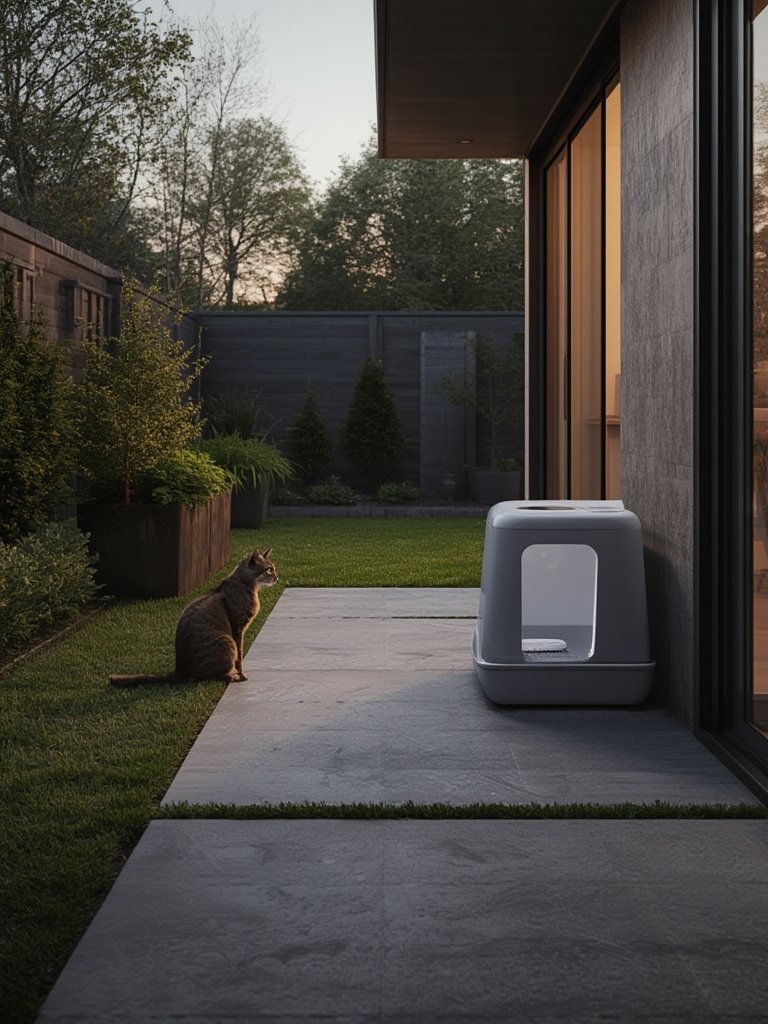
For multi-pet homes, consider pairing your PuraMax with a catio or window enclosure to reduce outdoor dust and keep your litter area safer. If you’re upgrading your space, check out our modern concrete planter review and tips for seamless home integration.
What Most Reviews Miss: Technical Differences, Pitfalls, and Real Data Gaps
While the market for high-end litter boxes is crowded, distinctions between PuraMax, Litter-Robot, and others aren’t always easy to spot in top search results. Direct brand-level performance or cost data is rarely published in industry reports, so here’s an evidence-driven comparison and the main hazards to watch out for.
| Feature | PuraMax (PETKIT) | Litter-Robot (Whisker) | Notes |
|---|---|---|---|
| Mechanism | Stationary box with rake or sifting grid | Rotating globe that sifts clumps into a drawer | Source: Core designs differ; most complaints about jams relate to both types |
| Odor Control | Sealed drawer with carbon filter | Enclosed globe with carbon filter waste tray | Odor remains a top user complaint in both, especially if drawers fill or filters saturate |
| App Features | Tracks usage, full drawer, and supports notifications | Tracks usage, health status, and offers more mature app integration | No direct quantitative comparison data published for either brand |
| Dependability | Sensor errors, Wi-Fi/app issues possible | Sensor errors, motor wear possible; more expensive repairs | Industry notes widespread mechanical complaints for all smart boxes; replacement parts may be harder to source for PuraMax |
| Total Cost | Not independently documented; premium-priced, with filter/bag consumables | Also premium-priced; proprietary waste drawer liners and higher initial outlay | No published public retailer or cost-of-ownership breakdowns for either (Persistence Market Research) |
Common Pitfalls to Expect:
- Odor and Dust: Odor control is inconsistent if you don’t empty the drawer or replace filters often; achieved odor reduction is not measured in field tests for PuraMax (IMARC Group).
- Mechanical Issues and Sensor Problems: Both PuraMax and Litter-Robot face reported jams from wet clumps, overfilling, and moving part wear. Some users report consistent error codes or app connection drops if Wi-Fi is weak.
- App Frustrations: Owners highlight Wi-Fi instability, notification delays, and difficulty reconnecting devices after a firmware update or power outage.
- Cost Blind Spots: There’s no independent, complete cost-of-ownership data for PuraMax. Both brands are considered expensive compared to manual boxes, with ongoing expenditures for litter, liners, and potential repairs. Price transparency is lacking.
- Misleading Growth Claims: PETKIT’s “75% YoY growth” isn’t confirmed outside the company’s own PR. No third-party market research firm verifies this, so temper expectations when you see dramatic statistics.
Want a more holistic litter upgrade? Check our honest perspective on garden planters, or if optimizing your pet and human co-living setup, see our vertical storage bookshelf review for organization ideas.
Conclusion: Should You Choose the PuraMax Self Cleaning Litter Box?
The PuraMax self cleaning litter box is a convenient, modern upgrade for cat owners who want to automate daily chores. While it promises less scooping and better odor control, user-facing realities—odor issues, Wi-Fi glitches, and mechanical jams—are shared with essentially all major competitors. Marketing claims of “75% growth” and superior performance are not independently proven by major industry reports. True cost-of-ownership and measurable odor improvements remain unverified without deeper field testing.
If you value automation and don’t mind troubleshooting tech quirks, the PuraMax self cleaning litter box may save you time. However, if you’re buying for robust reliability or expect a dramatic odor breakthrough, manage expectations—and review multiple sources before you invest.
Ready to improve your home environment for both pets and people? Pair a self-cleaning box with a secure outdoor catio or explore our office makeover guide for tips on creating a cleaner, more peaceful living space.
Frequently Asked Questions
Does PuraMax eliminate odor completely?
No self-cleaning litter box, including PuraMax, eliminates odor entirely. Most users notice some improvements, but frequent emptying and filter changes are required. Odor control varies with cat diet, box placement, and litter freshness.
How often does the PETKIT PuraMax need cleaning?
For best results, empty the waste compartment every 1-3 days and change filters every 2-4 weeks. Deep clean the main housing and rake about once a month or as needed if jams occur.
Is the 75% year-over-year growth for PuraMax verified by any independent analyst?
No. The 75% growth figure is quoted in PETKIT marketing but was not confirmed or broken out by any leading third-party industry report. Treat this as a self-reported claim unless independently supported in the future.
How does PuraMax compare to Litter-Robot in reliability?
Both brands experience sensor glitches, odor challenges, and possible jams. Detailed reliability data is not published, though Litter-Robot is often cited as a segment benchmark. Expect to do some basic troubleshooting with either device over years of use.
Can one PuraMax handle multiple cats?
The manufacturer supports multi-cat tracking via the app, but heavy usage means more frequent emptying and filter changes. For three or more cats, a second unit is often recommended to avoid overloading cleaning cycles.
[…] reputable online guides. If you’re interested in other pet wellness solutions, see our review of PuraMax self cleaning litter box or if you’re planning a catio, our catio building guide is made for safe outdoor […]
[…] of app analytics and multi-cat management. Some buyers, for instance, compare it directly to the PuraMax self cleaning litter box as pricing and feature differences continue to drive […]
[…] a growing number of pet owners choose time-saving solutions like automatic litter boxes (see this honest self-cleaning litter box review) or design-conscious cat furniture (discover the cat sofa trend), the question isn’t whether to […]
[…] has grown alongside the rise in quality pet furniture like cat sofas, smart litter boxes such as PuraMax and PetSnowy, as well as specialized outdoor zones explored in our Barkitecture […]
[…] oral care can even help reduce odors and messes caused by dripping or pawing—see more tips in our PuraMax self cleaning litter box and PetSnowy automatic litter box […]