

Replacement toilet seat upgrades are one of the fastest and easiest ways to refresh a bathroom, but not all options deliver the comfort, fit, and durability you’re promised. Whether you’re a homeowner or property manager, here’s what you need to know—and what most guides leave out.
Key Takeaways
- The global toilet seat market is booming in 2024, with demand rising for both round and elongated shapes—each with distinct practical advantages.
- Choosing and installing a replacement toilet seat is straightforward, but size mismatches and material issues are common pitfalls not discussed in most guides.
- Recent innovations like smart seats and antimicrobial finishes are available, but classic sizing and fit challenges remain crucial for satisfaction.
The Core Concept
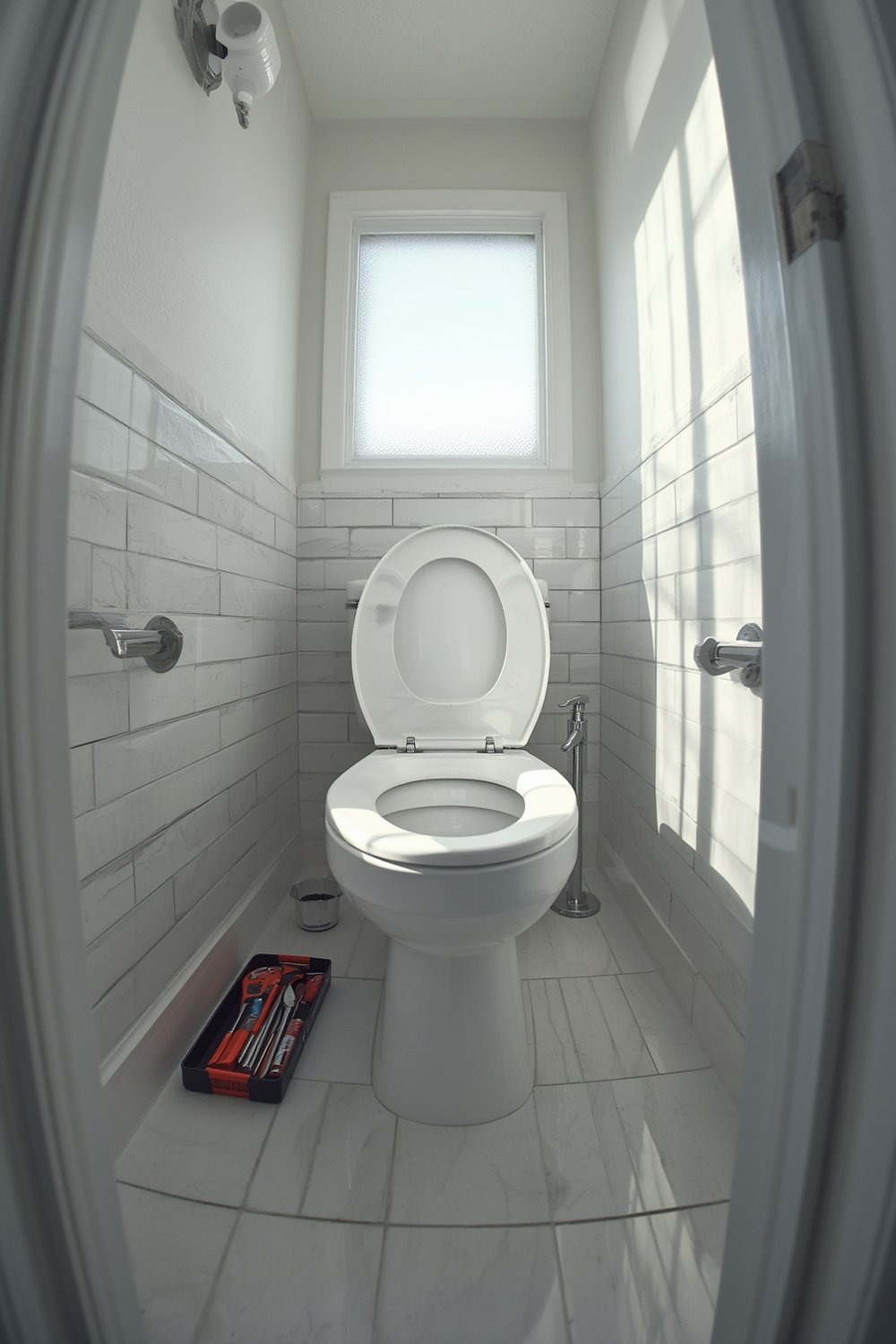
Every toilet seat eventually needs to be replaced—cracks, stains, or outdated looks are just the beginning. But before you buy a replacement toilet seat, you should know there’s more than “one-size-fits-all.” Your comfort, home style, and even future cleaning effort all ride on getting the right fit, shape, and features. In 2024, the market for replacement toilet seats is valued at over US$5.3 billion globally, with rapid growth expected over the next five years. In North America, round seats hold 54.9% of the traditional market, popular in smaller bathrooms, while elongated seats lead with 65.3% in the shape segment thanks to ergonomic comfort. Even with “smart” seats gaining traction, most buyers still struggle with sizing, material quality, and unexpected installation hassles. Choosing well means more than clicking on the top result—you want comfort, quality, and a product that lasts.
Step-by-Step Guide
Ready to swap out that wobbly, stained, or just plain uncomfortable seat? Follow these steps to minimize hassle and ensure a great fit.
-
Measure your toilet bowl shape and size
- Identify if it’s round (usually 16.5 inches from bolts to front) or elongated (18.5 inches).
- Measure the bolt spread (distance between the two seat mounting holes, typically 5.5 inches).
-
Choose your seat material
- Plastic: Lightweight, affordable, easy to clean. Less durable over time.
- Wood: Warmer to sit on, generally stronger, can chip or stain with moisture.
- Molded wood or resin: Offers classic look with better stain-resistance, but may be heavier.
-
Pick your features
- Soft/slow close to avoid slamming.
- Quick release hinges for easy removal and deep cleaning (handy for property managers and families with kids).
- Smart options: Heated, nightlight, sensor features—now more common, especially in new builds.
-
Remove the old seat
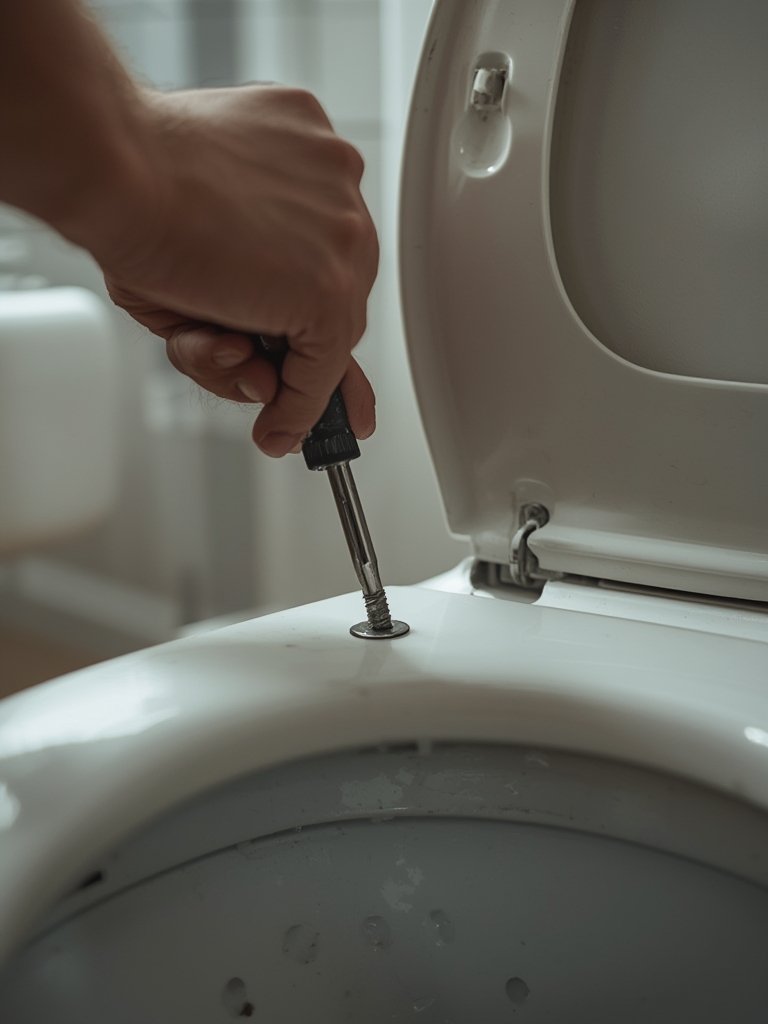
- Close the lid, locate the bolt caps behind the seat, and pry them up.
- Use a screwdriver and adjustable wrench to loosen and remove the seat bolts. If bolts are rusted, apply penetrating oil or use pliers.
- Clean the mounting area thoroughly once the old seat is off.
-
Install the new seat
- Place seat and hinge assembly over mounting holes.
- Insert bolts through the hinges—the best seats come with hardware included.
- Tighten nuts by hand, then use a wrench and screwdriver for a snug, not overtightened fit.
- Test for wobbling; adjust and retighten if needed.
Want to transform your whole bathroom vibe? Upgrades like vintage tiles or durable SPC flooring offer major style for less money than major renovations. And for hands-off maintenance in pet homes, check out our review of the PuraMax self-cleaning litter box.
Advanced Analysis & Common Pitfalls
Based on 2024 market insights from leading reports, the core buying decision for a replacement toilet seat is still around fit, materials, and cleaning simplicity—despite the rise of high-tech features:
- Pitfall: Wrong Size or Shape — Customers frequently buy seats that don’t match their bowl’s shape (round vs. elongated) or mismeasure the mounting holes, leading to return hassles and wasted time.
- Pitfall: Low-Quality Hinges — Cheap soft-close or quick-release hinges can fail fast, causing shifting or even accidental seat detachment, especially with heavy daily use.
- Pitfall: Uncomfortable Materials — Entry-level plastic can feel cold and scratch easily, while poorly sealed wood may develop stains and odor over time.
- Pitfall: Installation Frustrations — Old, corroded bolts can extend a “5-minute swap” to a 30-minute struggle. In some cases, poor instructions or off-brand mounting hardware complicate the whole process.
- Pitfall: Overhyped “Smart” Features — Newer seats with heating, lighting, or antimicrobial claims are appealing, but these features raise price—and, sometimes, the seat’s thickness—without always delivering on comfort or convenience.
Here’s a head-to-head comparison to clarify material and feature choices:
| Seat Type | Comfort | Durability | Cleaning Ease | Average Lifespan |
|---|---|---|---|---|
| Standard Plastic | Good | Good | Easy | 3-5 years |
| Molded Wood | Warmer | Very Good if sealed | Medium – requires care | 5-7 years |
| Soft Close (Plastic) | Good | Hardware-dependent | Easy with quick release | 3-7 years (hinge is weak point) |
| Smart Seat (Heated/Nightlight) |
Very Good | Fair – more electronics | Easy but must avoid moisture in charging port | 3-4 years |
Not all modern upgrades are worth it. While heat pump hot water systems clearly save energy, “antimicrobial” or “self-cleaning” toilet seats still have little proven independent benefit. Be cautious of overpaying for buzzwords.
Conclusion
A replacement toilet seat upgrade can genuinely improve bathroom comfort and cleanliness, but skipping the sizing, shape, or material details leads to regret. Don’t get distracted by the latest features—the best investment is the one that fits, feels right, and is easy to maintain.
Ready to get started? Double-check your bowl’s measurements, choose proven materials, and install with care. Still remodeling? Pair your new seat with modern unique tiles or rethink your whole space with a kitchen island or storage bench. Your bathroom—just like your living room—deserves an upgrade you don’t have to redo in six months.
Upgrade your bathroom today with a quality replacement toilet seat that fits—your comfort is worth five minutes of careful measuring.
FAQ
How do I determine if I need a round or elongated replacement toilet seat?
Measure from the center of the mounting holes to the toilet bowl’s front edge. About 16.5 inches is round; about 18.5 inches is elongated.
Are soft close toilet seats worth it?
They reduce slamming noise and prevent damage over time, but be aware that the soft close mechanism can wear out before the seat itself.
What’s the trick to removing rusted or stuck toilet seat bolts?
Spray threads with penetrating oil, wait five minutes, and use locking pliers. If that doesn’t work, carefully cut the bolts using a hacksaw.
How often should I replace my toilet seat?
Most seats last three to seven years, depending on material and usage. Cracks, stains, or wobble are clear signs it’s time to replace.
Do antimicrobial or smart toilet seats really work?
Features like heating and nightlights can add comfort, but claims of antimicrobial action are rarely supported by independent tests. Prioritize proper cleaning habits for hygiene.
[…] you’re handling heavier bathroom DIY—like installing a new replacement toilet seat for added hygiene, or combining your handle upgrade with a full-bath remodel—be sure to check for […]