

Smart irrigation system technology is transforming the way homeowners, property managers, and growers use water—cutting waste, lowering costs, and simplifying landscape maintenance. If you want to save water, slash utility bills, and even boost your property’s “green” credentials, understanding how these systems work and how to avoid common pitfalls is essential.
Key Takeaways
- Smart irrigation systems can reduce outdoor water usage by 20% to 70% when set up well, saving money and supporting environmental efforts.
- The most effective systems combine soil, weather, and scheduling sensors, but setup and ongoing reliability challenges remain.
- Long-term savings and potential incentives often outweigh the upfront investment, especially when paired with eligible rebates and lower water bills.
- What Is a Smart Irrigation System and Why It Matters
- How to Set Up a Smart Irrigation System (Actionable Steps)
- Advanced Analysis & Common Pitfalls
- Conclusion
- FAQ
What Is a Smart Irrigation System and Why It Matters
A smart irrigation system automates landscape watering by combining sensors, weather forecasting, and remote control. These systems monitor real-time conditions (think soil moisture and humidity), then deliver water only when and where it’s actually needed—unlike old-school sprinkler timers that run schedules blindly.
Smart controllers can be managed from your phone or a desktop app. The latest models use cloud data, AI-driven analytics, and sometimes even adjust their watering based on upcoming rain. This approach isn’t just about convenience or curb appeal: studies show smart irrigation systems cut water use by 20–40% in typical residential and commercial settings, and sometimes up to 70% with optimal conditions (source | source).
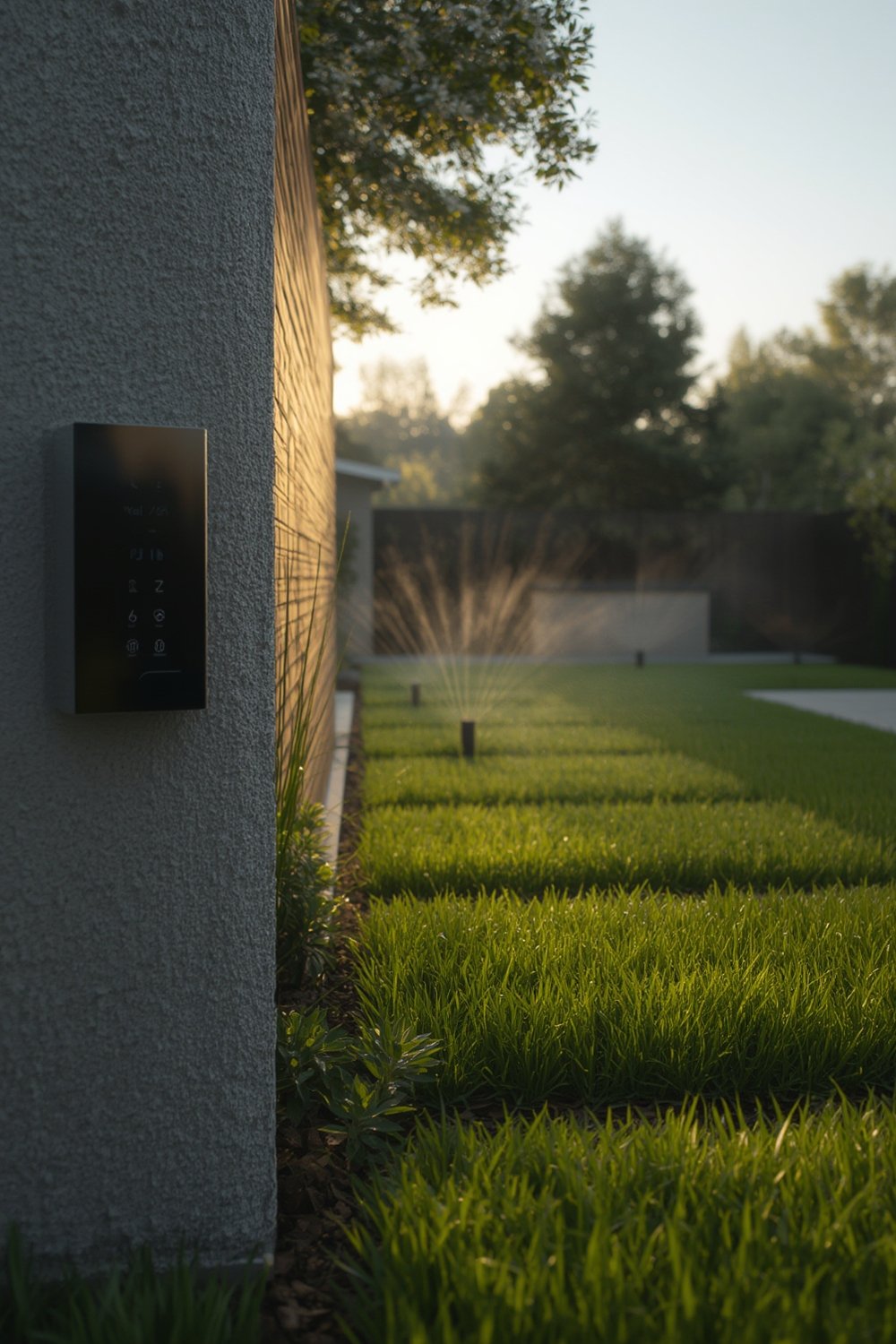
This makes smart irrigation a compelling upgrade for anyone managing a lawn, garden, commercial grounds, or agricultural operation. Especially if you want to take advantage of government incentives, support water conservation efforts, or set up a modern, worry-free landscape.
For homeowners building vibrant outdoor spaces, pairing a smart irrigation system with optimized soil and garden design can deliver stunning results. Want additional inspiration for outdoor upgrades? Check these reviews of the Kante lightweight concrete planter or our favorite Pure Garden outdoor planter 2-pack.
How to Set Up a Smart Irrigation System (Actionable Steps)
- Assess Your Needs and Site: Map out all lawn and landscape zones. Note sun exposure, plant types, and existing irrigation lines. For new installations, sketch your ideal layout.
- Choose the Right Equipment: Select a WiFi-enabled controller (Rain Bird, Netafim, or similar), and add soil moisture sensors for each watering zone if possible. Check for integration with weather data and mobile app support.
- Remove Old Controllers (If Upgrading): Switch off power, disconnect existing timers, and carefully label wires before swapping in your smart controller.
- Install Soil & Weather Sensors: Place soil moisture sensors in representative spots (avoid heavily shaded or low-lying areas). Weather sensors go in open spots away from direct irrigation spray.
- Connect the System: Link all sensors and valves to your new controller, following the manufacturer’s diagrams—if unsure, consult certified installers.
- Configure the App: Download and set up the companion app. Input zone data, connect to WiFi, and enable weather-based or sensor-based auto adjustments.
- Test and Fine-Tune: Run test cycles for each zone. Manually inspect coverage and adjust nozzles. Monitor the system over the next week, and tweak controller schedules as needed.
- Monitor Ongoing Performance: Use the app to review usage history. Check sensor batteries and field hardware quarterly.
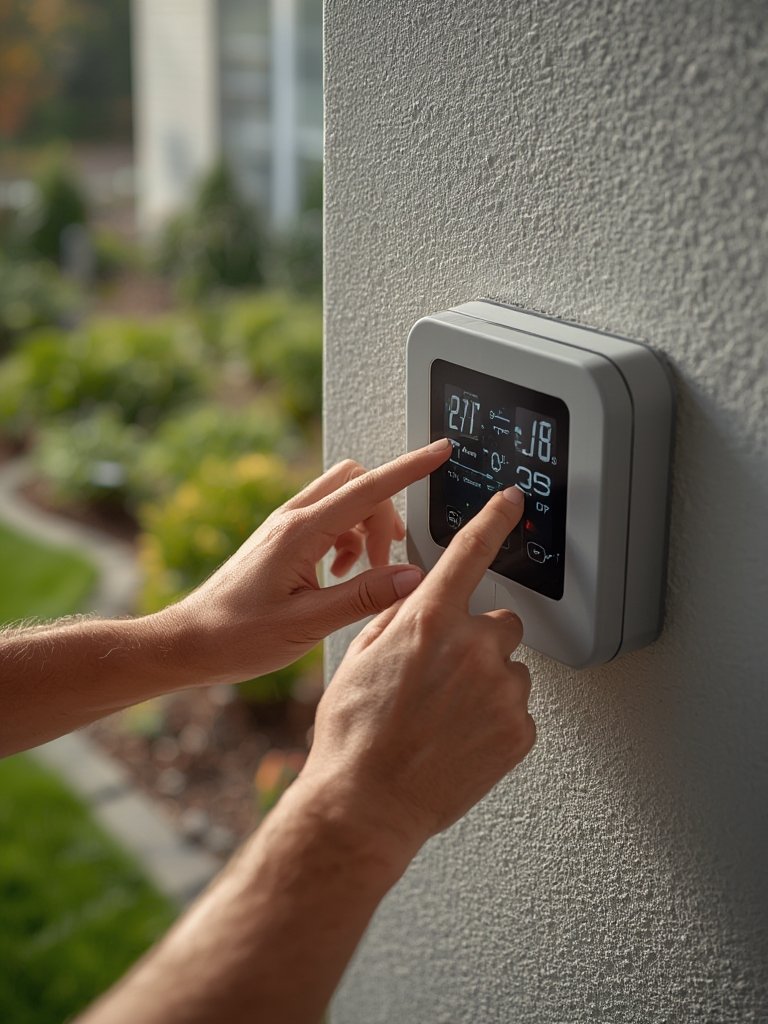
If you’re renovating your backyard, consider adding a secondary dwelling unit (ADU) or upgrading your garden’s drainage and leveling for optimal water absorption. A dedicated lawn leveling rake is handy if your lawn has sags or puddles that affect irrigation.
Advanced Analysis & Common Pitfalls
While smart irrigation systems are effective, real-world deployments encounter challenges—especially in DIY scenarios or less-connected rural areas.
- WiFi and Connectivity Problems: Physical distance and interference can cause dropped connections, leaving controllers “offline” at key times.
- Setup Complexity and Learning Curve: Even the best consumer models demand careful wiring, sensor calibration, and app setup. Poor configuration can negate most benefits.
- Sensor Placement: Misplaced soil or weather sensors lead to under- or overwatering. Sensors must represent the average conditions of their assigned zone.
- Cost vs. Savings Uncertainty: Although the costs of sensors and WiFi controllers have dropped, there’s still meaningful upfront investment, sometimes with unclear ROI unless tracked carefully (source).
- Data and App Dependence: Most systems require reliable cloud services—for some, an extended internet outage means the system reverts to “dumb” mode.
- Rebate and Incentive Confusion: Government incentives are inconsistent and can change city to city. Tracking eligibility takes effort (source).
- Maintenance of Hardware: sensor batteries, in-ground wires, and exposed controllers need annual checks. Smart systems have more components that can fail compared to manually set timers.
| Aspect | Traditional Timer System | Smart Irrigation System |
|---|---|---|
| Water Savings | Minimal, fixed schedule | 20–70% reduction (source) |
| Initial Cost | $20–$100 | $100–$400+ plus sensors (prices vary) |
| WiFi/App Control | None | Full app access, on/off-site |
| Maintenance | Very low | Periodic firmware and battery updates |
| Rebate/Incentive Eligibility | Rare | Possible in some regions (source) |
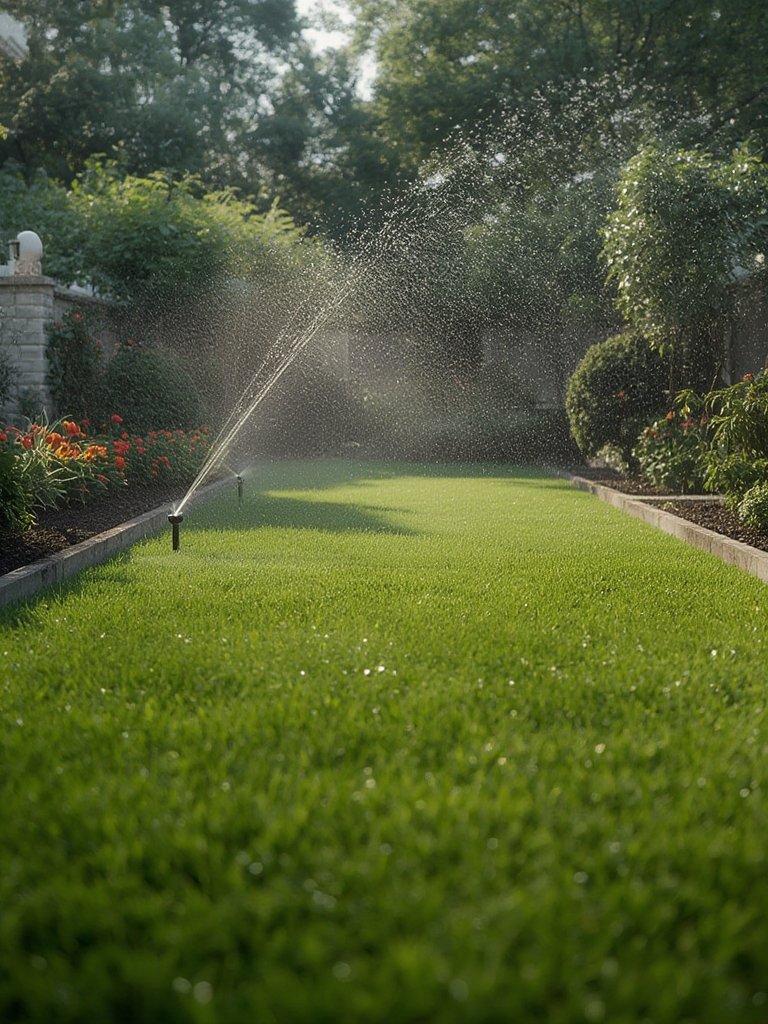
If your system waters plants you never use or you struggle with “dead zones,” check out a pet-friendly backyard guide or experiment with water-smart landscaping layouts. You’ll minimize waste and potentially create safer, more usable spaces for both pets and people.
Conclusion
Upgrading to a smart irrigation system can cut your outdoor water use, lower energy bills, and offer more flexible control than old timers—while helping the planet. Think through your property’s unique needs, compare equipment brands, and anticipate tech hurdles for a realistic, successful result. The smartest approach is always adaptive, not just automated. Ready to take the next step? Research eligible rebates, photograph your wiring, and start mapping out your smart irrigation system today.
FAQ
How much water can I actually save with a smart irrigation system?
Most homeowners and property managers see 20% to 40% drops in outdoor water use with well-calibrated smart irrigation systems, and some get closer to 70% savings in optimal conditions, as confirmed by industry research (source).
Do I need WiFi for a smart irrigation system to work?
Yes. WiFi (or sometimes cellular) is critical for syncing weather forecasts, remote control, and app-based schedule changes. Some controllers continue basic watering if WiFi goes out, but lose “smart” features.
Are smart irrigation systems worth the investment?
If you have a sizable lawn or landscaped property, the water and energy savings plus possible rebates often pay back the upfront costs in a few years. For very small yards, savings will be less dramatic.
How do I choose the best smart irrigation brand?
Look for a system compatible with your zone count and make sure it supports both sensor and weather-based adjustments. Netafim and Rain Bird are strong commercial and residential choices, respectively. Read up-to-date user reviews before buying.
What maintenance do smart systems require?
Check sensor batteries every season, keep software updated, and monitor for faulty zones or leaks. Unlike traditional timers, smart systems may need app troubleshooting or support help sometimes.
[…] for irrigation upgrades. Smart irrigation controllers (see our smart irrigation system guide) let you automate and fine-tune water use—this reduces waste and maintenance […]
[…] how automation is changing other household routines? Our explainers on smart irrigation systems and EV home charging will help you decide if more “smart” gadgets make sense for your […]