

### Blog Post:
Soil regeneration is crucial for restoring land productivity, boosting plant yields, and fighting climate change. In this guide, you’ll learn what soil regeneration really means, how to start regenerating your own soil, and what results you can expect based on the latest research.
Key Takeaways
- Organic soil amendments like compost and biochar can double plant yields compared to chemical fertilizers.
- Soil regeneration significantly increases soil carbon storage and supports diverse, beneficial microbes for healthy crops.
- Real-world studies show improved nutrient availability and stronger soil structure with regenerative methods.
- The Core Concept of Soil Regeneration
- Step-by-Step Guide to Soil Regeneration
- Advanced Analysis & Common Pitfalls
- Conclusion
- FAQ
The Core Concept of Soil Regeneration
Soil regeneration refers to rebuilding fertile, healthy soil through natural means—mostly by adding organic material and encouraging beneficial microbes. Unlike simply using chemical fertilizers, regenerative practices focus on supporting the ecosystem living within the soil. This approach makes soil more resilient, improves water retention, boosts nutrient availability, and sequesters carbon over the long term.
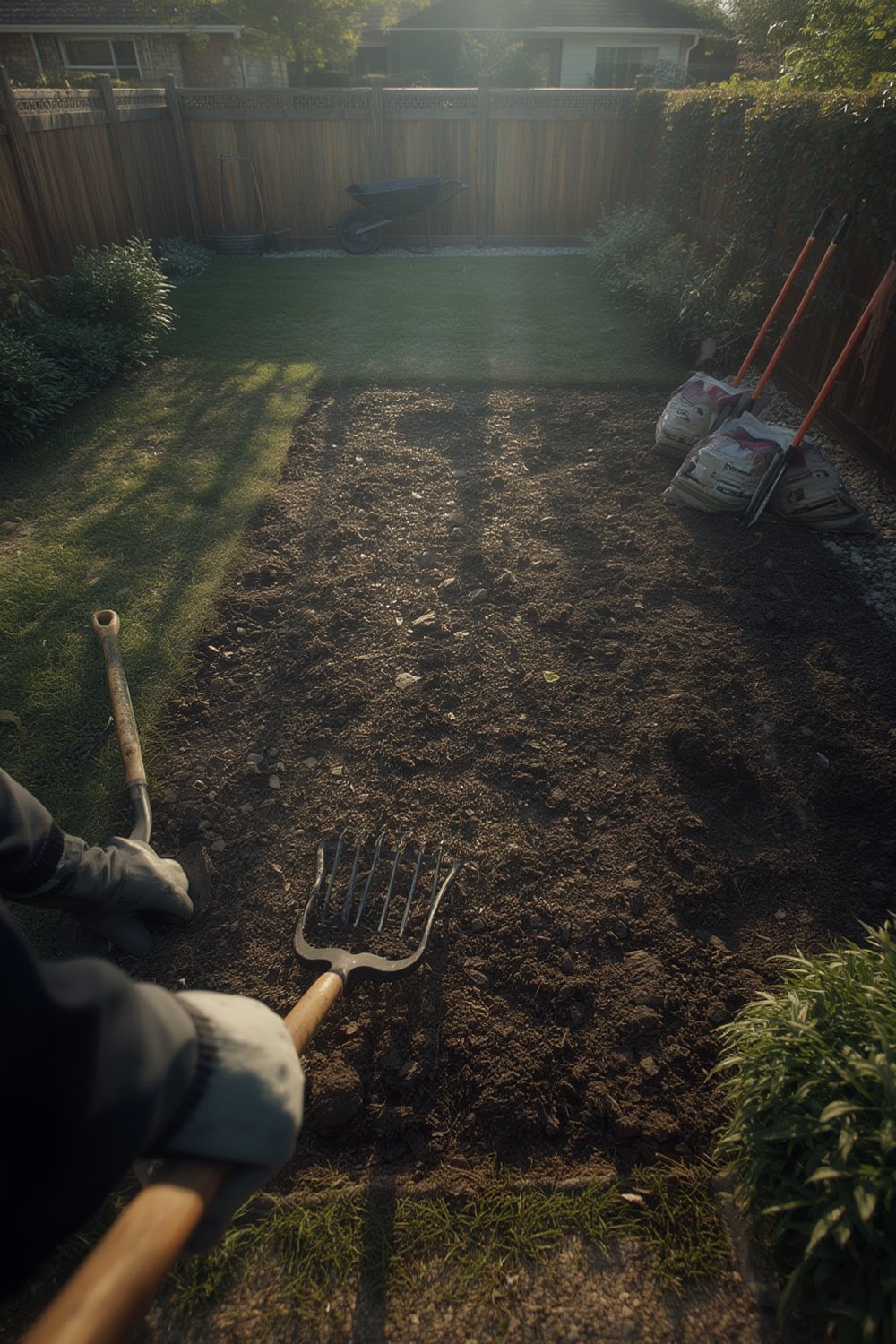
When you regenerate soil, you’re not just feeding plants. You’re creating conditions that let earthworms, fungi, and bacteria thrive, which in turn helps your crops. Long-term studies in Kansas have shown that combining biochar and compost increases corn growth by up to 114% over controls (see study). Additionally, regenerative amendments are more effective at locking carbon in the soil than any synthetic fertilizer according to recent research.
Soil regeneration is a proven way to restore depleted yards, gardens, or even large agricultural plots. The approach also aligns perfectly with modern trends such as micro-forests (urban micro forest) and climate-resilient landscaping (drought resistant plants).
Step-by-Step Guide to Soil Regeneration
Ready to regenerate your soil? Here’s a straightforward action plan you can apply to lawns, garden beds, or even container planters:
- Assess your soil. Test for pH, texture, organic matter, and basic nutrient levels. Many cooperative extensions offer affordable soil tests.
- Clear surface obstacles. Remove woody debris, rocks, and heavy thatch. For compacted yards, consider aerating the topsoil for better amendment penetration.
- Apply organic amendments. Layer 1 to 3 inches of finished compost and/or aged manure. For seriously depleted soils, mix in up to 3% biochar by volume, as proven in the Kansas study (source).
- Inoculate soil biology. Lightly rake in worm castings and, if available, sprinkle mycorrhizal fungi. Although evidence for mycorrhizal-specific benefits is limited (read here), a rich microbial mix reliably supports plant health.
- Cover the soil. Use mulch (wood chips, straw, or living cover crops) to suppress weeds, conserve moisture, and prevent soil erosion.
- Water deeply, but infrequently. Encourage roots to grow deep. Automated solutions like a smart irrigation system can help maintain consistency with less runoff.
- Monitor and repeat annually. Observe plant health, test soil each year, and top up organic matter before each growing season.
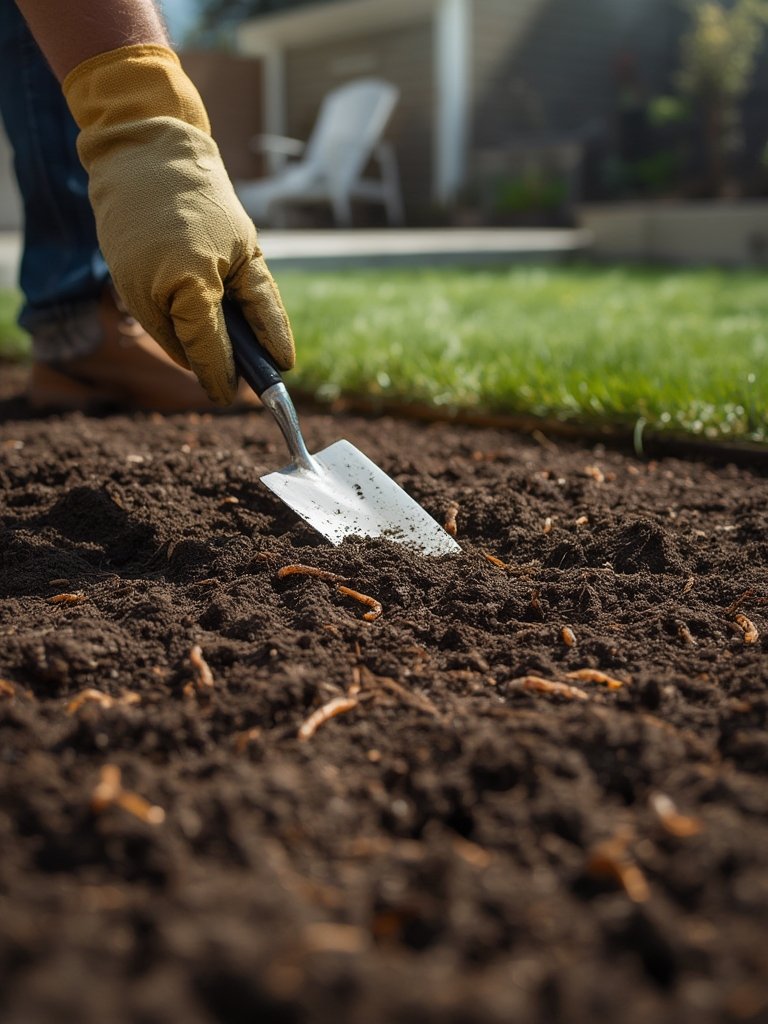
If you’re setting up new garden beds, or micro-forests, consider integrating soil amendments with each stage of planting. For small urban plots, see our complete Pocket Forest DIY guide.
Home gardeners should remember soil regeneration does not produce instant results. It might take one or two growing seasons to fully rebuild active soils, especially if past chemical use or over-tilling has depleted the land.
Ready to go low-maintenance? Pair your healthy, living soil with a washable rug indoors to keep outdoor messes at bay while you monitor your garden’s progress.
Advanced Analysis & Common Pitfalls
Even with good intentions, many gardeners run into setbacks when adopting soil regeneration. Here’s what current research and real-world experience reveal:
| Practice | Short-Term Gain? | Long-Term Outcome | Common Pitfalls |
|---|---|---|---|
| Synthetic Fertilizers Only | Quick green-up | Loss of soil life, declining structure, weak yields over time | Dependence, salt buildup, poor drought resilience |
| Regenerative/Living Soil | Slower start, higher upfront work | Steady yield increases, improved carbon storage, resilient crops | Inconsistent results if inputs are low quality, risk of weed introduction from poor compost |
| No-Till Approaches | Easy soil preservation | Better biology, but may not fix compaction in disturbed sites | Persistent weeds, requires regular mulch replenishment |
| Biochar Without Compost | Increases soil porosity | Uneven plant growth without added nutrients | Poor results unless combined with composted or mineral inputs |
Key takeaways:
- Organic amendments increase soil organic matter by up to 69%, but using poor-quality compost with weed seeds can backfire (source).
- Pure biochar improves soil structure, but can’t replace nutrients—combine it with compost for balanced results.
- No-till only works if you keep the soil covered; bare soil quickly loses organic matter and exposes crops to pests.
- Transitioning from chemicals to organic may result in “lag time” before yields recover, especially in overworked soils.
Many gardeners also struggle with the cost or reliable sourcing of quality amendments. There is little transparent data on this (see data gaps in source research), so read local reviews carefully or try making your own compost. Consider pairing your regenerative efforts with outdoor upgrades such as durable lightweight planters or eco-friendly drought-resistant plants.
Conclusion
Soil regeneration is a proven, realistic way to improve your yard’s productivity, store more carbon, and create healthier plants—all while reducing long-term input costs. Research shows that combining compost and biochar increases plant yields by up to 114% and builds soil that holds more nutrients and water. If you’re rebuilding vegetable beds or growing a mini woodland, use the soil regeneration approach outlined above for better results over time. Don’t just feed your plants—transform your entire ecosystem. Start your soil regeneration project today and experience the difference in your next harvest.
FAQ
How long does soil regeneration take to show results?
Visible improvement usually starts in the first growing season, but full transformation may take 2 to 3 years, especially in severely depleted soils.
Can I use homemade compost for soil regeneration?
Yes, as long as it’s fully broken down and free of weed seeds. Unfinished or contaminated compost can introduce pests or unwanted plants.
Is biochar safe for vegetable gardens?
Yes, when sourced from clean feedstocks and used at the recommended rates (usually 1-3% by volume), biochar improves soil structure and water retention for vegetables.
Does soil regeneration work for container gardens?
Absolutely. Using high-quality compost and biochar in planters such as modern concrete planters boosts plant health and reduces the need for synthetic fertilizers, even indoors.
Should I stop using chemical fertilizers entirely?
Gradually reduce their use while building up soil life with organic amendments. Sudden withdrawal may shock plants in the short term but improves soil health over the long run.
[…] Soil & Setup Use organic potting mix for containers (no yard dirt!) and add a slow-release, balanced fertilizer. If you want optimal soil health, read our guide on soil regeneration for gardens. […]