
### Blog Post:
Unique tiles are setting the tone for remodels in 2024. Homeowners and designers crave tile patterns and finishes that stand apart—think striped bathroom tile or vintage looks—both for style and practical durability.
Key Takeaways
- Unique tiles, including striped bathroom and vintage options, are trending due to their personality, customization potential, and durability for kitchens and baths.
- Main decision hurdles include pricing, maintenance demands, and finding authentic or eco-friendly products online with real quality guarantees.
- Design tech, such as inkjet printing and sustainable materials, is making bold, custom, and eco-friendly tiles more accessible than ever before.
- What Makes Unique Tiles Stand Out?
- How to Choose and Install Unique Tiles: Step-by-Step
- Pitfalls to Avoid and Real-World Considerations
- Conclusion
- FAQ
What Makes Unique Tiles Stand Out?
Unique tiles are not standard white subway tiles or plain beige squares. They include striking options like striped bathroom tile, blue ceramic, vintage repeats, terracotta, and Mexican mosaics. Their value comes not only from their aesthetic—pattern, texture, bold color—but also from their ability to transform a basic space into a statement. In 2024, tile buyers want options that express personality, offer real durability for wet areas, and reflect current design or sustainability trends.
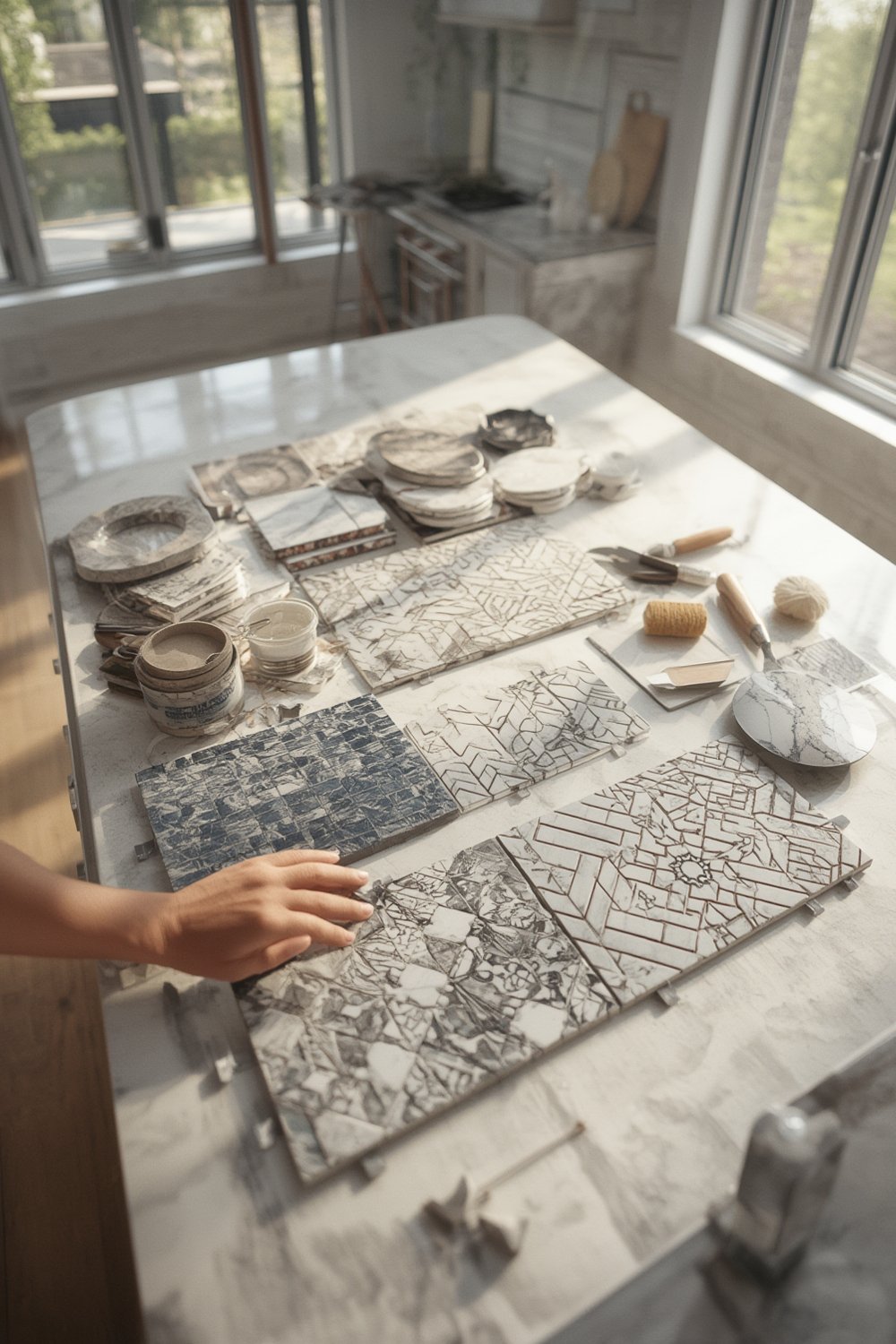
Behind the trend is a market in flux. North America accounts for more than 40% of all global tile sales—a $92 billion market—with homeowners prioritizing home renovations and durable, low-maintenance solutions (source). Customization, glazed finishes for stain-resistance, and a surge of e-commerce sales are reshaping what’s available—and how we buy—ranging from playful color-blocked patterns to timeworn antique-style surfaces. Vintage tile options are being spotlighted, with more buyers seeking alternatives to bland, mass-produced looks.
If you’re considering a kitchen or bath remodel, unique tiles can turn your space from forgettable to memorable—provided you understand the major pros, cons, and steps for success.
How to Choose and Install Unique Tiles: Step-by-Step
Selecting and installing unique tiles is rewarding, but there are some crucial steps to nail before you break out the trowel:
-
Identify tile usage and environment.
- High-traffic? Prioritize porcelain or glazed ceramics for bathrooms and kitchens, as they resist stains and moisture (source).
- Decorative accent? Vintage and textured handmade tiles add interest as a feature wall or kitchen backsplash.
-
Source with a purpose.
- Seek well-reviewed vendors or artisan brands online with clear return policies; look for details on manufacturing standards, sustainability certifications, and durability assurances.
- For rare finds, curated guides can help—see our vintage tile sourcing recommendations for real reviews.
-
Budget by tile type and project area.
- Striped, vintage, terracotta, blue ceramic, and Mexican tiles all vary—expect wide cost differences, but no reliable per-square-foot averages exist for 2024. Expect tile-only pricing to start at $8/sq.ft. for simple glazed designs and climb to $35–$60/sq.ft. for hand-painted or imported vintage options.
- Installation fees depend on project complexity, patterns, and labor rates in your area. Factory-direct and e-commerce ordering (source) can lower costs—but always include extras for breakage and dry runs.
-
Assess tile characteristics and maintenance needs.
- Matte, textured, or porous tiles (like traditional terracotta) show stains and require sealing. Glazed tiles, such as many blue ceramics, offer fuss-free cleaning and are ideal for hectic households.
- If buying for kitchens and baths, verify low-VOC materials and resistance to water, detergents, and abrasion.
-
Professional or DIY install?
- Complex patterns, like striped tile bathrooms, benefit from skilled tile setting—especially for line continuity and skillful alignment and cutting.
- For straightforward backsplashes, confident DIYers can save, but careful prep and patience are key.
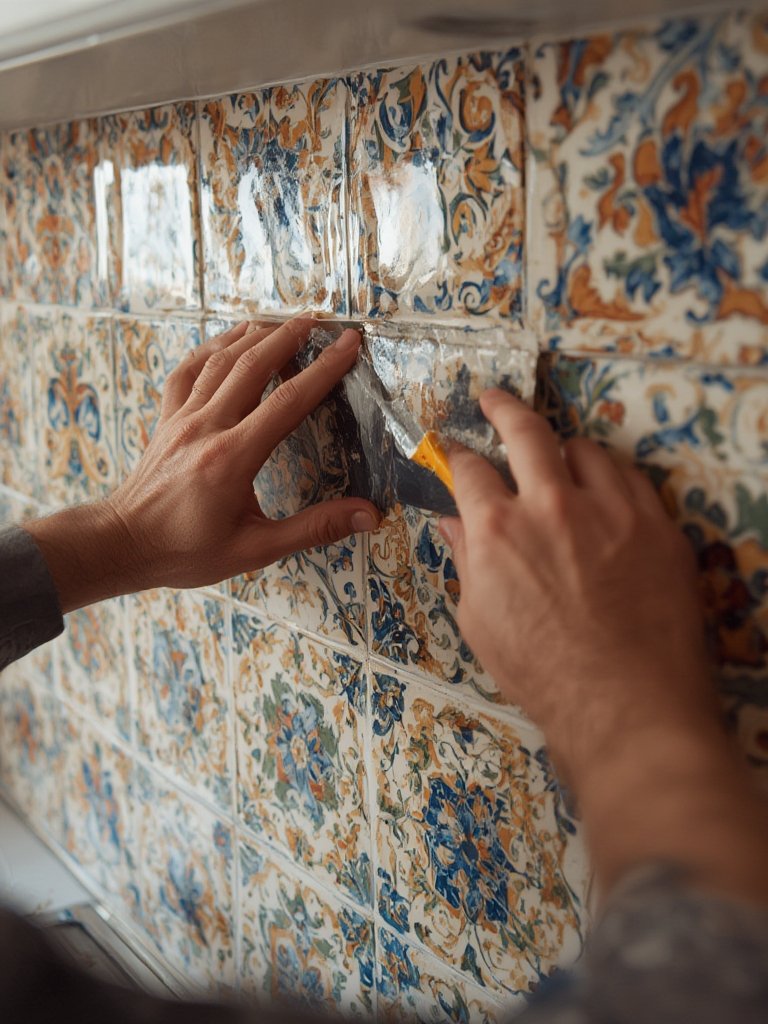
Installation trick: Lay out all tiles dry before fixing them with adhesive to preview the pattern. For stripes, double-check row and joint alignment before setting the first tile—use a laser line if possible.
Balance bold styles with functional storage and furniture—our review of the Shintenchi rolling kitchen island shows how movable pieces complement intricate patterned floors without hiding them.
Pitfalls to Avoid and Real-World Considerations
Unique tiles transform a room, but there are some practical snags buyers often only discover too late:
- Price unpredictability: Factory-direct e-commerce lowers some costs, but custom or imported tiles (especially hand-painted or rare vintage) fetch high premiums. Budget overruns are common if you do not pre-check availability and confirm calculations.
- Durability mismatch: Choosing porous terracotta or unglazed tiles for a wet bathroom floor can backfire, leading to staining or premature wear. Always match finish and material to expected foot traffic/humidity.
- Pattern complexity: Striped tile bathrooms and busy vintage mosaics require skillful alignment and cutting. Imperfect layouts or lippage (uneven tiles) stand out on bold patterned surfaces.
- Maintenance misconceptions: Textured, matte, or unsealed surfaces collect grime faster than glossy finishes. Extra maintenance is required for deep textures or handmade finishes; not all cleaning products are safe for these tiles.
| Tile Type | Estimated Cost Range | Durability | Maintenance Needs |
|---|---|---|---|
| Porcelain (striped, large-format) | $10–$30/sq.ft. | Excellent | Low |
| Vintage/handmade ceramic | $15–$60/sq.ft. | Varies | Medium–High |
| Terracotta (traditional) | $12–$40/sq.ft. | Medium | High—requires need regular sealing |
| Blue glazed ceramic | $12–$30/sq.ft. | Good | Low–Medium |
| Mexican clay tiles | $15–$45/sq.ft. | Medium | Medium—color can fade in sunlight |
Design and material innovation are making many unique tiles more accessible, thanks to inkjet printing (for real-looking patterns) and sustainable, low-VOC options (source). Still, demand is up, so out-of-stock issues and slow delivery times are real concerns.
When sourcing online, always verify authenticity, material specs, and check for eco-certifications or guarantees. Omnichannel sellers offering factory-direct models can save you money but require more diligence on your part regarding quality and returns.
Conclusion
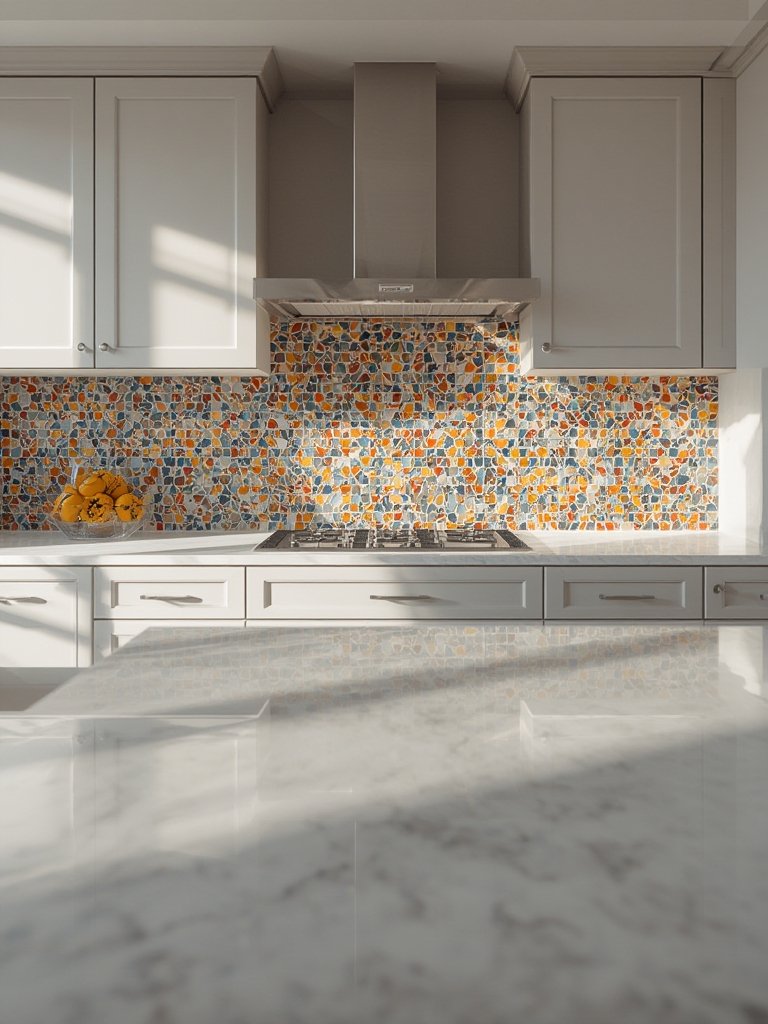
Unique tiles—whether you go for bold stripes, timeless vintage, or hand-finished terracotta—are surging in popularity because they give homes personality and function where it matters. Take care to select the right material for your needs, budget with some margin, and prioritize both style and durability.
If you want a deep dive on sourcing vintage tiles or need inspiration for integrating them with practical storage solutions, explore more on Honestly Loved. Ready to give your space real impact? Start your unique tiles search—and don’t forget to share your own transformations.
FAQ
Are unique tiles worth the higher price compared to standard options?
Yes, if you want standout style or a focal point in your room. Their cost is higher, but their durability, custom look, and lasting appeal often justify the premium.
Can I use vintage or terracotta tiles in bathrooms?
You can, but be careful. Handmade terracotta or vintage tiles are porous and need regular sealing for use in wet spaces. For bathroom floors, glazed ceramics or porcelain tiles are typically a safer pick.
How do I care for and maintain unique tiles?
Glazed ceramic and porcelain tiles are easy to clean with mild detergent. Matte, porous, or handmade tiles require gentler cleaners, more frequent sealing, and immediate cleanup of spills to maintain appearance.
Where can I find truly unique tiles online?
Specialty shops and artisan-makers online offer a wide selection. Prioritize sellers with detailed specs and independent reviews. Check for sustainability certifications and transparent guarantees, as highlighted in our vintage tile sourcing guide.
What are the risks of ordering tiles online?
Color variation, batch differences, or damage during transit are the main risks. Order a sample first, confirm return policies, and keep extra tiles for repairs.
[…] certified materials—just like shoppers do when selecting character-rich vintage tiles or seeking unique wall textures for maximum […]
[…] Crucially, most manufacturers focus on marketing “resistance” and “ease of cleaning” over comfort or sustainability credentials. If eco-friendliness is a top priority, you might also consider alternatives featured in our guide to sourcing vintage tiles and unique tiles. […]
[…] texture and tile choices, compare statement surfaces and their effect in other rooms in our unique tiles design trends guide—this can help sidestep aesthetic regret down the […]
[…] removable wallpaper or adhesive-backed tiles offer non-committal maximalism (get inspired by our unique tile design trends […]