

ventless washer dryer units are changing how apartment dwellers and landlords approach laundry by skipping the need for external venting, offering energy savings, and solving typical small space headaches.
Key Takeaways
- Ventless washer dryer appliances, especially heat pump models, save 20% more energy than standard dryers and are ideal for apartments with no external vent access.
- They come with unique challenges, including longer cycle times, regular maintenance, and high upfront costs, but are easier to install and operate in urban apartments.
- Building codes rarely restrict ventless dryers, but buyers should consider weight, vibration, and frequent filter cleaning before choosing.
- What Is a Ventless Washer Dryer—and Why Pick One?
- How to Choose and Install a Ventless Washer Dryer: Step-by-Step
- Advanced Analysis
& Common Pitfalls - Conclusion
- Frequently Asked Questions
What Is a Ventless Washer Dryer—and Why Pick One?
A ventless washer dryer is a laundry appliance that dries clothes by recirculating air to extract and collect moisture, never requiring an outside vent. This is possible because these machines use either heat pump or condensing technology to condense water vapor and send it to a drain or a collection tank.
There are two main types: heat pump and condenser. Heat pump models reuse hot air in a closed loop and offer the highest savings, using roughly 0.24 kWh per kilo of laundry. Condenser models use heated air to dry the load, then cool it rapidly to condense out water, collected into a tray or expelled to a drain.
Why does this matter for apartments and small homes? Many apartments lack vent connections for traditional dryers. That’s where ventless combos come in—they fit into compact spaces and typically just plug into standard 120V or 240V outlets. Models like the Beko HPD24414W, LG DLHC1455W, or GE Profile PFQ97HSPVDS offer Energy Star Most Efficient ratings, using at least 20% less energy than standard vented dryers (see expert Energy Star review).
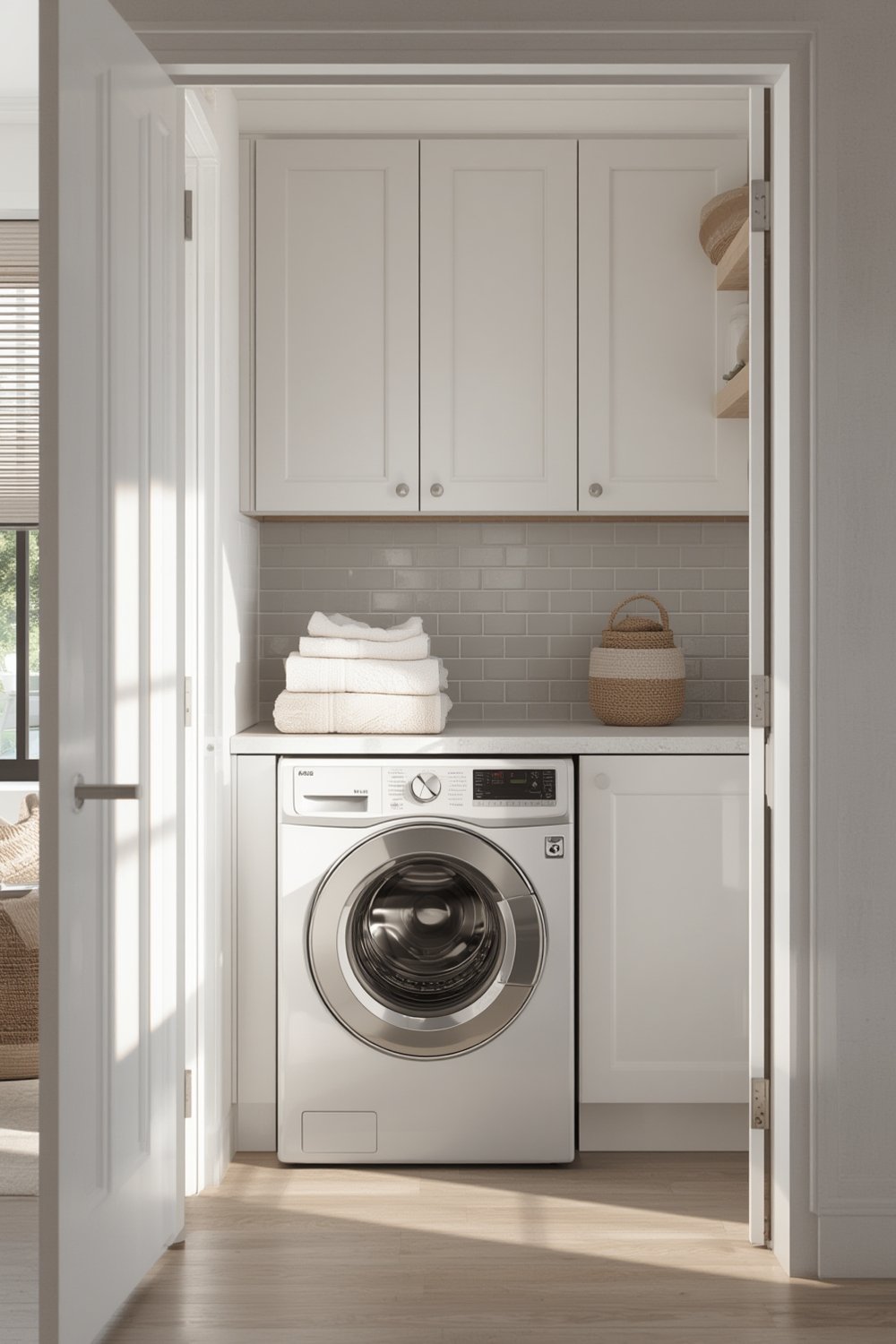
Besides energy savings, ventless washer dryers save on installation time and cost—you won’t need ductwork or exhaust outlets. That makes them attractive to urban landlords hoping to attract renters or raise property value with in-unit laundry, as well as residents tired of the laundromat.
If space efficiency is your concern, you might also like our review of the Shintenchi rolling kitchen island for easy extra prep space—another winner for apartment living.
How to Choose and Install a Ventless Washer Dryer: Step-by-Step
-
Measure Your Space
Check your laundry area size and be realistic. Ventless models—especially combos—are heavy (up to 330 pounds) and require at least 24 to 34 inches of width and 25 to 40 inches of depth. If you’re installing on an upper floor, check if the floor can support the weight to reduce vibration and weight. If you already have furniture for tight spaces, see our take on the Allewie lift-up storage bed.
-
Decide: Heat Pump or Condenser?
Heat pump models cost more up front but deliver significant long-term savings (average of $550 per washer during its lifetime, per Energy Star data). They are gentler on fabrics and more energy-efficient but sometimes take slightly longer to dry. Top picks in 2024 include the Bosch WQB245AXUC and Miele T1 (see details).
Condensing units dry a bit faster but use more energy and may need more routine maintenance on the condenser.
-
Electrical and Drain Access
Most ventless models use a regular 120V (smaller combos) or 240V outlet. For drainage, a washer drain is perfect, but some ventless combos can collect water in a tank (which you will need to empty).
-
Installation
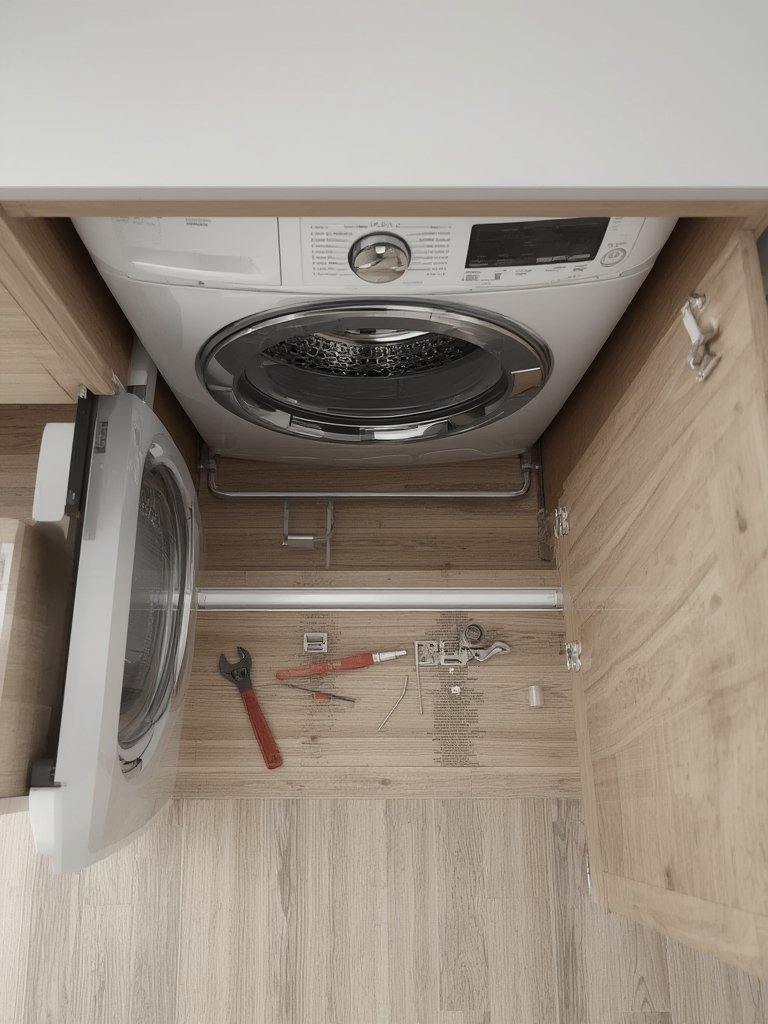
Move the machine into place very carefully—these units are heavy and can vibrate if the floor isn’t sturdy. Connect water hoses, plug in, and connect the drain hose as directed. You’re ready to wash and dry.
-
Routine Maintenance
Regularly clean the main lint filter and any secondary or condenser filters—some models have hard-to-reach trays that collect lint and pet hair. This is absolutely necessary for optimal performance. Plan on monthly checks. Want a tool set to make installation easier? See our CRAFTSMAN tool set for convenient home assembly work.
If maximizing every inch of space is important in your laundry nook, the VASAGLE five-tier ladder bookshelf is excellent for storing detergents and supplies vertically.
Advanced Analysis & Common Pitfalls
Choosing a ventless washer dryer is not risk-free. Here’s what real apartment users and landlords most commonly report:
| Issue | Ventless Heat Pump | Condensing Only | Traditional Vented |
|---|---|---|---|
| Drying Time for Bulky Loads | Can be long (60–150 min); best on small or split loads | Shorter than heat pump (50–100 min) but less energy-efficient | Usually fastest (40–70 min) |
| Energy Use per Year | ~263 kWh/yr; best Energy Star models | ~350 kWh/yr; moderate savings | ~700+ kWh/yr; no savings |
| Installation Work | No vent, nearby drain needed | No vent, nearby drain needed | Needs vent to outside (often impossible in apartments) |
| Maintenance Needs | Lint and condenser cleaning monthly | Filter and tray cleaning monthly | Simple lint screen cleaning |
| Common Complaints | Filter clogs, long cycles, wrinkling, frequent early repairs | Clogs, moisture left in loads, noisy | Only installable with vent, no energy benefit |
| Upfront Cost | High | High | Low to moderate |
| Best For | Modern apartments, energy savers | Compact installs, budget energy savings | Houses with vent access |
Other pitfalls and overlooked issues:
- Vibration and weight: Heavy combos (over 300 lbs) may cause shaking, especially on upper floors lacking reinforced joists. If your kitchen suffers similar woes, our honest review of a pedestal dining table with stability might interest you.
- Maintenance “surprises”: Dryer and hidden filters clog with lint and pet hair—monthly cleaning is mandatory. Miss this and expect service calls or error codes. Unclogging can involve trays you didn’t know existed.
- Frequent breakdowns in the first 12 months: Some models see 4-6 repairs in the first year—water fill sensors or pump errors are not rare. Always budget for an extended warranty.
- No conclusive evidence on rental income: While Energy Star points to installation ease and energy savings, there’s currently no solid real estate data linking ventless washer dryers to higher rents.
- Building codes are rarely an obstacle: In 2024, most US cities lack regulations that block ventless dryer installs; these appliances actually help solve code headaches in historic or urban buildings (see regulations overview).
- Long-term value is in energy savings: Despite higher upfront and possible maintenance costs, you get lower power bills and more flexible living space (see Energy Star savings).
Want more insight? Explore our deep dive: ventless washer dryer solutions for apartments.
Conclusion
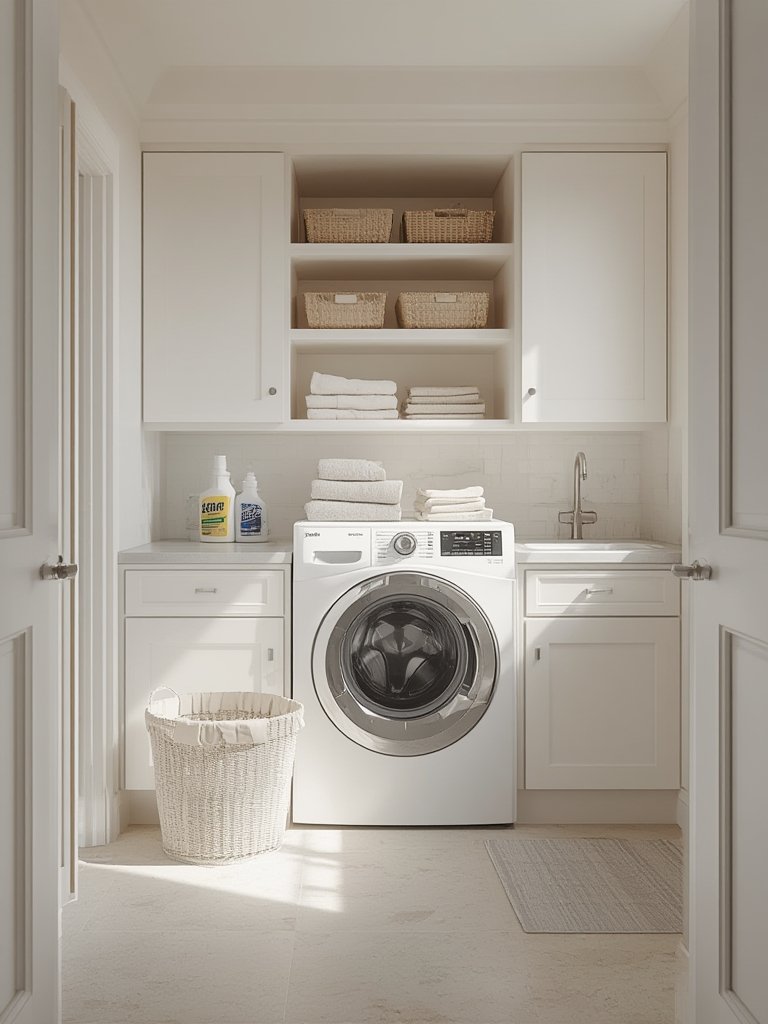
Ventless washer dryer solutions are the real answer for urban apartments with no outside venting. They’re energy efficient—especially heat pump models—and flexible to install. However, expect maintenance (especially lint and pet hair), sometimes longer cycles, weight-related issues in upper-floor installs, and a higher upfront price. If in-unit laundry is your goal and you can commit to basic upkeep, a ventless washer dryer is worth it. Ready to re-think your laundry space? Start your search today and consider models with proven energy savings.
Frequently Asked Questions
Do ventless washer dryers take longer to dry clothes?
Yes, ventless models—especially washer dryer combos—take longer than traditional vented dryers. Drying times are commonly 90–150 minutes per average load, and bulky items may need splitting between cycles.
Are ventless dryers safe and approved for apartment use?
Yes, as of 2024, most US cities have no building code restrictions preventing ventless dryer installs. Always check with your property manager first for drain and outlet compatibility.
How often do I need to clean the filters in a ventless washer dryer?
It’s best practice to clean the main lint filter after every load and check any hidden lint/condenser trays monthly. Neglecting this can cause performance problems or trigger error codes.
Do ventless washer dryer combos save money?
They cost more up front, but Energy Star data shows lifetime energy savings of at least $550 per washer. If you pay for your own utilities, these savings can add up meaningfully over the years.
Can ventless washer dryers handle pet hair?
Ventless designs can struggle with pet hair, which accumulates in hidden trays and can cause clogs. Extra diligence with filter cleaning is needed if you have pets.
[…] out a ladder bookshelf for stylish storage solutions. Curious about ventless laundry savings? Our ventless washer dryer guide explains how similar tech is changing […]
[…] The market for washable rugs hit $6.5 billion in 2024, driven by family needs, pet-friendly living, and the demand for easy-care home products. Search interest has soared as more people realize traditional rugs are expensive to clean, vulnerable to stains, and, in many households, simply impractical. Leading washable rug categories include vintage-style, large area, and outdoor-friendly designs, showing just how broad the appeal has become. If you’re curious about home upgrades that combine function with style, consider how a washable rug could address both — especially if you’re already rethinking other home essentials like a modern planter or ventless washer dryer. […]
[…] eco-friendly backyard layout? Explore practical ideas for pet-friendly landscaping or incorporating water-saving appliances indoors for a comprehensive sustainability […]
[…] wider home upgrades, see our guides on heat pump water heaters and ventless washer dryers—these trends often qualify for bundled utility rebates and similar installation […]
[…] This makes SPC especially interesting for rentals, basements, kitchens, and entryways. For more rental property upgrade inspiration, check out our guide to ADU construction and ventless washer dryer solutions. […]
[…] more on next-gen floor and home innovations, check out our guides on ventless washer dryer technology, smart home EV charging, or unique vintage tile […]
[…] in doubt—like with your ventless washer dryer or heat pump water heater—read the manufacturer’s installation notes and clearly label breaker […]
[…] more practical DIY advice in and around your home, see our honest guide to ventless washer and dryer installation, where safety and step-by-step instructions are also crucial. Or if you’re looking to upgrade […]
[…] in insurance, permitting, inspection, and efficiency upgrades (see ventless washer dryer options for laundry […]