

Vintage tiles instantly bring depth, history, and a sense of artistry to any space—without forcing a full renovation. Their enduring patterns and crafted finishes stand out in a world of off-the-shelf surfaces.
Key Takeaways
- Vintage tiles, like terracotta and Mexican tiles, are expanding rapidly—with market values expected to climb over 50% in the next decade.
- While vintage tiles create a striking look, sourcing rare styles and installation specifics are often overlooked, so careful planning is necessary.
- No major issues around maintenance or durability appear in current market research, but real-world challenges with supply and integration can emerge.
- What Are Vintage Tiles and Why Are They Trending?
- How to Successfully Source and Install Vintage Tiles
- Advanced Analysis & Common Pitfalls
- Conclusion
- FAQ
What Are Vintage Tiles and Why Are They Trending?
Vintage tiles are ceramic, terracotta, metal, or patterned tiles inspired by or reclaimed from earlier design eras. These include blue ceramic tiles, classic Mexican talavera, ornate copper tiles, and hand-formed terracotta mosaics. Unlike modern, mass-produced tiles, vintage tiles provide authentic color depth, distinct patterns, and unique textures for both residential and commercial settings.
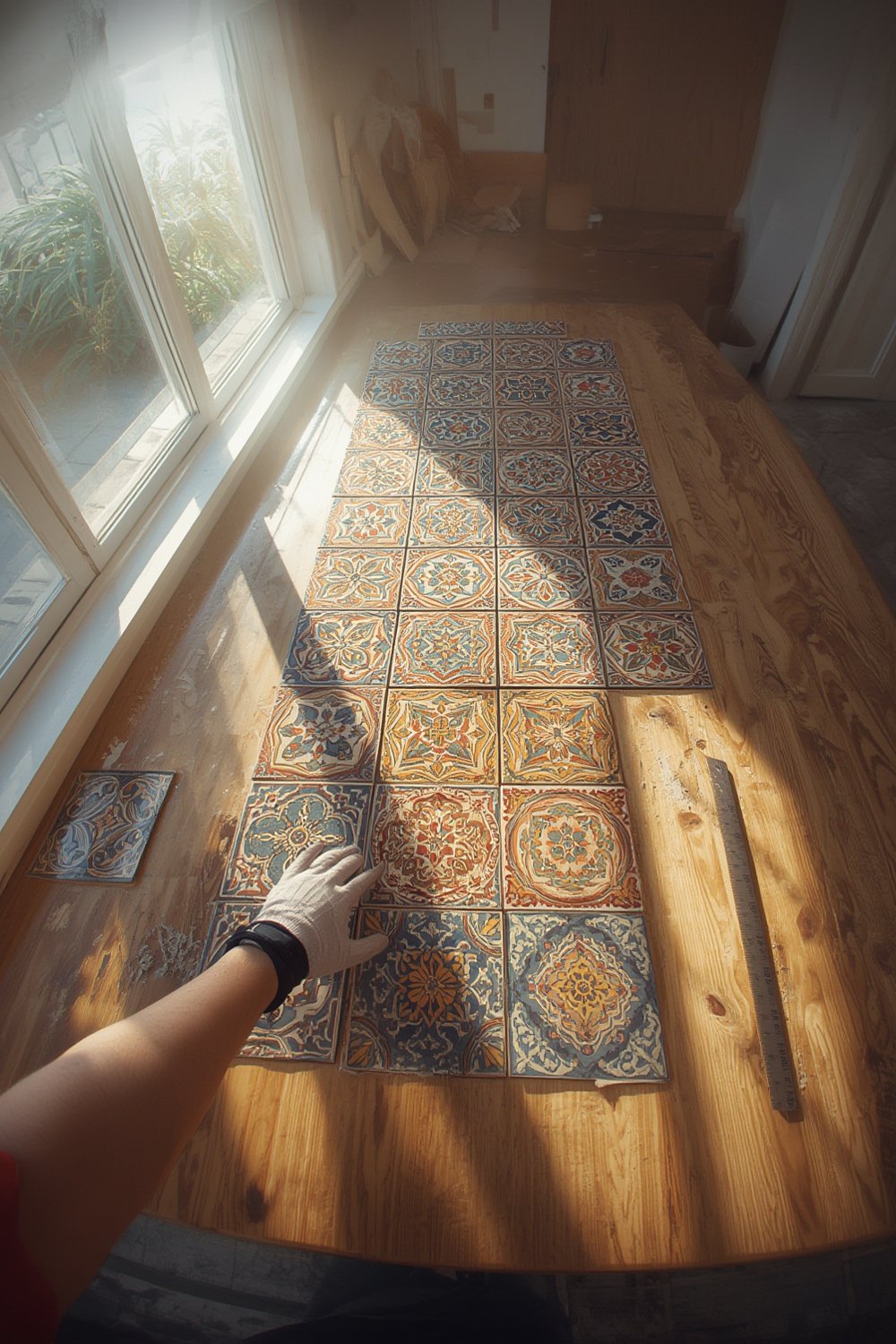
Strong demand is driven by home renovators, architects, and designers seeking enduring authenticity. The terracotta tile market alone hit USD 12.3 billion in 2024, poised for even more growth. The Mexican ceramic tile market is projected to jump from USD 4 billion in 2024 to USD 7 billion by 2032—an astonishing expansion fueled by urban development, eco-friendly preferences, and the rising demand for unique, lived-in finishes. Porcelain tiles, closely related, have an impressive 54.6% market share in Mexico due to their abrasion resistance and versatility.
Opting for vintage tiles goes beyond nostalgia. They lend spaces a serene, story-rich aesthetic you can’t get from modern, machine-made alternatives. But obtaining, installing, and integrating these tiles takes thoughtful preparation. Let’s break that process down—step by step.
How to Successfully Source and Install Vintage Tiles
To make the most of vintage tiles, consider these practical steps before you start shopping or renovating.
Step 1: Research Styles and Material Types
Decide whether you’re after handpainted Mexican tiles, classic patterned ceramic squares, or specialty finishes like copper. Terracotta and Mexican tiles are particularly popular for kitchen backsplashes and evenly-worn floors, while blue ceramics offer a bolder color punch. Don’t forget to consider porcelain’s durability if your area sees heavy foot traffic.
Resource: The Mexico Ceramic Tiles Market analysis confirms porcelain’s dominance in settings where resilience matters, such as commercial spaces.
Step 2: Source Authentic and Quality Tiles
Despite growing demand, sourcing authentic vintage tiles or rare reproductions can take more time than with modern tiles. There’s a lack of widely rated retailers in this space, so connect directly with regional suppliers or reputable importers. In Mexico, for instance, major suppliers like Grupo Lamosa and Mohawk Industries account for many of these specialty tiles.
At this stage, verify return policies, minimum orders, and actual lead times. International orders may face supply delays or unpredictably high shipping rates, especially for fragile, heavy, or one-off tiles.
Step 3: Prepare for Installation (Or Hire an Expert)
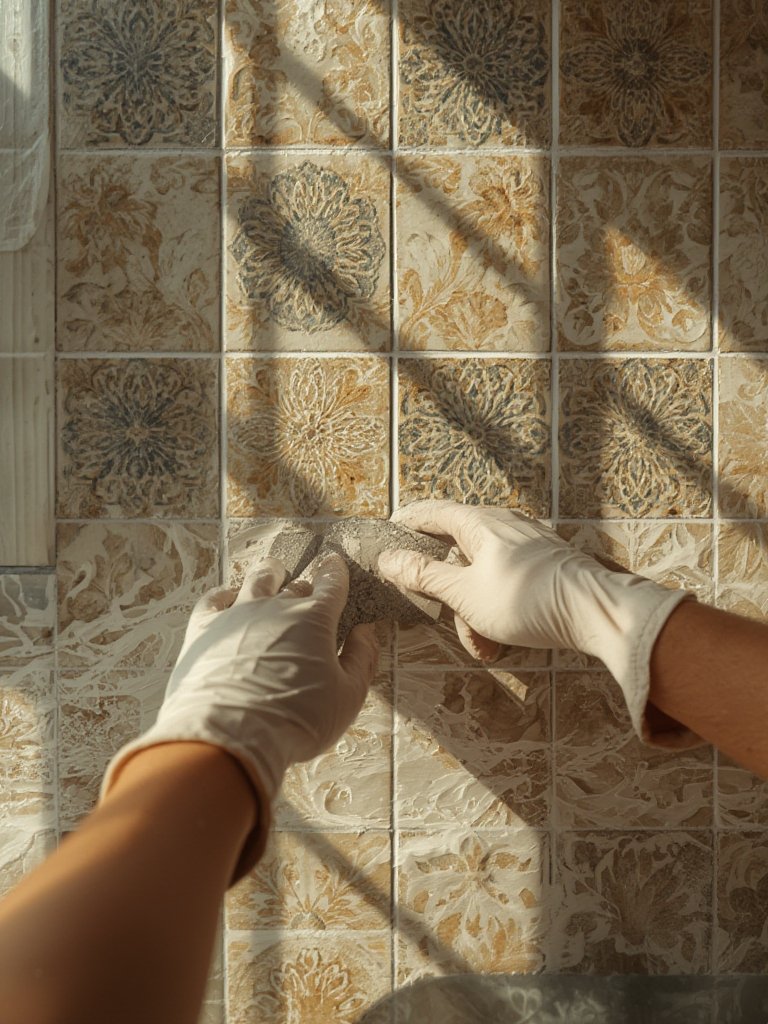
Most installation failures stem from improper substrate prep or failure to adapt to size and thickness differences within handmade or reclaimed tiles. Always dry-lay your layout before applying adhesive, and be ready to use spacers of varying thickness to get a consistent finish. Many contractors have limited expertise with vintage tile quirks, so ask detailed questions or find a specialist through design forums, if possible.
Read our review on modern concrete planters for inspiration on mixing historical tile with fresh materials in your layout.
Step 4: Grout, Seal, and Maintain
Choose unsanded grout for delicate glazed surfaces and invest in a high-quality sealant for handmade terracotta or porous tiles. Many vintage tiles need resealing every few years to prevent stains or moisture damage. Clean gently—avoid harsh acids or abrasive scouring.
For those adding storage or functional furniture alongside vintage surfaces, our advice on kitchen islands might help integrate these finishes smoothly.
Advanced Analysis & Common Pitfalls
Vintage tiles have real advantages, but it’s vital to weigh the negatives and potential traps before you commit:
| Tile Type | Durability | Maintenance | Availability | Design Suitability |
|---|---|---|---|---|
| Terracotta | Medium (requires regular sealing) | High (porous, stain-prone) | Readily available, but quality varies | Warm, rustic, Mediterranean looks |
| Mexican Ceramic | High (great abrasion resistance) | Low–moderate (basic care) | Strong supply from major brands | Colorful, handpainted, eclectic |
| Copper | Medium (dents, patina over time) | Specialty (prone to tarnish, needs polish) | Sporadic, mostly custom orders | Luxurious accents, bold bathrooms |
| Blue Ceramic (Vintage Style) | High (if glazed) | Low | Limited styles; supply can be an issue | Statement walls, kitchen backsplashes |
Supply Chain and Sourcing Issues
Lead times for specialty or rare styles can be long and unpredictable. Most widely available vintage-look tiles are mass-manufactured, not authentic—the more unique you go, the more prepared you must be for longer waits and high shipping costs. U.S. and international markets do not have abundant pricing data for specific vintage styles—so budget for potential overruns.
Consider integrating new surfaces with vintage ones—review our wood console table guide or see how a modern ladder bookshelf can complement tile-heavy spaces.
Gaps in Competitor Content
- Most online resources ignore the challenges of sourcing rare or one-off vintage tiles. Consider establishing direct relationships with specialty dealers or salvage yards.
- Installation specifics are missing from most guides—especially regarding uneven surfaces or the specialist tools required.
- Integration of striped or contemporary trends (e.g., striped tile bathrooms) gets little coverage, despite growing consumer interest. Try blending subtle, modern layouts with classic tiles for a unique touch.
Real-World Maintenance & Durability
According to aggregated research, no major pain points or complaints are reported for vintage tile maintenance or durability. But in practice, the potential for grout discoloration, cracking due to substrate issues, and confusion around cleaning incompatible materials (especially copper and terracotta) is high. Set realistic expectations for care—especially in kitchens and bathrooms.
Conclusion
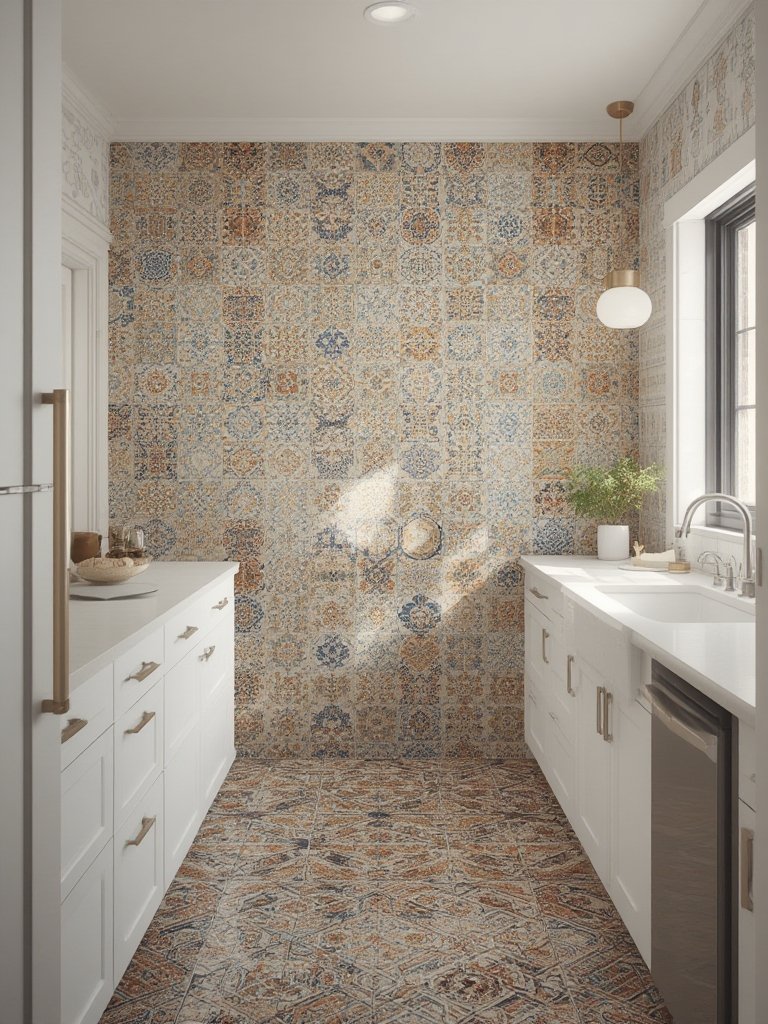
Vintage tiles remain one of the most effective ways to add history, character, and value to any space. The global market is growing, and options range from handpainted Mexican ceramics to rustic terracotta and striking copper designs. Proper sourcing, skilled installation, and realistic care are crucial for a satisfying outcome. Vintage tiles offer creativity and function—if you plan thoroughly and stay flexible with sourcing and design. Ready to transform your space with lasting style? Explore your options, order samples, and connect with suppliers before your next project.
FAQ
Are vintage tiles suitable for bathrooms and kitchens?
Yes, as long as you select water-resistant tiles (like glazed ceramics or sealed terracotta) and maintain proper sealing. Handmade or antique tiles may require more frequent upkeep in wet areas.
How can I tell if vintage tiles are authentic or reproductions?
Authentic tiles have variation in tone, irregular edges, and sometimes hand-signed marks. Reproductions tend to be uniform and lack the patina seen on older surfaces.
What’s the average cost difference between vintage tiles and modern tiles?
There isn’t much public price data, but vintage and specialty tiles are generally more expensive due to limited production, sourcing challenges, and higher shipping costs. Factor in extra costs for installation and future maintenance.
Can I mix vintage tiles with modern decor?
Absolutely. Contrast is key. For example, pair a vintage tile backsplash with a lightweight planter or modern furniture for balance.
What maintenance do vintage tiles require?
Most vintage tiles just need regular gentle cleaning, occasional resealing (for porous types), and prompt attention to stains. Avoid acidic or abrasive cleaners, especially on terracotta or copper.
—
[…] Update Room by Room. In kitchens, try geometric backsplash tiles and chrome light fixtures. For bedrooms, add a deco-inspired headboard and streamlined console (unique tiles sourcing). […]
[…] how we buy—ranging from playful color-blocked patterns to timeworn antique-style surfaces. Vintage tile options are being spotlighted, with more buyers seeking alternatives to bland, mass-produced […]
[…] for felt-backed panels with recycled or certified materials—just like shoppers do when selecting character-rich vintage tiles or seeking unique wall textures for maximum […]
[…] For example, pair Afrobohemian textiles with vintage tiles or minimalist planters to keep the look eclectic but […]
[…] on rare slabs, use red marble only for the vanity counter or niche trim, then coordinate with unique vintage tiles in complementary hues on the floor or shower wall. The effect stays rich but costs […]
[…] sofas can adapt to changes. For inspiration, pair with décor like a compact entryway bench or statement vintage tile […]
[…] is a top priority, you might also consider alternatives featured in our guide to sourcing vintage tiles and unique […]
[…] and fun in living spaces or children’s rooms. If you want more inspiration, check out our vintage tiles sourcing guide for ways to layer historical personality into bold decor […]
[…] to transform your whole bathroom vibe? Upgrades like vintage tiles or durable SPC flooring offer major style for less money than major renovations. And for hands-off […]
[…] an added visual pop, try incorporating unique tiles as a surface accent. Our vintage tile sourcing guide has practical inspiration for anyone craving more pattern and color underfoot or on […]
[…] Decide where copper will have the most impact. Use copper as a shower wall accent, vanity backsplash, or unexpected floor border. In a small bathroom, a dramatic copper penny tile niche draws the eye without overwhelming the room. In an open-plan ensuite, larger smooth copper panels or mosaic tiles can anchor the space and work well with both classic and modern fixtures. For ideas on mixing tile types, see this unique tiles guide. […]