

Work office makeover is more than just changing decor—it’s a strategy to tackle burnout, boost productivity, and keep employees engaged. In 2024, businesses are rethinking dull, standard spaces as worker well-being and productivity trends reshape the way we approach office design. If your workspace feels stale or draining, a clear and practical makeover can make a difference.
Key Takeaways
- Open-plan offices often harm well-being and productivity; focused, personalized spaces work better.
- Green features, chic decor, and flexible design are usually overlooked but can drive real improvement.
- Strategic, budget-conscious upgrades are possible—even small changes can create a big impact.
- What Is a Work Office Makeover and Why Bother?
- How to Plan and Execute Your Office Makeover
- Realistic Challenges and Common Pitfalls
- Conclusion
- Frequently Asked Questions
What Is a Work Office Makeover and Why Bother?
A work office makeover is the process of deliberately updating your workspace with targeted changes in layout, decor, organization, and ergonomics. This isn’t about just buying trendy new gadgets. It’s about creating an environment designed for how you actually work, feel, and collaborate.
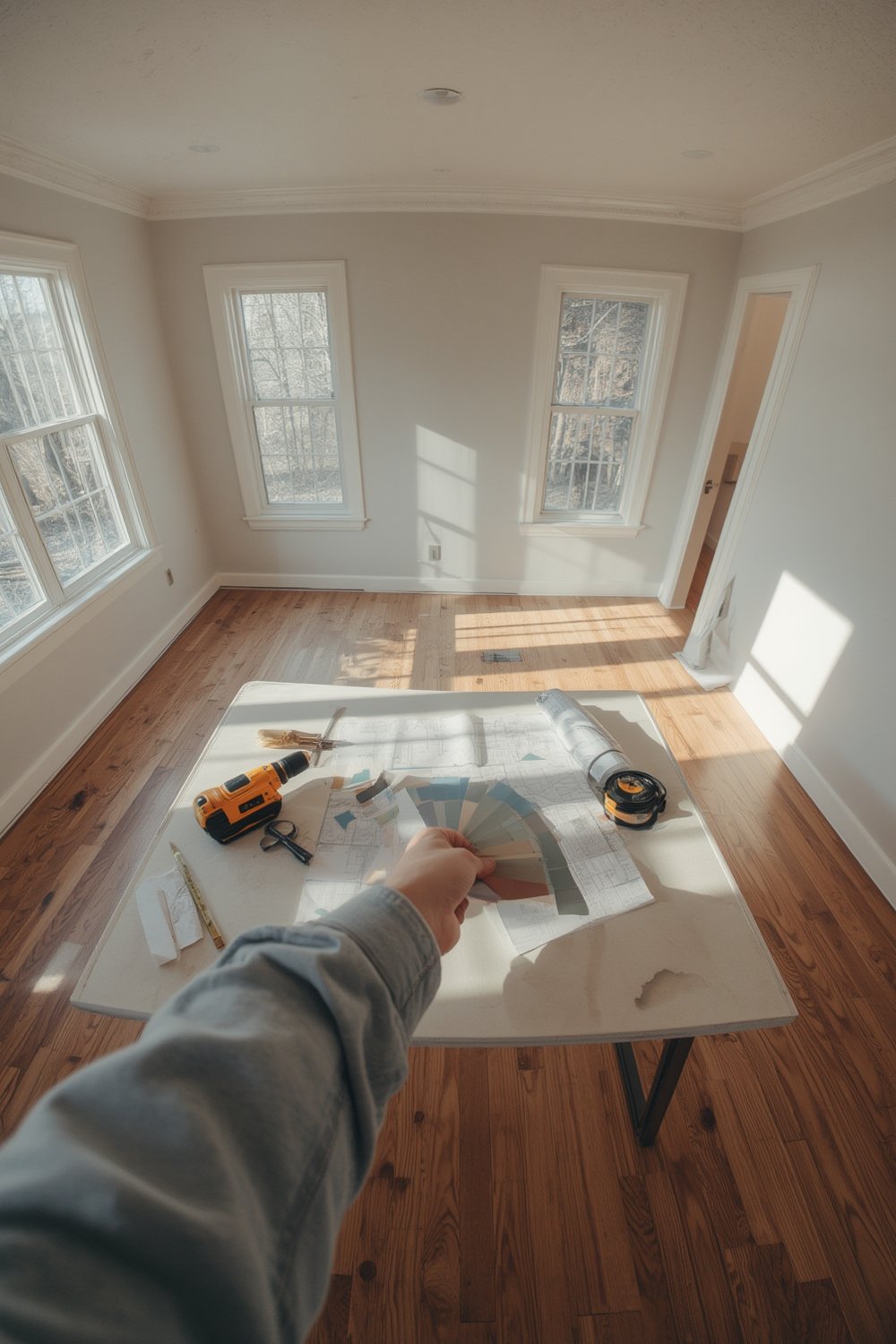
Today’s research shows that well-intentioned open-plan offices often decrease well-being by 32% and productivity by 15%. Most workers want privacy, comfort, and personal control over their workspace. Source Flexibility, daylight, biophilic elements like plants, and high-quality seating all help with focus and mood, but are still missing from most redesigns.
Ultimately, a successful work office makeover means using what science suggests—private nooks, green touches, warmth, and practical upgrades—rather than just following vague design trends. Even lower-cost tweaks (better chair, task lighting, personal organizers) can improve energy and reduce frustration. Check out how products like a mobile standing desk or a powerful air purifier deliver more than just aesthetic value.
How to Plan and Execute Your Office Makeover
Whether you control a small cubicle, manage an entire department, or are starting fresh at home, here’s how to map a successful office makeover—one that addresses real pain points and leads to sustainable gains:
-
Audit Your Current Setup
- Document sources of discomfort: bad chairs, harsh lighting, tech clutter.
- Interview others sharing the space, if relevant, for their biggest frustrations (privacy, temperature, lack of daylight).
-
Set Your Makeover Scope and Budget
- Basic upgrades ($30-$200): new desk lamp, standing desk converter, cable management, ergonomic mouse.
- Midrange ($200-$800): modern mobile standing desks (see our detailed Sweetcrispy review), upgraded seating, smart storage.
- Luxe/green: air purifier (BLUEAIR review), recycled acoustic panels, real plants, and sustainable lighting (concrete planter review for desk plants).
-
Prioritize Core Fixes
- Address comfort and function first: fix seating, lighting, and clutter. Studies show most “makeover fatigue” happens when workers feel forced to compromise on comfort for style.
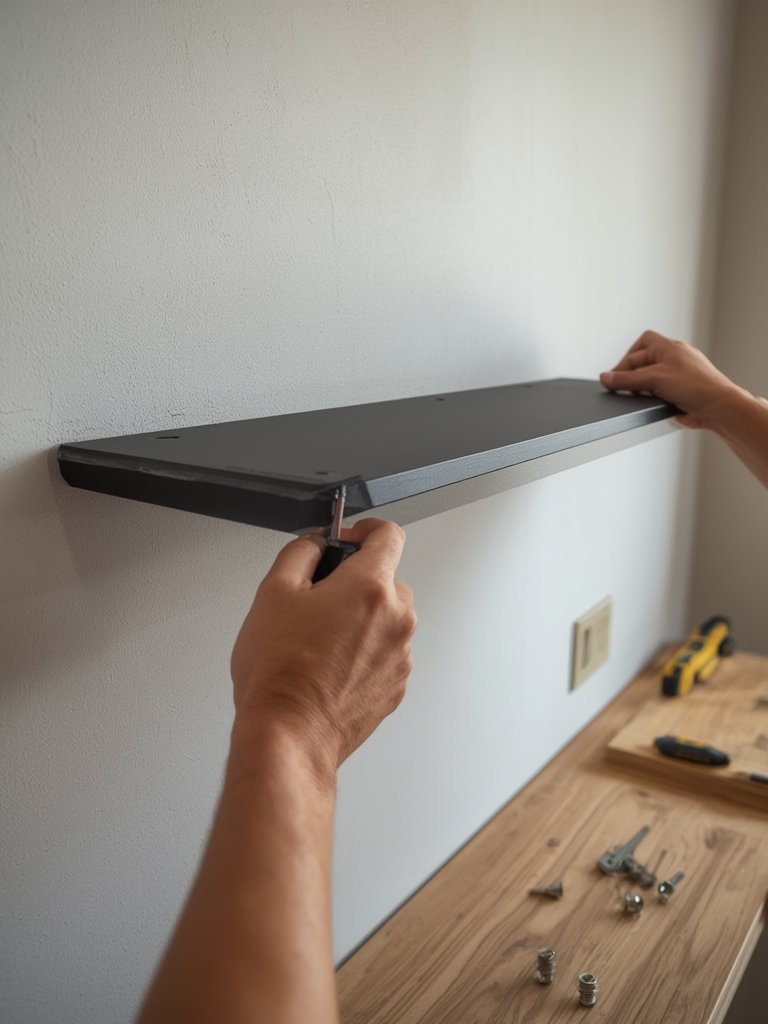
- Organize vertically: shelves like a VASAGLE ladder bookshelf use less desk space and tame visual chaos.
-
Layer in Personalization
- Use photos, greenery (see our classic planter review), and neutral or calming colors for accessories. These are nearly always missing from cookie-cutter office designs.
- Upgrade air and light quality: modern LED task lamps, portable purifiers, and blinds or desk-sited shades (more details) all fight fatigue.
-
Add Green, Sustainable Features
- Use energy-efficient lamps, small live plants (pothos, snake plants), or even a desktop moss panel. Recent external research shows these are almost always ignored in major “trends” roundups, even though employees repeatedly value green cues. Source
- If possible, position your desk near a window or add full-spectrum LED bulbs for simulated daylight.
-
Test and Fine-Tune
- Commit to testing one change at a time if possible. Employees may prefer sit-stand desks but only after careful adjustment and habit-building to avoid fatigue.
- Solicit feedback or self-reflect on how each adjustment affects energy, comfort, and real productivity.
-
Avoid Overbuying
- Don’t fill your office with fads. Pick multifunctional, quality items that last—examples: lift-top tables for hidden storage or slim tables that serve as both extra surface and professional divider.
Realistic Challenges and Common Pitfalls
Office makeovers can backfire if poorly planned. Studies highlight the major issues:
| Common Pitfall | Real-World Impact | How to Avoid |
|---|---|---|
| Poor Privacy / Open Layouts | 32% drop in well-being; 15% productivity loss [Source] | Create visual and sound buffers (plants, shelves) |
| Bland or Overly Trendy Decor | Low morale (34%) and 44% project delay links | Incorporate neutral, timeless accents with personal touches |
| Ignoring Organization | Average office worker only productive ~3 hours/day | Invest in cable management, vertical storage, daily resets |
| IT/Tech Frustration | 95% say tech issues disrupt morale [Source] | Budget for surge protectors, docking hubs, reliable lighting |
| Neglecting Green Features | Overlooked in nearly all office design guides | Add at least 1-2 live plants, LED bulbs, energy-use reminders |
| Overpurchasing “Cute” Decor | Desk clutter kills deep work focus | Choose a few quality and functional items; rotate with seasons |
| Lack of Budget Planning | Costs can exceed value—no clear ROI | Map each purchase to a specific need (see our reviews for guidance) |
It’s also easy to overlook good lighting, power access, and proper desk height. If in doubt, prioritize basics over trends—and always test before rolling out to an entire team. You’ll avoid headaches and measure what actually matters for your group versus chasing generic “productivity hype.”
Conclusion
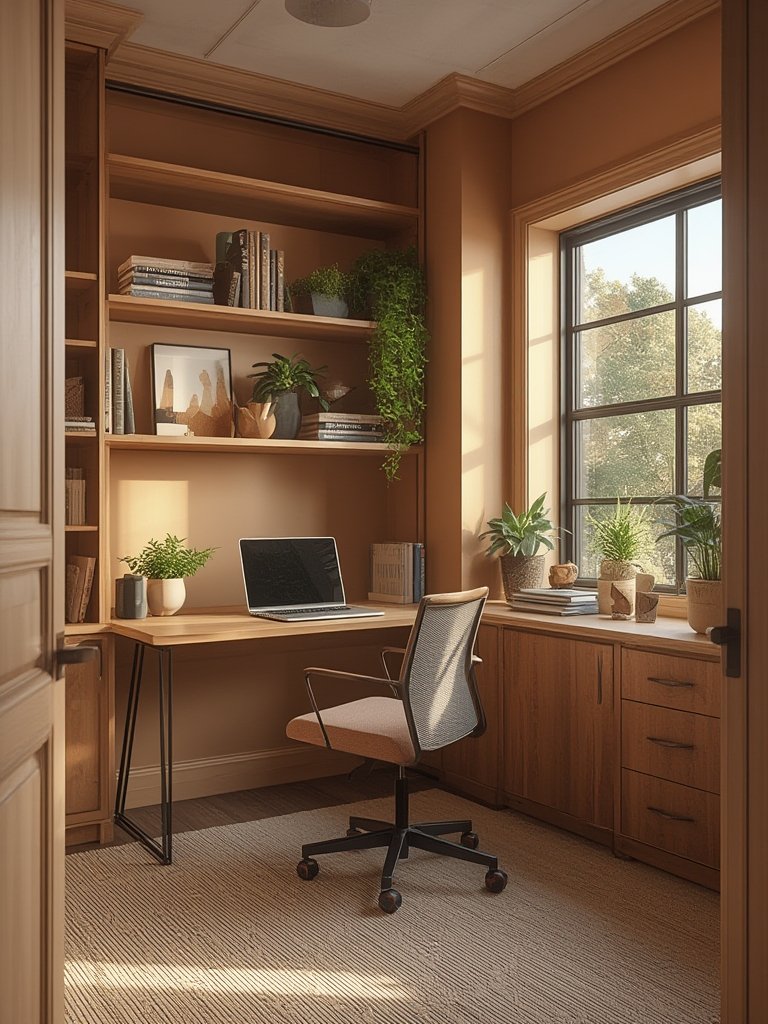
An effective work office makeover combines comfort, personal style, and practical upgrades that truly reflect how you work. The difference isn’t found in expensive fixes or fads—it’s targeting weak points like poor organization, bland decor, and bad ergonomics. Even with a small budget, a mix of smart storage, desk-friendly greenery, and upgraded lighting can lift energy and keep disengagement at bay. Treat your makeover as an investment in well-being and focus—one step leads to the next. Ready to start your work office makeover? Start with a focused audit and let your workspace evolve!
Frequently Asked Questions
Does a work office makeover really boost productivity?
Yes, with a focus on comfort, organization, and personal control, makeovers can drive measurable improvements—but only if the changes match the way you and your team work best. Forcing all workers into one trend (like open layouts) actually cuts productivity in most cases.
How much should I budget for a small office makeover?
DIY makeovers can start at $50–$200 for basic changes like lighting and cord management. More substantial updates—ergonomic chairs, portable desks—run $300–$800. High-end, green, or luxe elements may exceed $1,000 if you add air purifiers and premium seating.
What mistakes do most people make during an office makeover?
Common missteps include overbuying cute but nonfunctional decor, failing to address lighting, and ignoring privacy needs. Also, many forget that tech upgrades (chargers, cable hubs) can do more for well-being than a new pen holder.
What are easy, overlooked upgrades for office wellness?
Simple additions like a desktop air purifier, a live plant in a lightweight planter, and a mobile standing desk can cut fatigue and freshen up even the drabbest spaces. Small green changes often go further than flashy accessories.
Where can I find quality office makeover products?
Check detailed reviews for air purifiers, standing desks, and stylish planters for long-term durability and function, not just looks.
[…] It is not just about visual style. The right items—like energy-efficient lighting, quality desk organizers, and tasteful greenery—signal a blend of professionalism and individuality, which matters in a modern workspace. For a complete makeover approach, see our work office makeover guide. […]
[…] why they’re surging in popularity for accessory dwelling units (ADUs), urban apartments, and even modern office makeovers where every square inch counts. If you want performance on par with the best ventless dryers, see […]